


You’ve probably noticed it: your hair gets thicker and grows faster in the summer. This isn’t a coincidence or a trick of the light. Science agrees, and knowing how it works can help you adjust your hair care routine this season.

The Science Behind Seasonal Hair Growth
Heat is directly related to blood circulation, which is directly related to hair growth. Warm temperatures promote blood circulation to the scalp, providing more oxygen and nutrients to the hair follicles. This increased blood flow helps to accelerate the growth of new hair follicles. According to a British study, hair grows best in the summer, peaking in March-July and gradually slowing down by winter.
In summer, your body produces more vitamin D due to increased sun exposure. Vitamin D receptors are found in the hair follicles, and studies indicate that vitamin D can help promote new hair growth and even reactivate dormant follicles. So the additional sunlight you’re getting is not only making you feel better but also helping your hair growth cycle.
How Summer Affects Your Hair Growth Cycle
Hair has three growth cycles: anagen (growth), catagen (transitional), and telogen (resting). In the summer, more follicles are in the active anagen phase at once. This means a larger portion of your hair is growing, not resting or shedding, so your hair will look fuller and grow faster in no time.
It also produces more sweat during the summer, which might sound like a negative. But it is a good thing if it gets washed out properly, because it will remove excess oil and debris from the scalp. Incorporating scalp and hair treatment products into your summer routine can help clear this buildup. A less polluted scalp environment promotes better follicle function. However, during hot seasons, the need to wash regularly increases, as sweat can accumulate and clog the follicles.
Other Factors That Influence Hair Growth in Warmer Months
Many people experience a change of diet in the summer, and this change can also help their hair grow. Fresh fruits and vegetables become more available, adding additional vitamins A, C, and E to your diet. They help produce collagen and prevent oxidative stress on hair follicles, promoting healthier, faster-growing hair.
Hormonal changes are also a factor. There is some evidence that sun exposure can raise serotonin levels, which may affect hormones associated with hair growth cycles. Furthermore, many people tend to be more active outdoors in the summer, and exercise helps circulate blood throughout the body, including to the scalp. With improved circulation, more nutrients are delivered to the hair follicles, further enhancing the growth benefits of heat and sunlight.
The Downside: Summer Hair Damage
Just because your hair grows faster doesn’t mean it’s healthy by default. UV rays affect the protein structure of your hair shaft, leading to dryness and split ends. Oils in the scalp and hair are removed by chlorine from pools and salt from ocean water, making strands more porous and susceptible to breakage. The same season that makes your hair grow faster can also damage it, canceling out any visible length gains.
Humidity presents its own challenge. It causes the hair cuticle to swell and rise, resulting in frizz and an increased risk of tangling and mechanical damage when brushed or styled. Heat styling on top of heat-stressed hair exacerbates the situation. The end effect is that the hair grows out faster at the root and falls out faster at the ends, creating the illusion that hair isn’t growing.
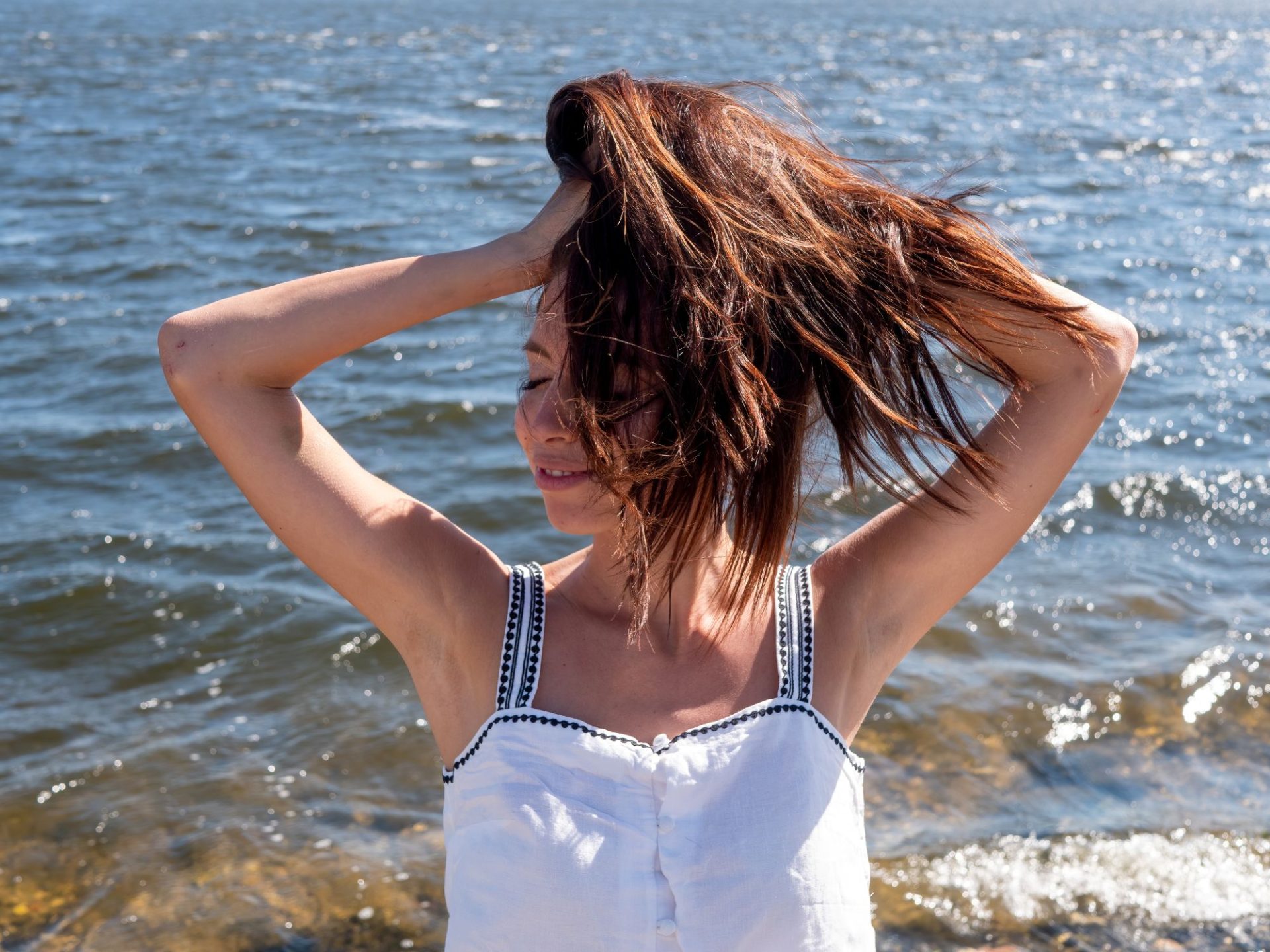
How to Support Healthy Hair Growth This Summer
A few adjustments to your routine can help you maximize your hair’s natural growth during the summer:
- Wear UV protection. Apply leave-in products containing UV filters, or wear a hat when outdoors for long periods.
- Rinse after swimming. Take the time to wet your hair with clean water before going into a pool or ocean, and shampoo after to wash away chlorine and salt.
- Deep condition weekly. During the summer months, heat causes moisture to escape from hair more quickly, which is why a weekly deep-conditioning treatment is recommended to keep hair elastic and minimize breakage.
- Trim regularly. Removing split ends every 8-10 weeks will prevent damage from working its way up the hair shaft and reverse your growth.
- Stay hydrated. Water intake affects hair hydration from the inside out, and dehydration can make hair brittle and prone to breakage.
- Eat growth-supportive foods. Use protein, biotin-rich foods, and omega-3 fats to provide your follicles with the building blocks they need.
In addition to these essentials, try using lighter, water-based products in summer, when heavy styling products may be a burden. Heavy oils and creams can clog pores and cause heat and sweat to accumulate against the scalp, leading to irritation. Leave-in products and serums for warm weather are usually lightweight, absorb quickly, and won’t weigh hair down in humid weather.
Schlussfolgerung
Summer really does make hair grow faster, as the increased blood flow, vitamin D levels, and more follicles in the growth phase help to accelerate the process. However, growth is not the only indicator. During these months, protecting your hair from UV rays, chlorine, salt, and humidity is key to whether you see that growth as longer, healthier hair or as breakage at the ends. The key to summer is the right skincare routine, and with it, you can get the most out of the season.