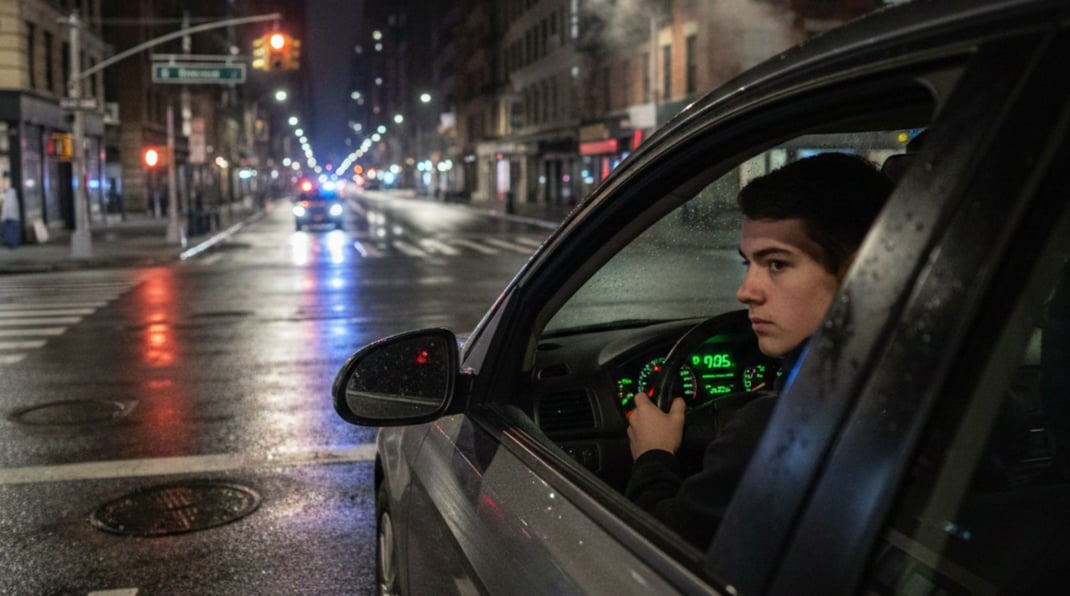

New York City is notoriously difficult to drive in, let alone for someone who just recently got their hands on a set of keys. The constant noise and aggressive traffic patterns create a high-pressure environment that tests the nerves of even the most experienced motorists. Every intersection requires a level of awareness that is hard to develop without years spent behind the wheel.
The state handles this through a multi-phase licensing system that eases younger residents into driving. This gradual approach allows them to learn the ropes during daylight hours when visibility is high and hazards are easier to spot. It is a necessary safeguard for a city that never stops moving and offers very little room for error during the commute.
দ্য legal requirements for teen drivers in New York City are intended to minimize the dangers linked to inexperienced driving. These rules create a protective bubble around new drivers, ensuring they do not take on more than they can handle during their first few years on the road. Navigating these requirements is a vital part of the journey toward becoming a fully licensed adult.
The Restricted Hours of the Junior License
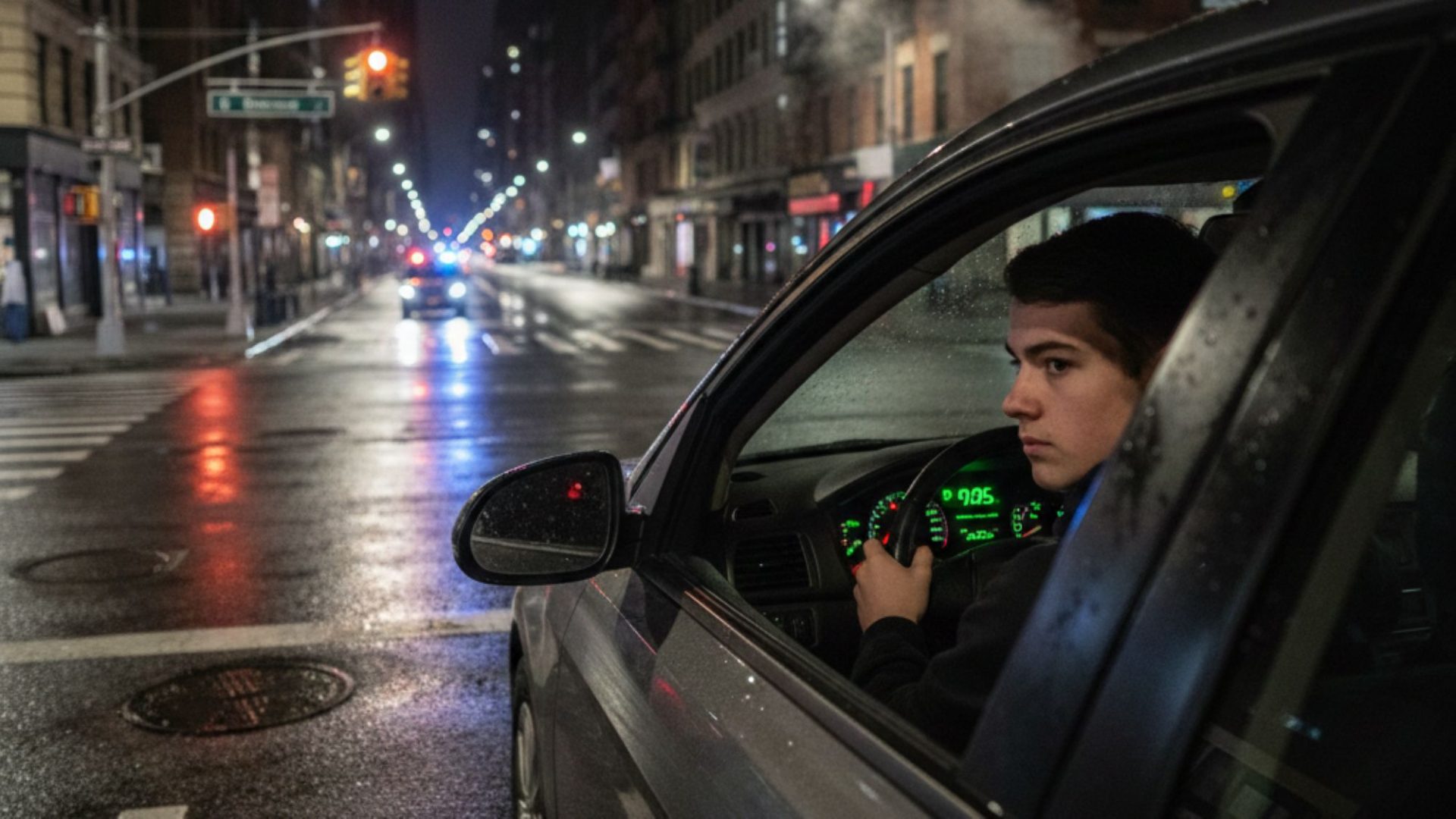
The transition from a learner permit to a junior license comes with a set of time-based restrictions that can be quite jarring for social teenagers. In the five boroughs, the rules are significantly more restrictive than they are upstate, reflecting the higher density of the urban environment. Young drivers are essentially barred from the road during the most dangerous hours of the night.
Between nine at night and five in the morning, a junior license holder is generally not permitted to be behind the wheel at all. This curfew is based on data showing that most serious accidents involving young people occur during these late hours. The goal is to keep inexperienced operators off the streets when visibility is low, and the risk of encountering impaired drivers is highest.
Violating these hours can lead to an immediate suspension of driving privileges before the teenager even has a chance to earn their full license. Exceptions are rare and usually only apply to documented work or school activities that require travel during those times. For most, the nine o’clock hour marks the absolute end of their mobility for the evening to ensure public safety.
Managing the Social Distraction of Peers
One of the biggest hazards for a new driver is having friends in the car who can be a constant source of distraction. The legal system addresses this by placing strict limits on how many non-family passengers a junior driver can carry. Reducing the number of people in the vehicle helps the operator stay focused on the complex task of navigating city streets.
Teenagers are often susceptible to social pressure that encourages them to take risks they would otherwise avoid. By limiting passengers to one person under twenty-one, the law effectively removes the party atmosphere that can lead to reckless behavior. It forces the driver to maintain their concentration on the pavement rather than on conversations in the back seat of the car.
These limits remain in place until the driver graduates to a full Class D license at age 18. Parents are expected to enforce these rules at home, but police will not hesitate to issue a citation if they spot a car full of teens. Keeping the cabin quiet and focused is one of the most effective ways to prevent a tragic collision in a busy area.
The Strict Reality of Zero Tolerance
New York maintains a zero-tolerance policy for drivers under the legal drinking age who are found with any amount of alcohol in their system. While an adult might be allowed a tiny margin, a teenager can lose their license for a blood alcohol content as low as point zero two. This tiny amount is often the result of just a single drink or even some types of medicine.
The penalties for a violation are swift and can derail a young person’s future plans before they even start. A first offense often results in a six-month license suspension and a heavy civil penalty payable to the state. These measures are meant to send a clear message that mixing any intoxicating substance with a vehicle is a non-negotiable error.
Repeat offenders face even harsher consequences, including the permanent revocation of their driving endorsement. The state takes the stance that if a young person cannot follow the most basic safety rules, they should not be trusted with a vehicle. This uncompromising approach has significantly reduced the number of alcohol related fatalities among younger drivers over the last several decades.
The Legal Burden Placed on Parents
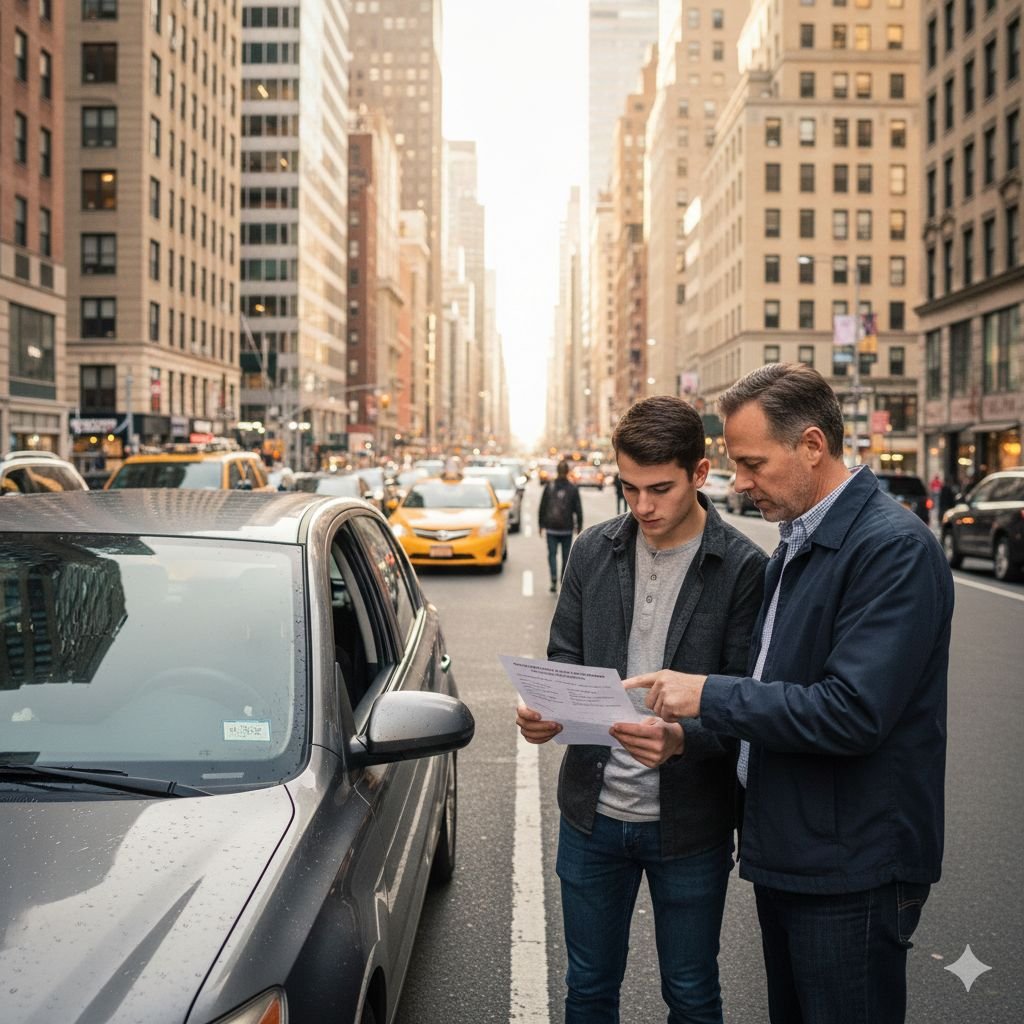
When a teenager is involved in a crash, the legal and financial responsibility often extends directly to the parents or guardians. Because the minor is typically driving a vehicle owned by the parents, the adults can be held liable for any damages caused by the child. Negligent entrustment means the car owner is responsible for who they allow to use it.
Insurance rates for a household will skyrocket if a teen driver is found at fault for a serious accident or a major violation. Many providers will even drop the entire family policy if the risks become too high, leaving the parents to search for expensive high-risk coverage. The financial impact of a teenager’s poor decision can linger on the family bank account for many years.
Parents must also realize that they can be sued in civil court if their child injures another person. The legal system views the parent as the party with the assets and the ultimate control over the situation. This creates a strong incentive for mothers and fathers to maintain high vigilance and set clear boundaries for their children.
উপসংহার
The urban jungle of the five boroughs requires a higher level of parental and legal vigilance than quieter suburban areas. There is no such thing as a minor mistake when you are navigating a landscape filled with thousands of pedestrians and cyclists. Every decision made behind the wheel can alter the course of multiple lives in an instant.
Following the graduated licensing rules is the only way to ensure that a young person develops the skills they need to survive the road. These laws are not meant to be an annoyance, but a structured path toward a lifetime of safe and responsible driving. Respecting the process allows a teenager to earn the freedom of the road without taking unnecessary risks.
Ultimately, the goal of these restrictions is to turn every new driver into a knowledgeable and cautious veteran of the streets. It takes time, patience, and a willingness to follow the rules even when they seem inconvenient or overly strict. Staying safe today means having the opportunity to enjoy the open road for many more years to come.