
Bottega Veneta’s Winter 2026 campaign – a meditation on distance, proximity, and the many ways a single collection can be seen
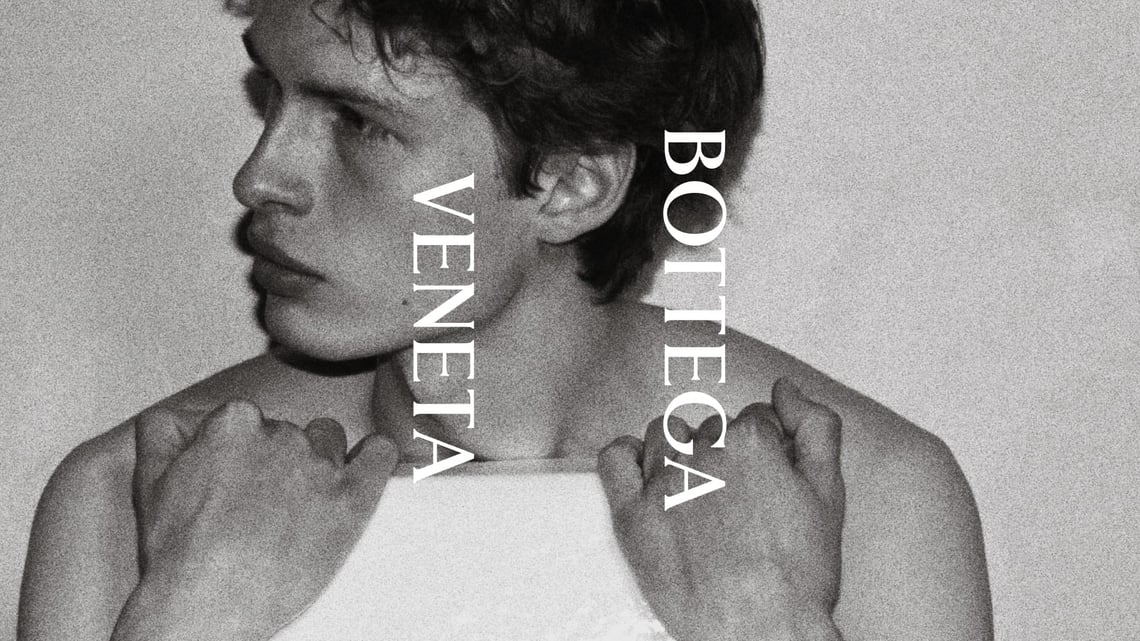
There is a moment in the Bottega Veneta Winter 2026 campaign when the human figure simply disappears. Not dramatically – there is no exit staged, no narrative pause. One frame gives you a body, the next gives you almost nothing but an ear and an earring, and somewhere in between the camera has drifted away from people entirely, settling instead on a fringed red bag, a woven shoe, a gold clutch. It feels at first like inconsistency, like a campaign that cannot decide what it is looking at. Then the rest of the project arrives, and you understand: that restlessness is the point.
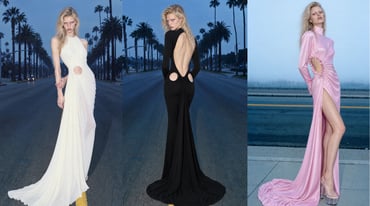
For her second collection as Creative Director of Bottega Veneta, Louise Trotter did something quietly radical for a House of this scale. Rather than commissioning one photographer to stamp a single, monolithic image of the brand onto the season, she handed Winter 2026 to eight of them – Chris Rhodes, Cristina Stohle, James Ari King, Kira Bunse, Nicole Maria Winkler, Piotr Niepsuj, Rosie Harriet Ellis, and Sam Penn – and let each decide how close, how far, and occasionally how sideways we would be invited to look. The result is less a campaign with a single point of view than an argument for having several. In an industry forever in search of the perfect image, Bottega Veneta rather charmingly suggests there may be no such thing.
The Ruskin Principle
The campaign opens with an unusually apt proposition from John Ruskin, the Victorian critic who spent a lifetime insisting that looking closely could reveal the truth of objects and their makers: “For every distance from the eye there is a peculiar kind of beauty.”
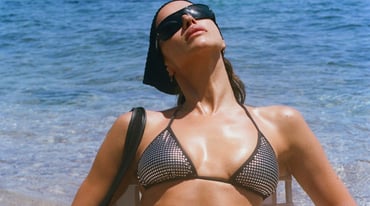
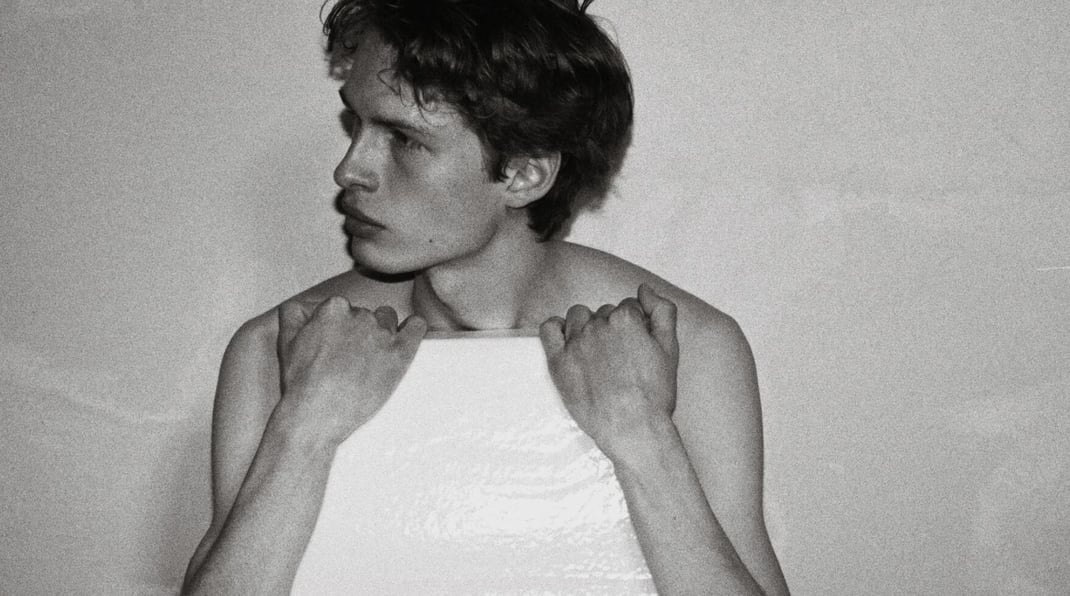
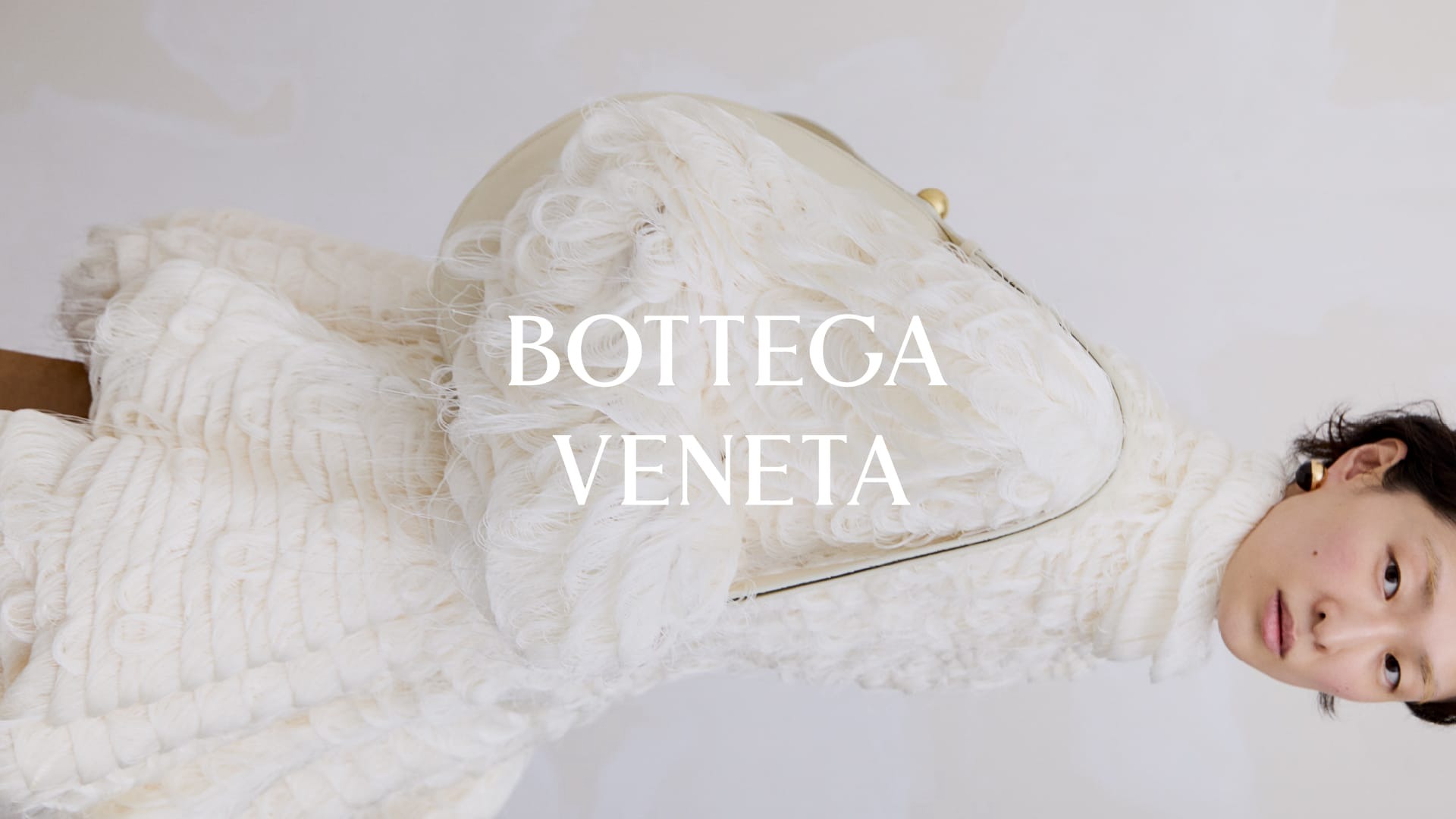
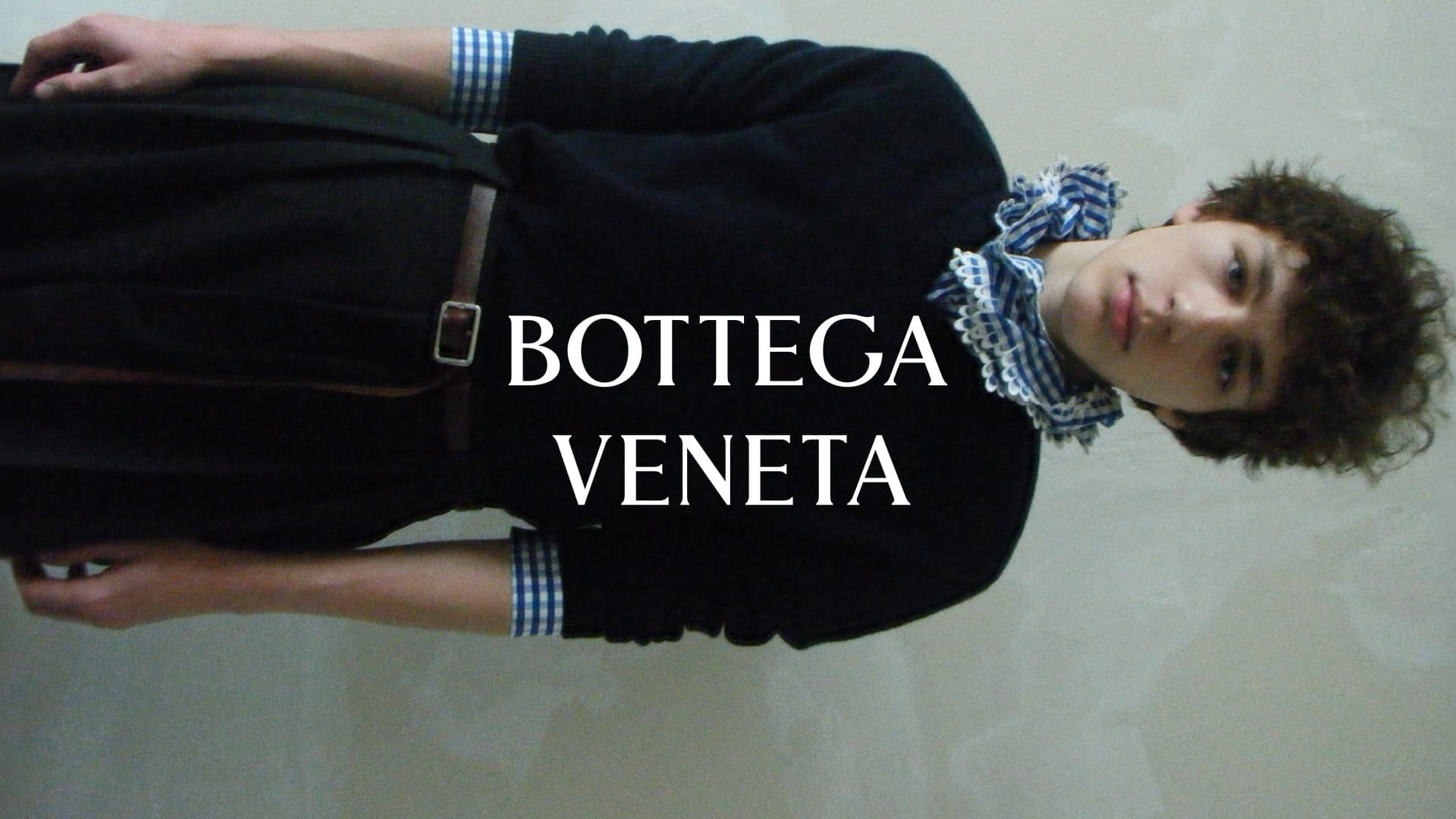
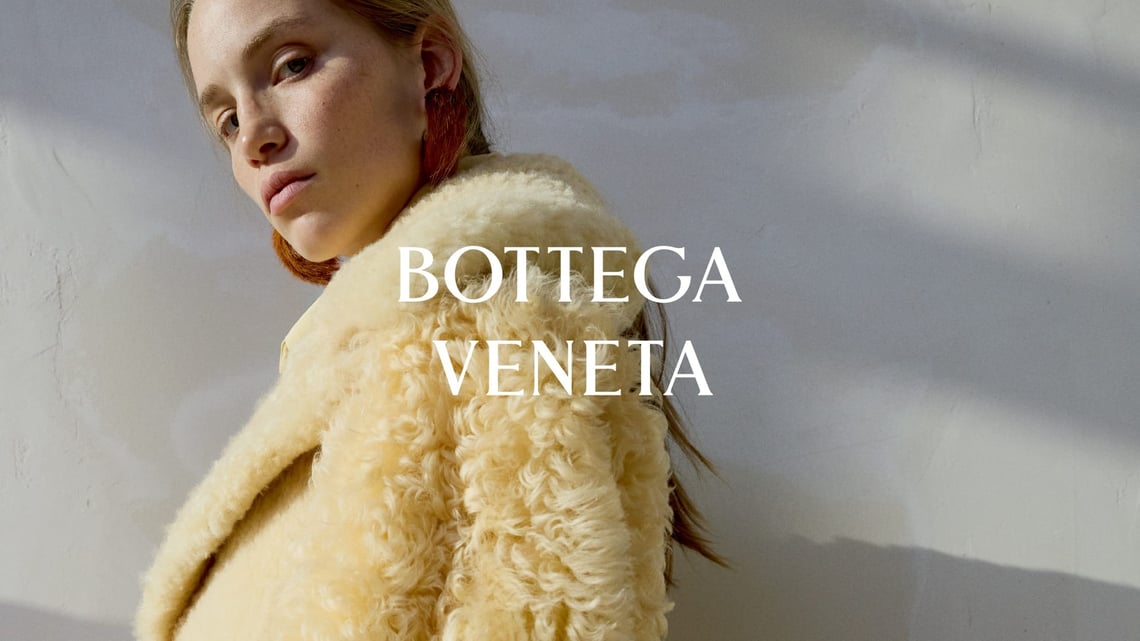
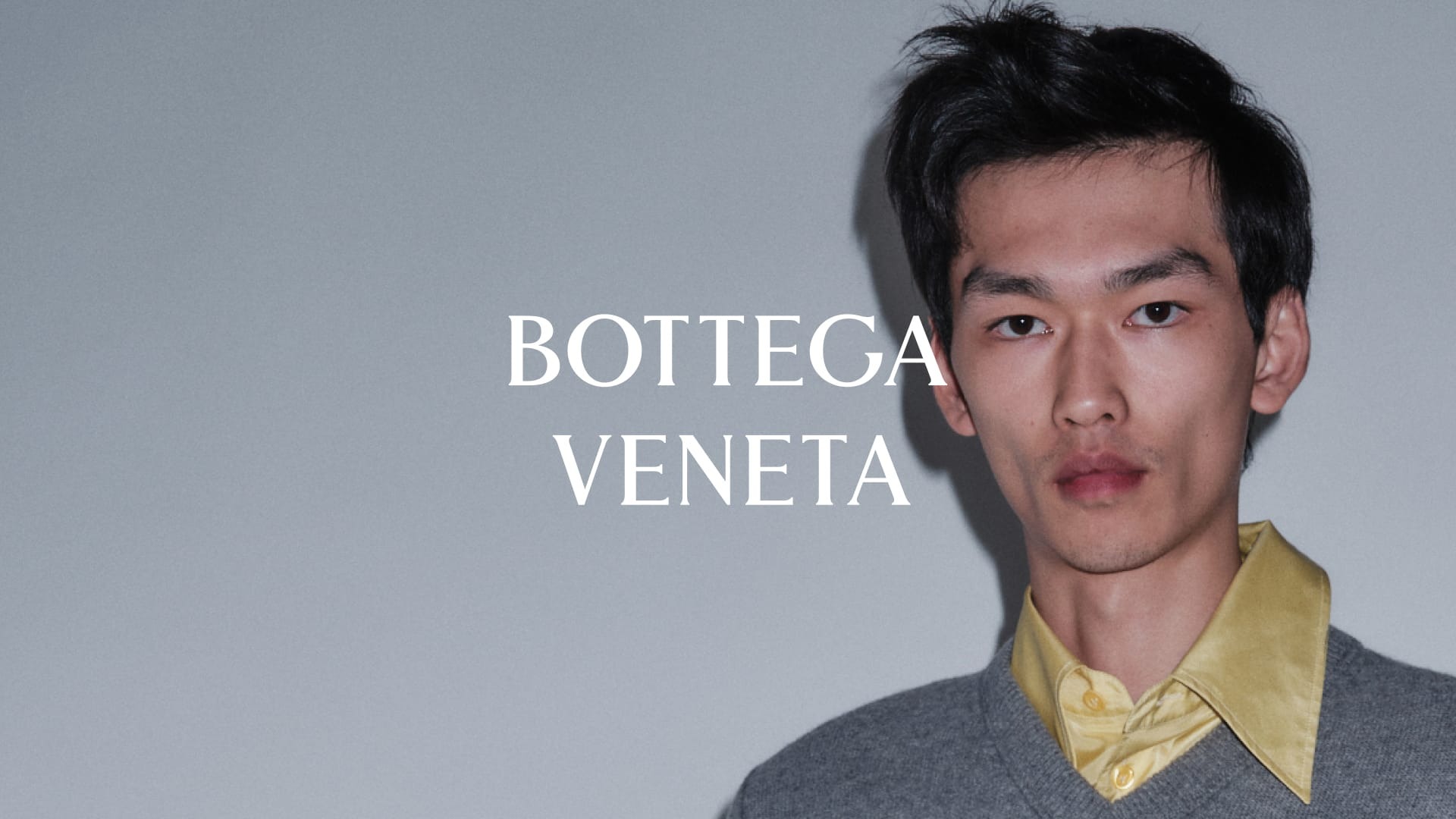
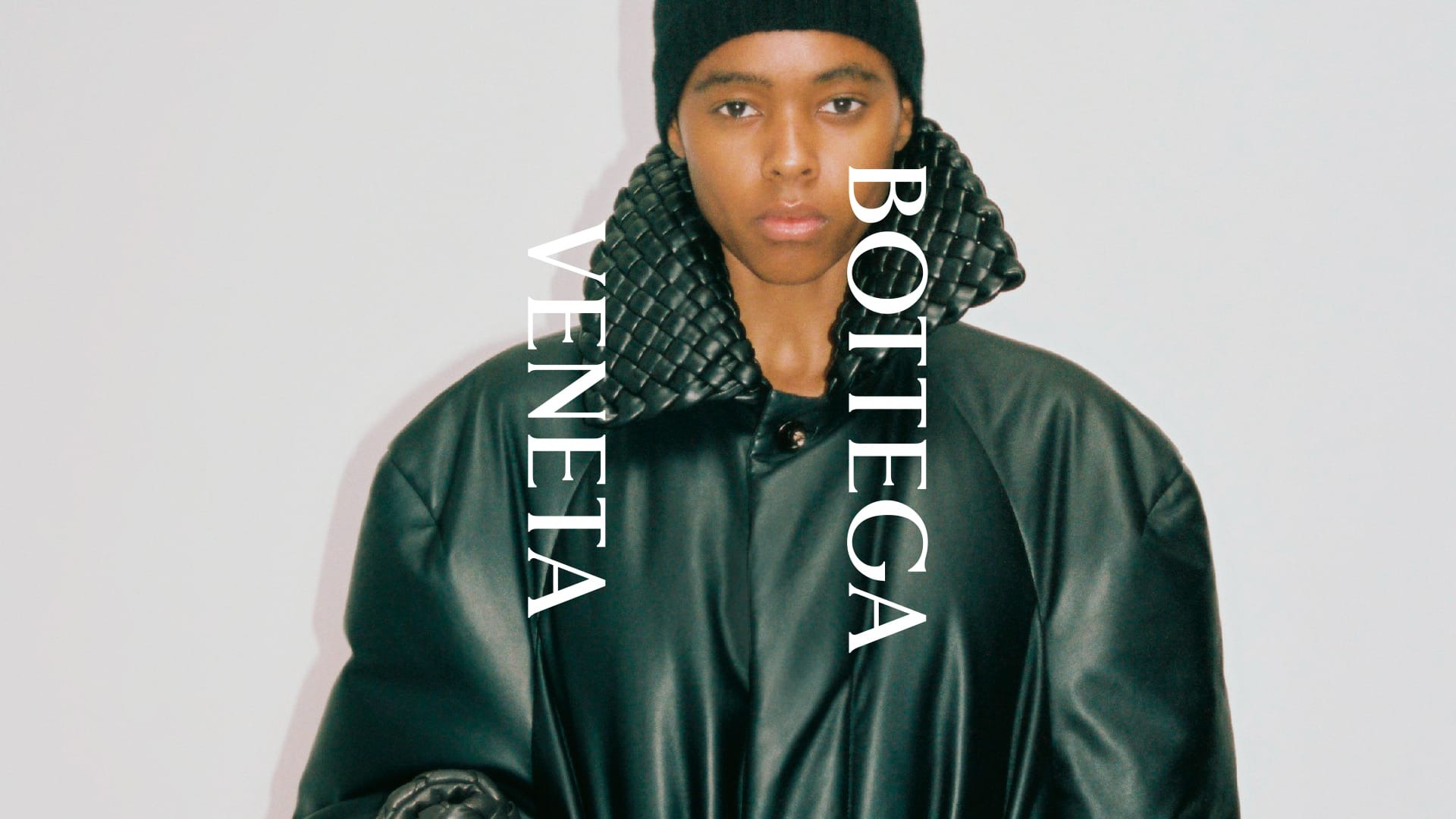
Trotter’s Bottega Veneta takes the line almost literally. Shot across eight days in February and gathered into the House’s evolving Zine 002, the project shifts restlessly between portraiture, abstraction, still life, and something closer to visual field notes. A face surfaces through grain. Elsewhere, a body is rotated ninety degrees, unmoored from the upright conventions of fashion photography. Models pose against almost aggressively ordinary walls – the plain backdrop of daily life rather than the fantasy of a set – while in the same breath, flash renders skin, tailoring, and jewelry with forensic immediacy. What initially reads as a failure to cohere slowly reveals itself as method. Every photographer is looking at the same collection. None of them is required to see the same thing.
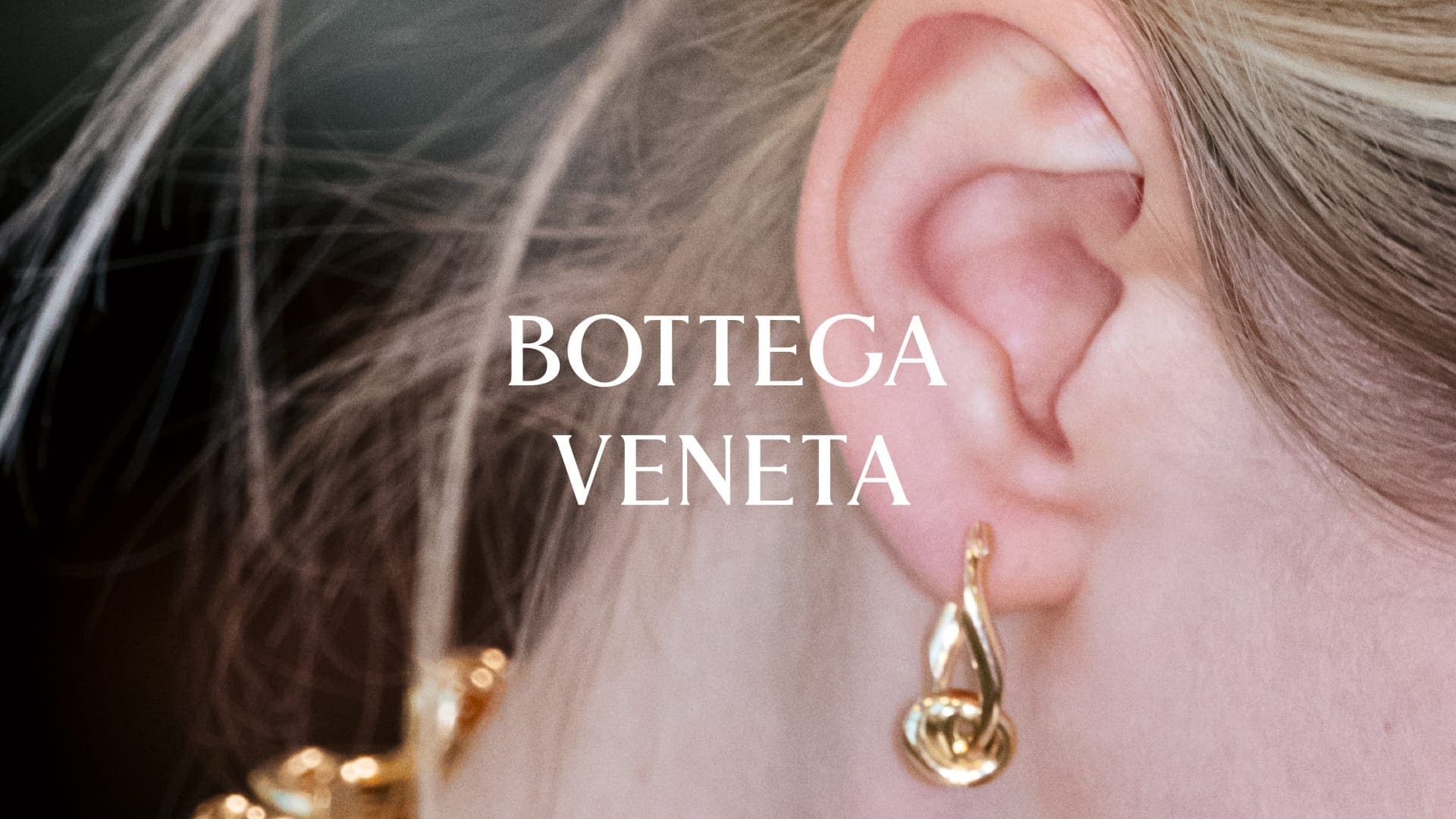
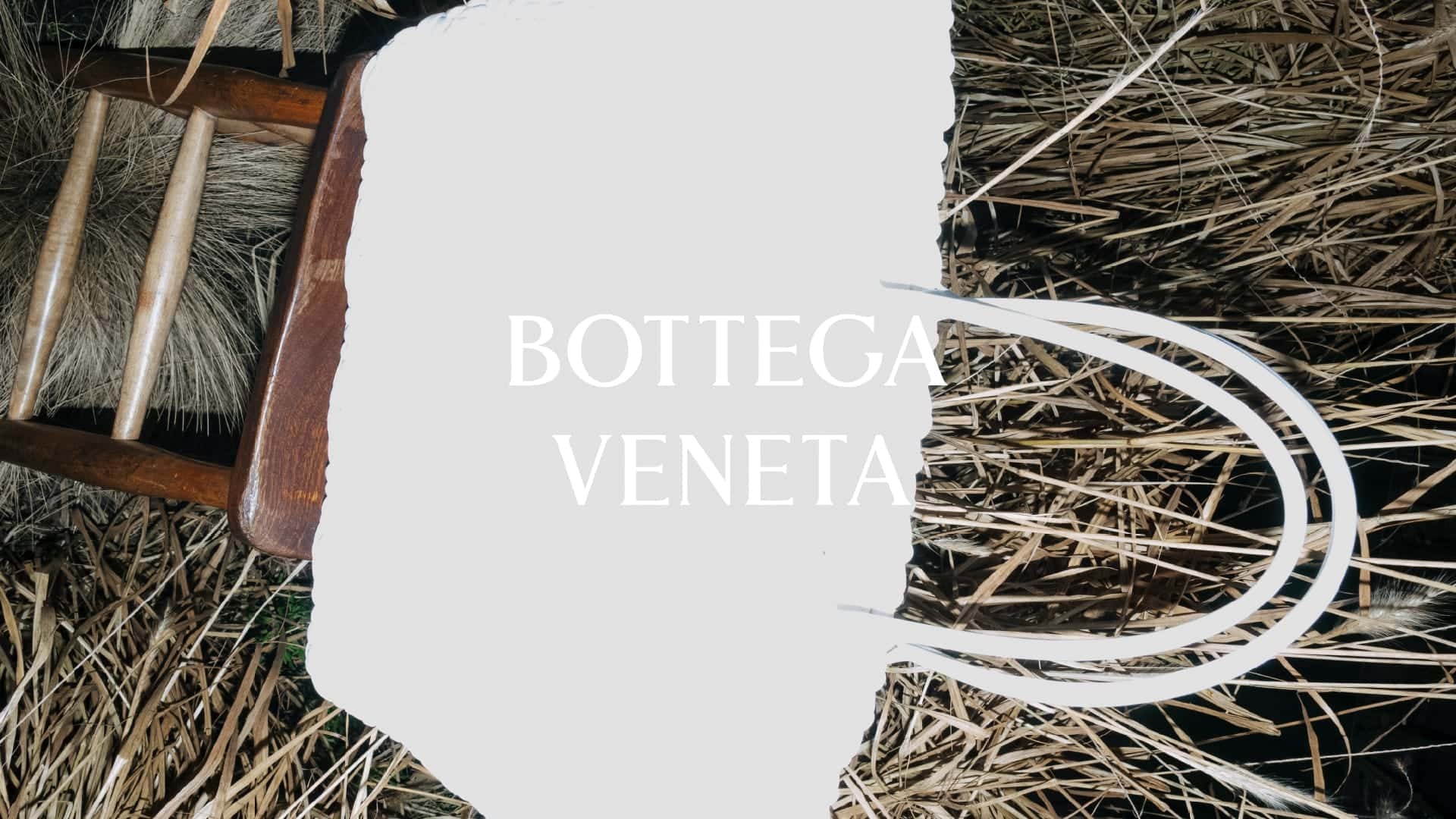
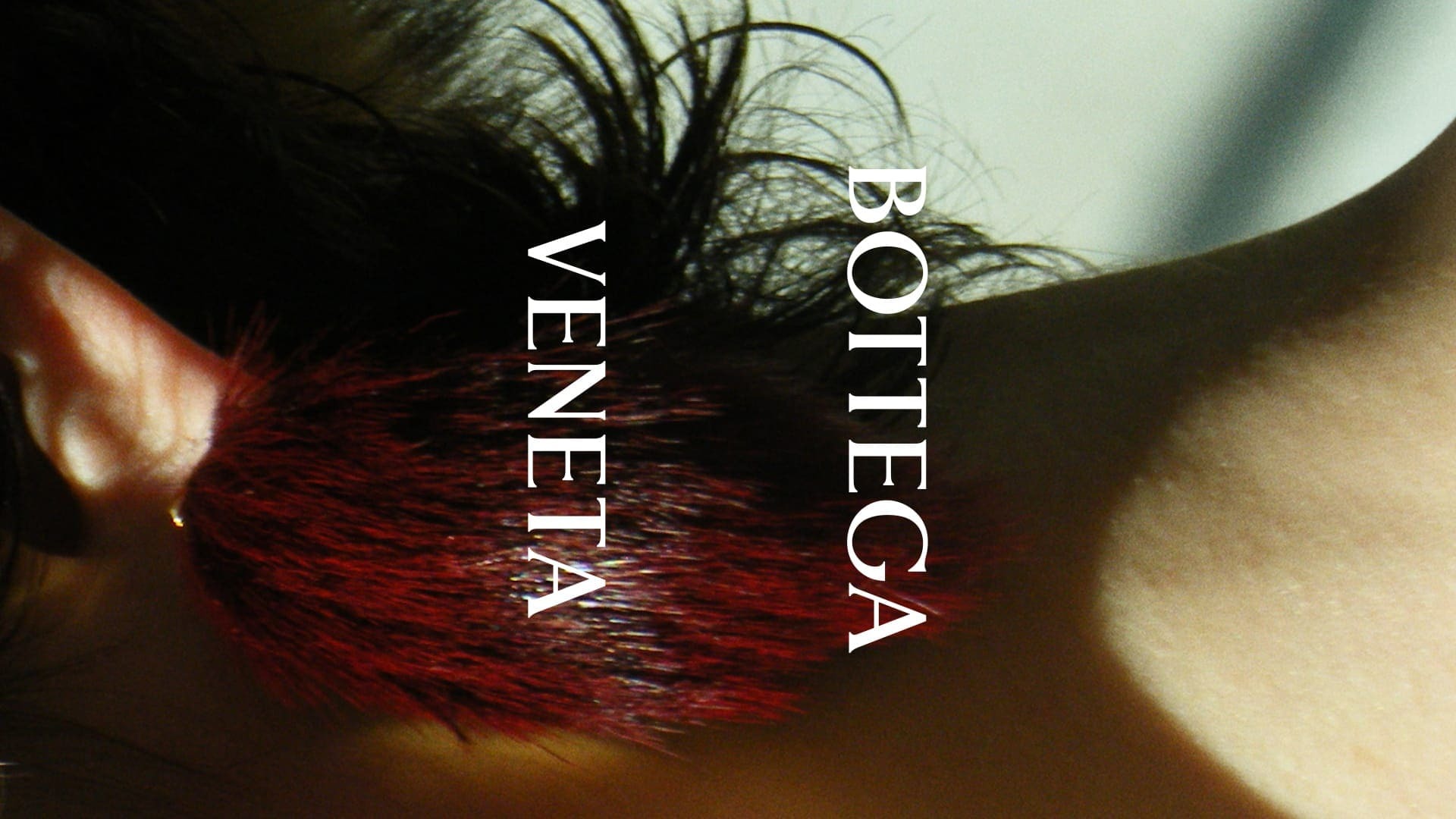
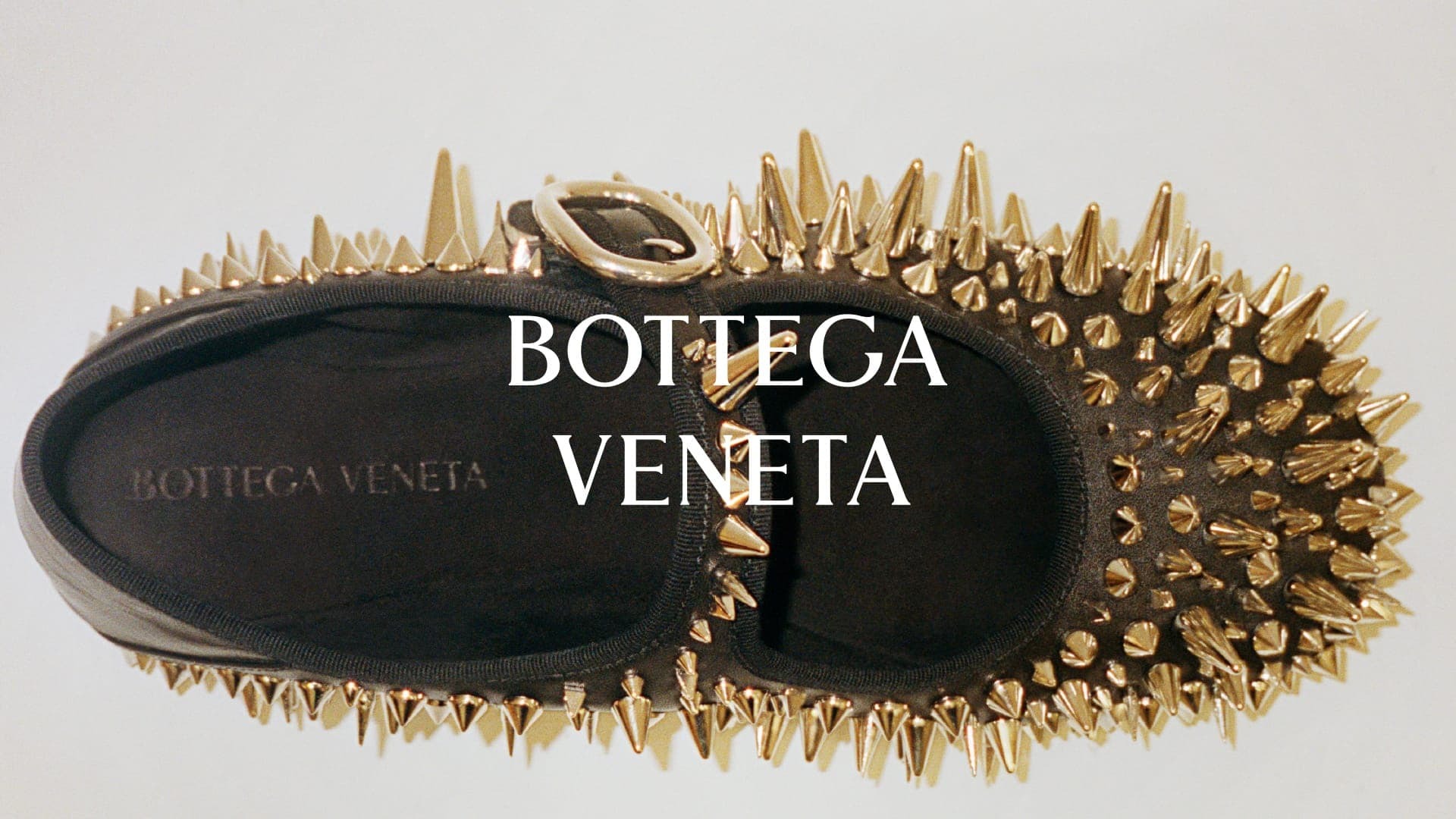
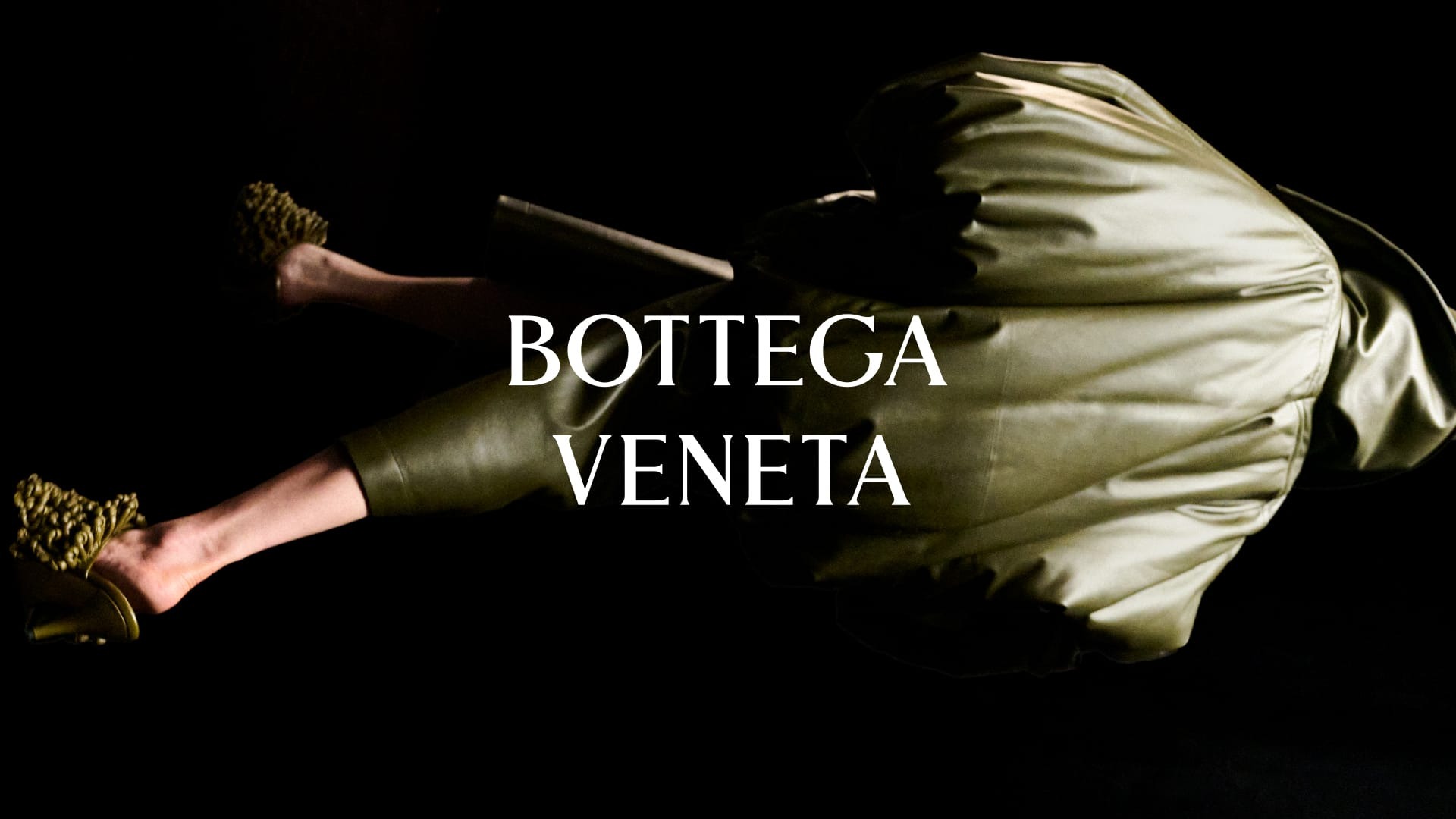
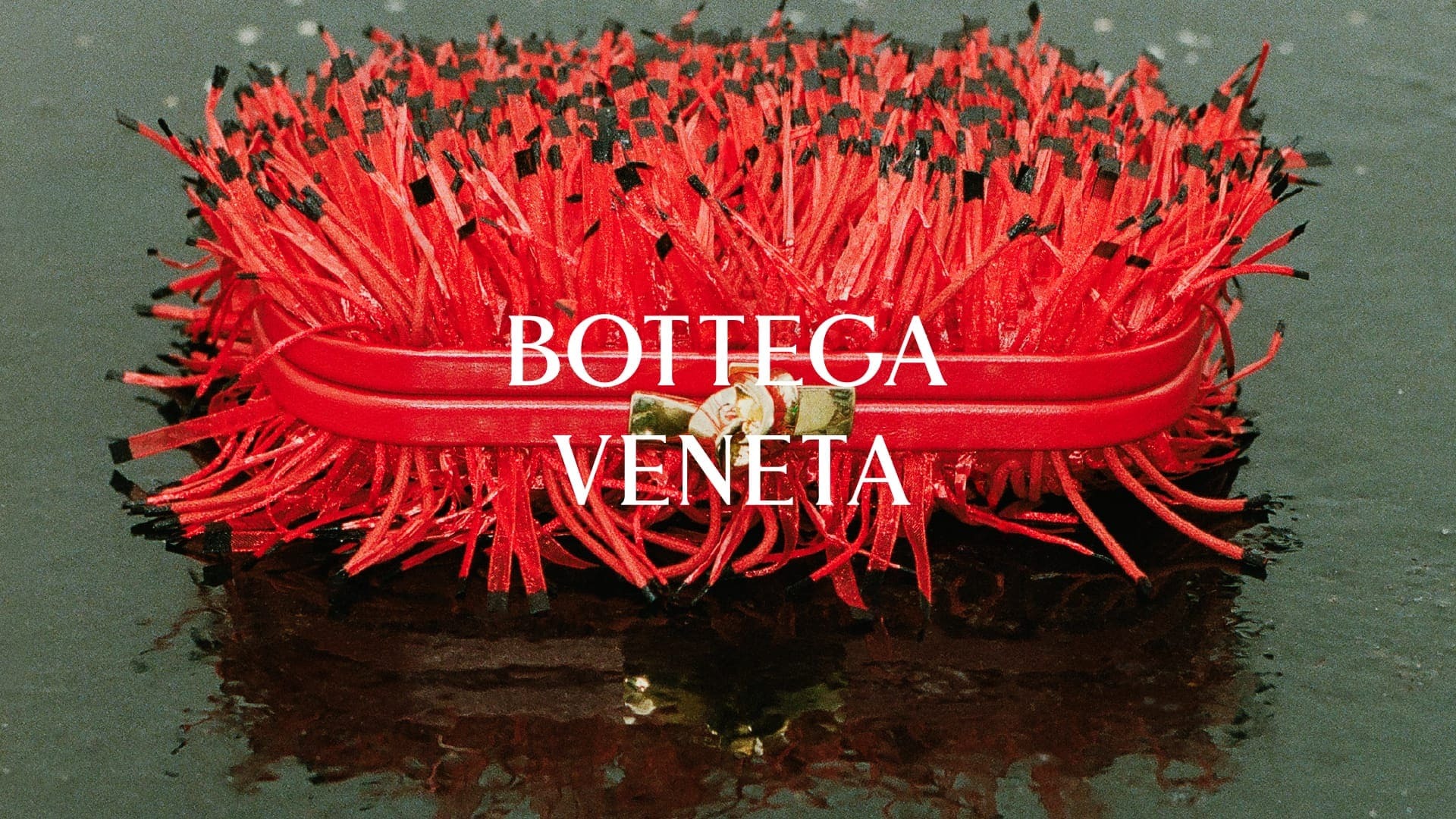
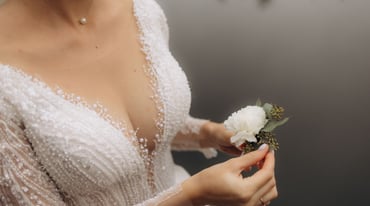
That multiplicity lands because Winter 2026 rewards changes in viewing distance. Stand back, and Trotter’s silhouettes register through proportion and volume: generous tailoring, enveloping leather, elongated shapes, clothes that appear to carry their own atmosphere around the body. Step closer, and the collection becomes something else entirely. Fibers fray. Leather interlaces. Surfaces ripple, and fringe proliferates. Jewelry stops being an accessory and assumes the visual importance of sculpture – in one photograph, a necklace against black tailoring becomes a composition all its own. This is the deeper intelligence of the project: it understands something fundamental about Bottega Veneta, that its luxury is often most persuasive precisely when proximity reveals what distance conceals.
An Argument for Looking Several Times
This approach shows curatorial courage, particularly for a designer still early in defining her Bottega Veneta. Rather than forcing a photographic signature around a language still unfolding, Trotter permits interpretation. The photographers become observers, not technicians executing a predetermined visual formula. The recurring Bottega Veneta typography acts as connective tissue – the logo stays put while the world underneath it changes. It subtly inverts traditional campaign logic: consistency here comes from identity rather than sameness.
The strategy carries risk, and the campaign doesn’t pretend otherwise. Eight photographers can easily become eight campaigns sharing a press folder, and the jolt from cool digital precision to grain, stark flash, intimate cropping, and near-documentary portraiture can make the whole project feel less like advertising and more like a photographic journal. But that looseness is where much of its intelligence resides. Nothing is sanded down to manufacture cohesion. Difference is the organizing principle – which is why Zine 002 feels less like collateral attached to the campaign than its natural home. This is imagery meant to be accumulated, compared, revisited, read in sequence, like pages in a book you keep pulling off the shelf.
Making Looking Tactile
For a House synonymous with weaving, tactility has always been part of the seduction – which presents an obvious problem for photography. How do you photograph a pleasure that is so frequently physical? The strongest images in this campaign answer by making looking itself tactile. A pale woven bag pressed against a body makes leather feel almost soft enough to bruise. Exaggerated black fringe becomes landscape, an aerial terrain of thread. The red bag resembles some wonderfully unruly sea creature, alive and slightly defiant. Woven footwear is rendered as an object whose construction you instinctively want to inspect with your hands. The campaign never lets the experiment drift into intellectual exercise at the expense of the clothes; again and again, its most persuasive frames bring you back to material.
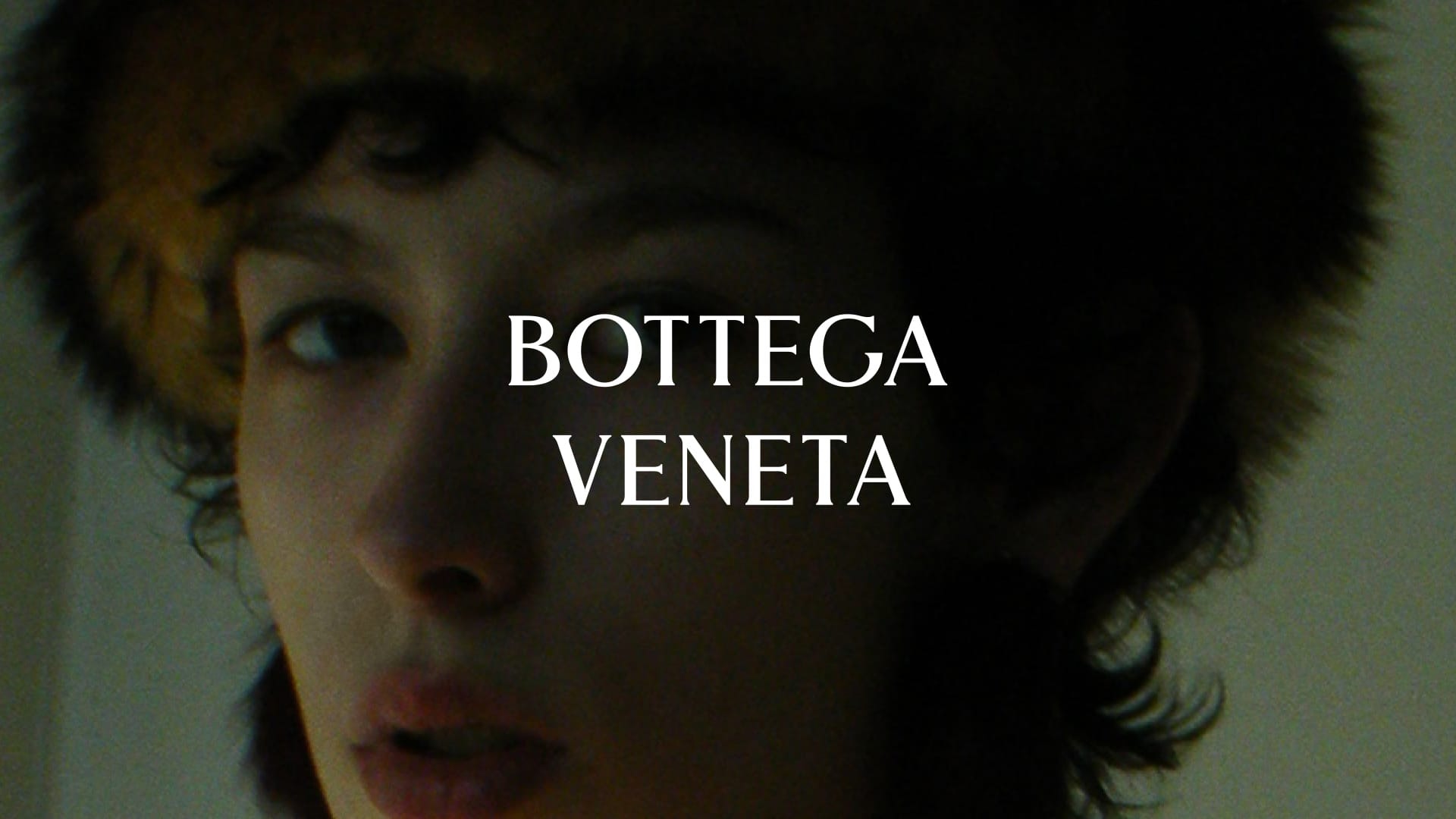
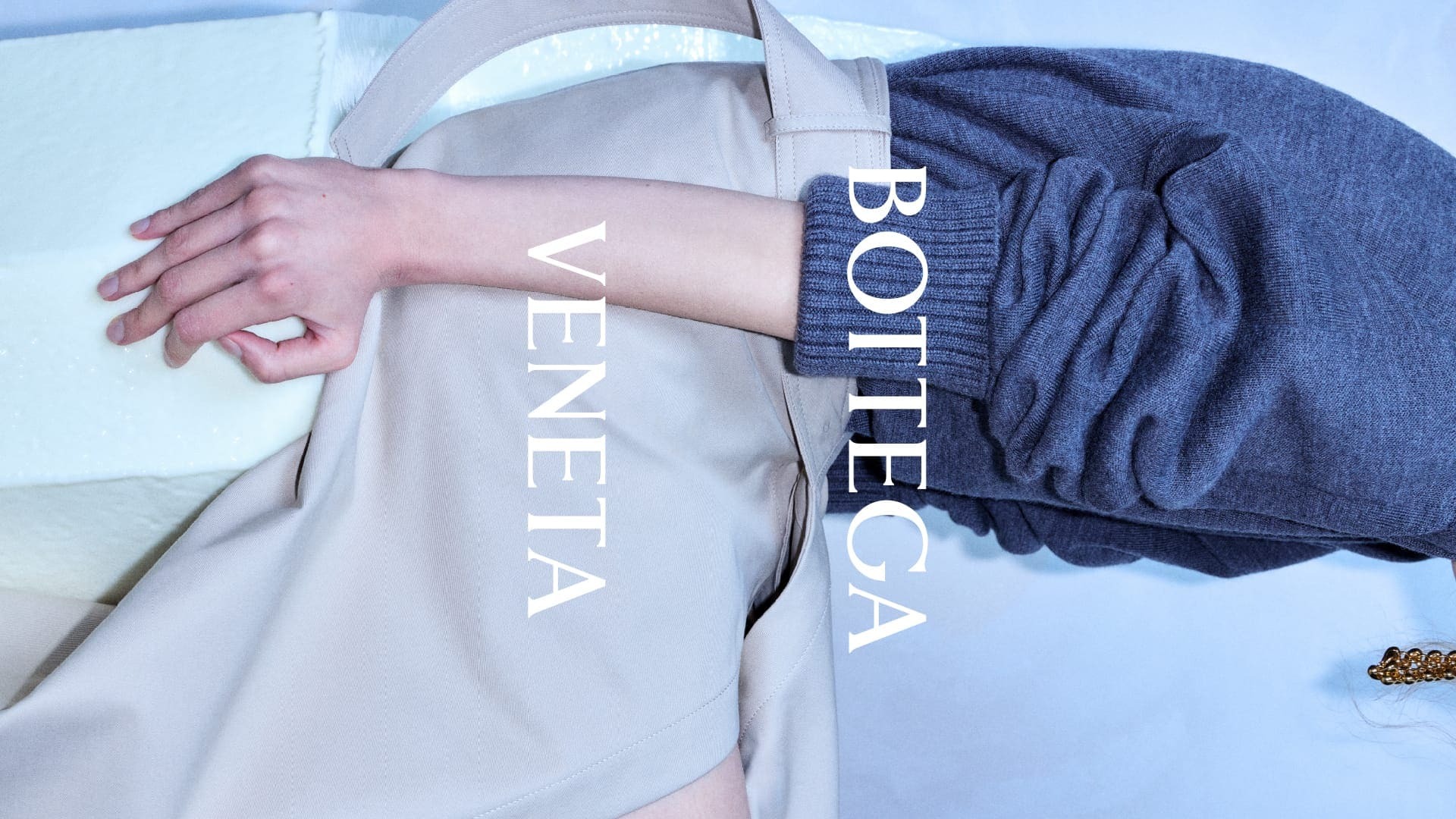
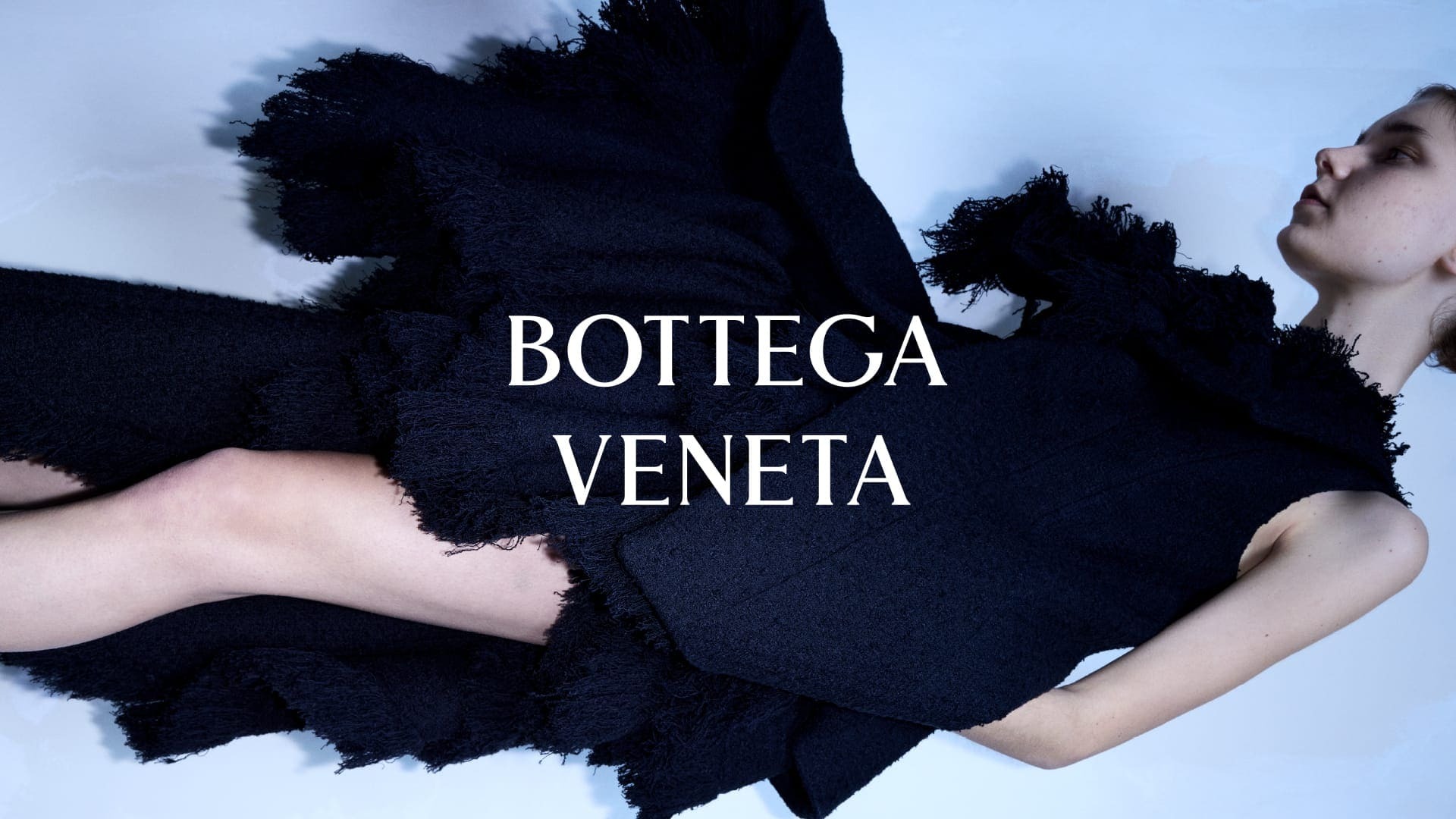
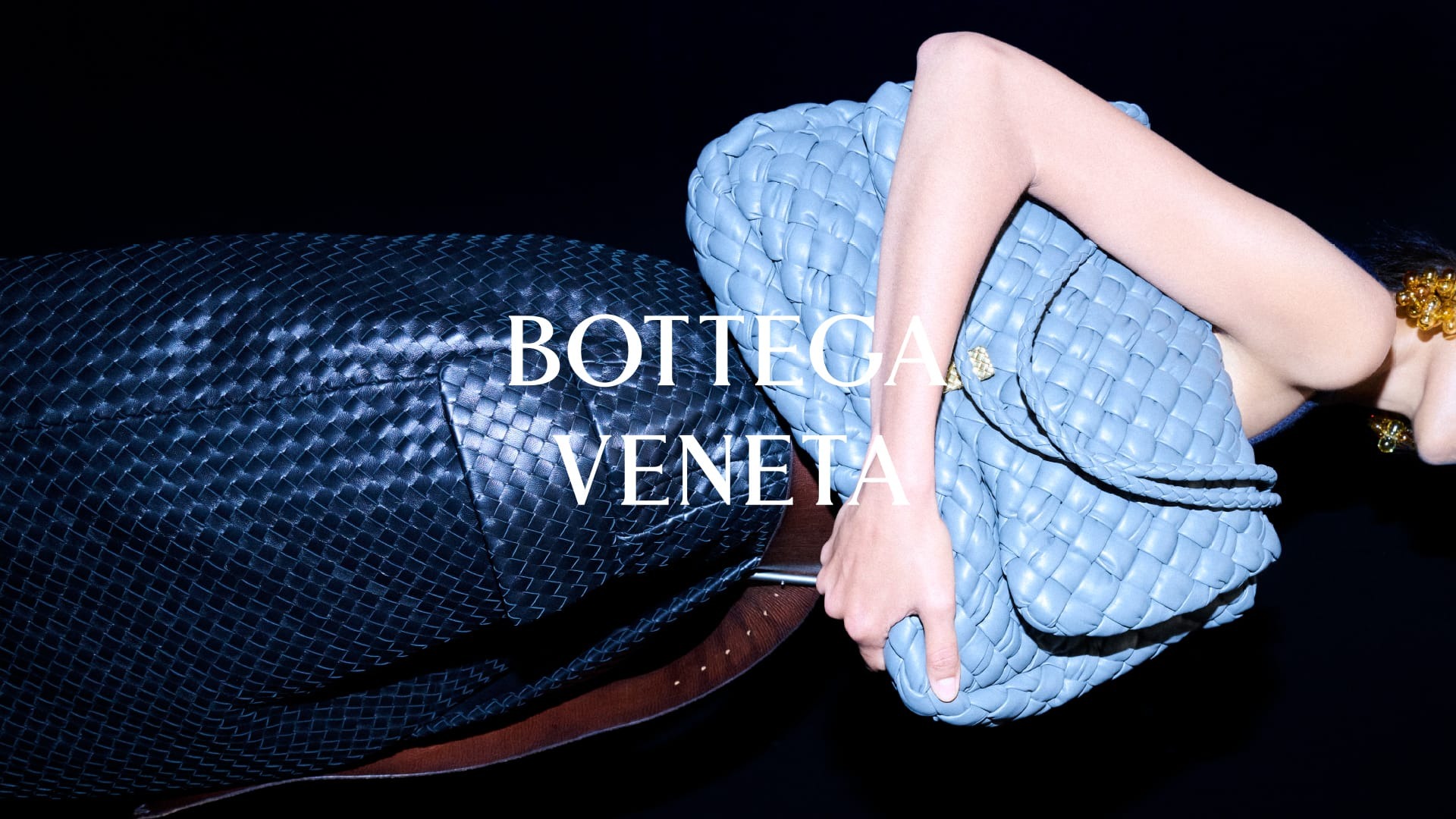
Ruskin – who believed that how you look at a thing changes what you find there – proves a surprisingly apt companion, and not merely as elegant literary garnish. The photographers make good on his words. Winter 2026 moves from person to garment, garment to detail, detail to object, and object almost into abstraction, then pulls you back again. It asks not simply, “What does Bottega Veneta look like?” but something stranger and more rewarding: “What happens when you change where you stand?”
Perhaps the cleverest thing of all is the fittingness of the metaphor. A House synonymous with weaving has built a campaign whose eight photographic voices behave like strands themselves – distinct, occasionally irregular, individually incomplete, but infinitely more interesting once brought together. Bottega Veneta has not produced one definitive Winter 2026 image. It has produced a reason to keep looking.
Ruskin would probably approve. The marketing department should too. And for the rest of us – the ones who love ফ্যাশন for what it reveals at every distance – the invitation is even simpler: come closer.
Bottega Veneta Winter 2026 Campaign credits
- Creative Director: Louise Trotter
- Photographers: Chris Rhodes, Cristina Stohle, James Ari King, Kira Bunse, Nicole Maria Winkler, Piotr Niepsuj, Rosie Harriet Ellis, Sam Penn
- Documented in: Zine 002
Images Courtesy of Bottega Veneta
অন্যান্য ব্র্যান্ড প্রচারণার খবরে, Givenchy’s Runway Cast Reunites in Croatia for Winter 2026 Campaign