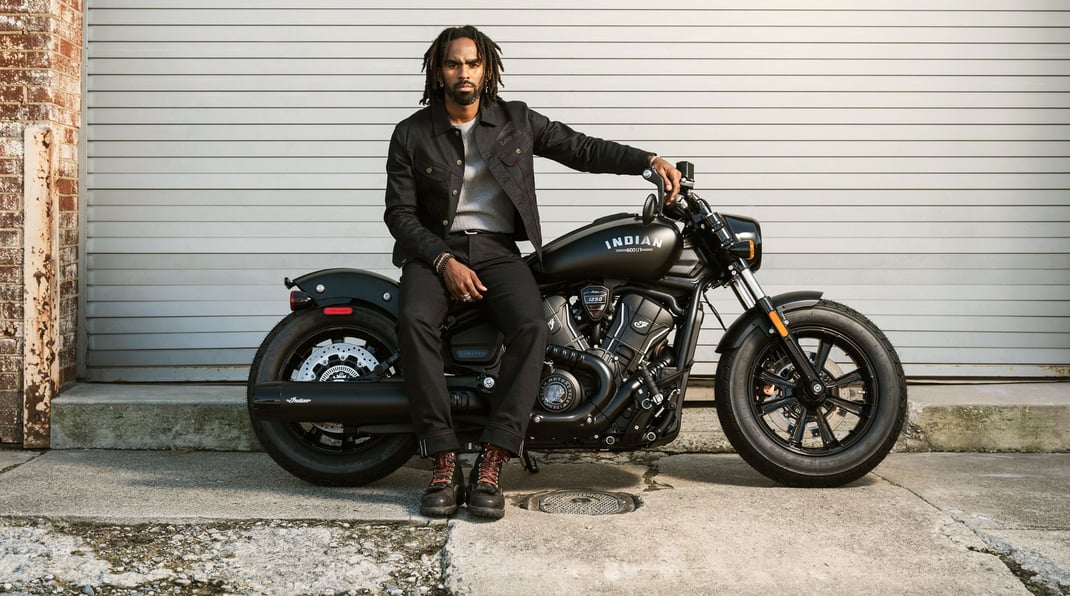

Lee 101 and Indian Motorcycle launched a menswear capsule Oct. 15, 2026, priced 279, built on the 101Z jean and Rider jacket in Candiani selvedge. It sells through Lee.com in the U.S. and Europe, Lee-owned retail in Europe, and one Los Angeles moto-culture venue. The launch lands mid-divestiture for Lee and inside Indian’s 125th anniversary.
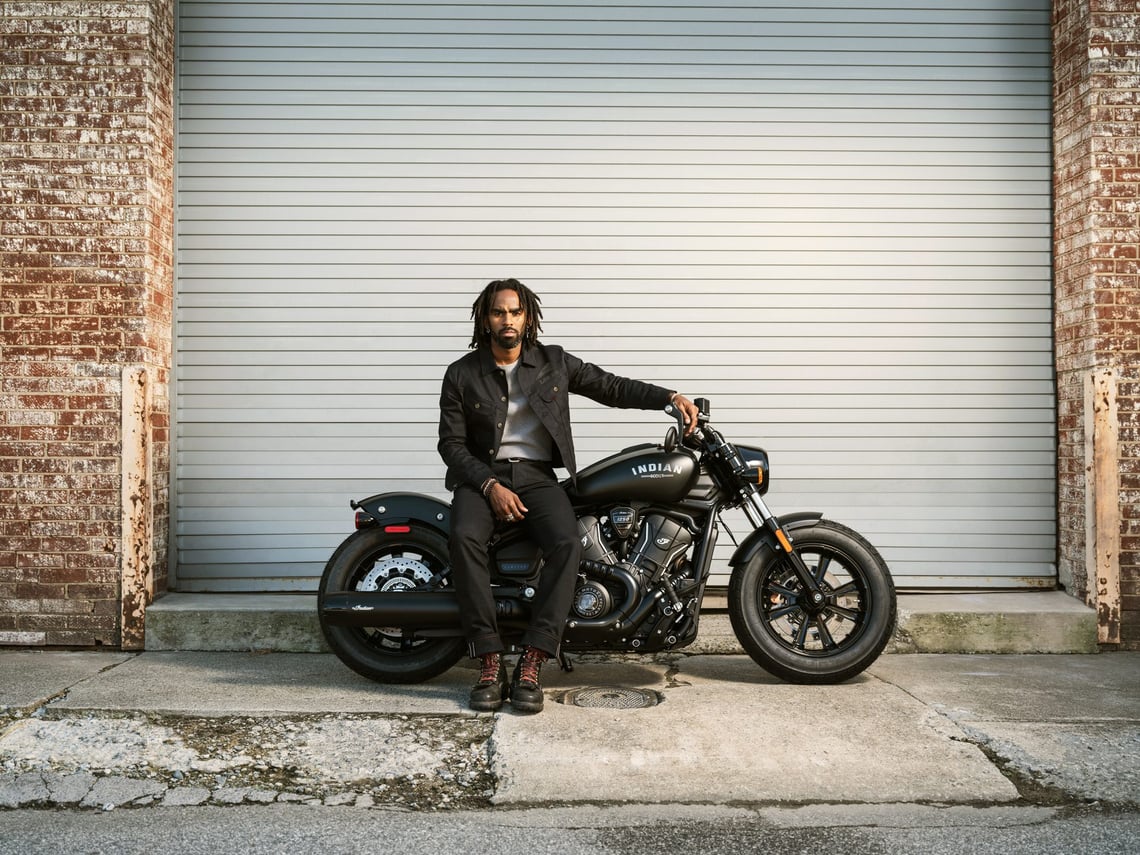
GREENSBORO, N.C. — Lee 101 put a menswear capsule with Indian Motorcycle on sale Oct. 15, priced from 279 and built on the brand’s 1924 cowboy jean and its 1948 Rider jacket, both cut in Italian selvedge denim from Candiani Mills. The two houses are marking separate clocks: Indian is running its 125th anniversary, and Lee is being sold. That timing is the story, because the archive is the one asset neither brand needs a factory to use.
The Archive, and the Price Ladder
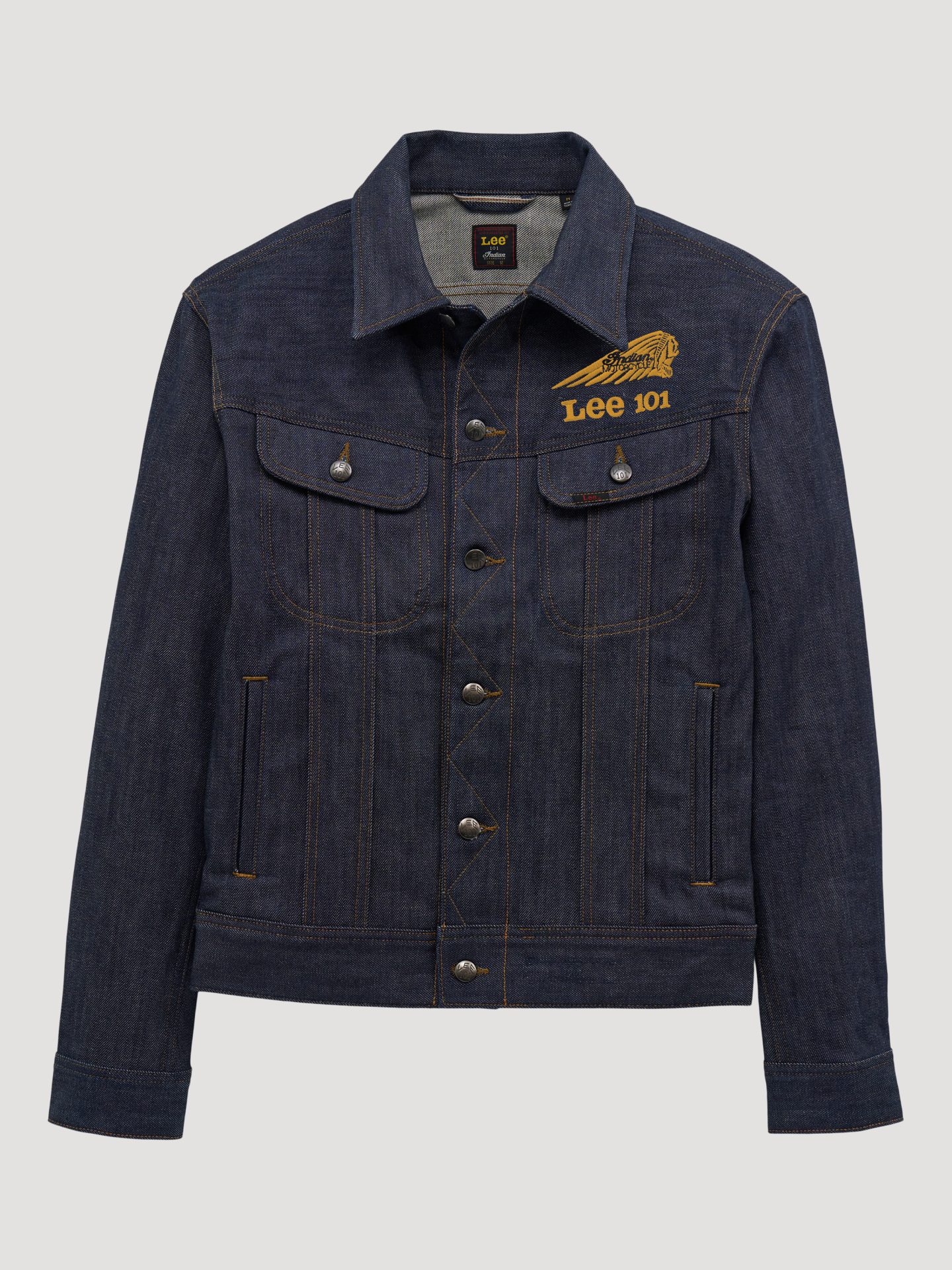
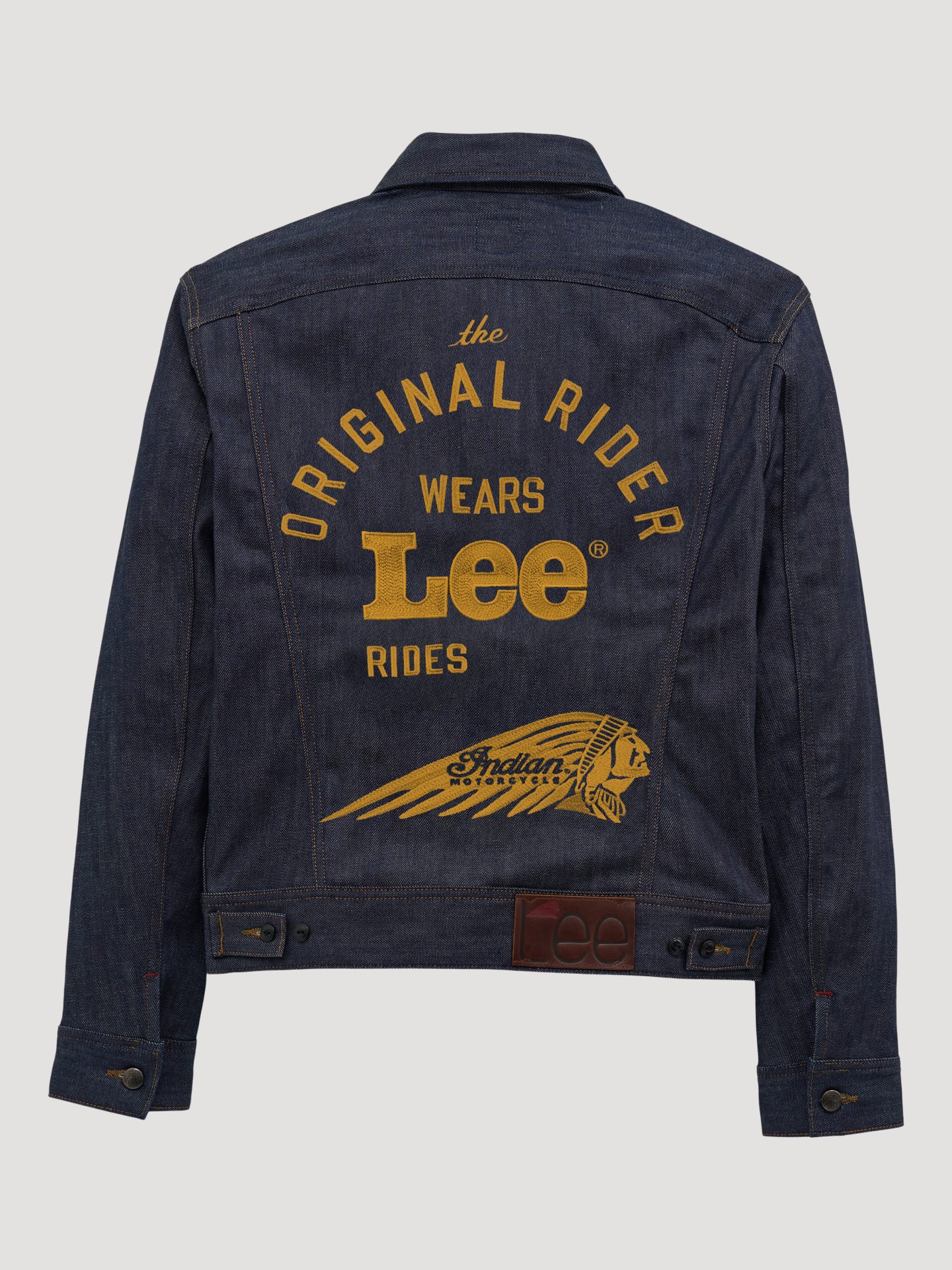
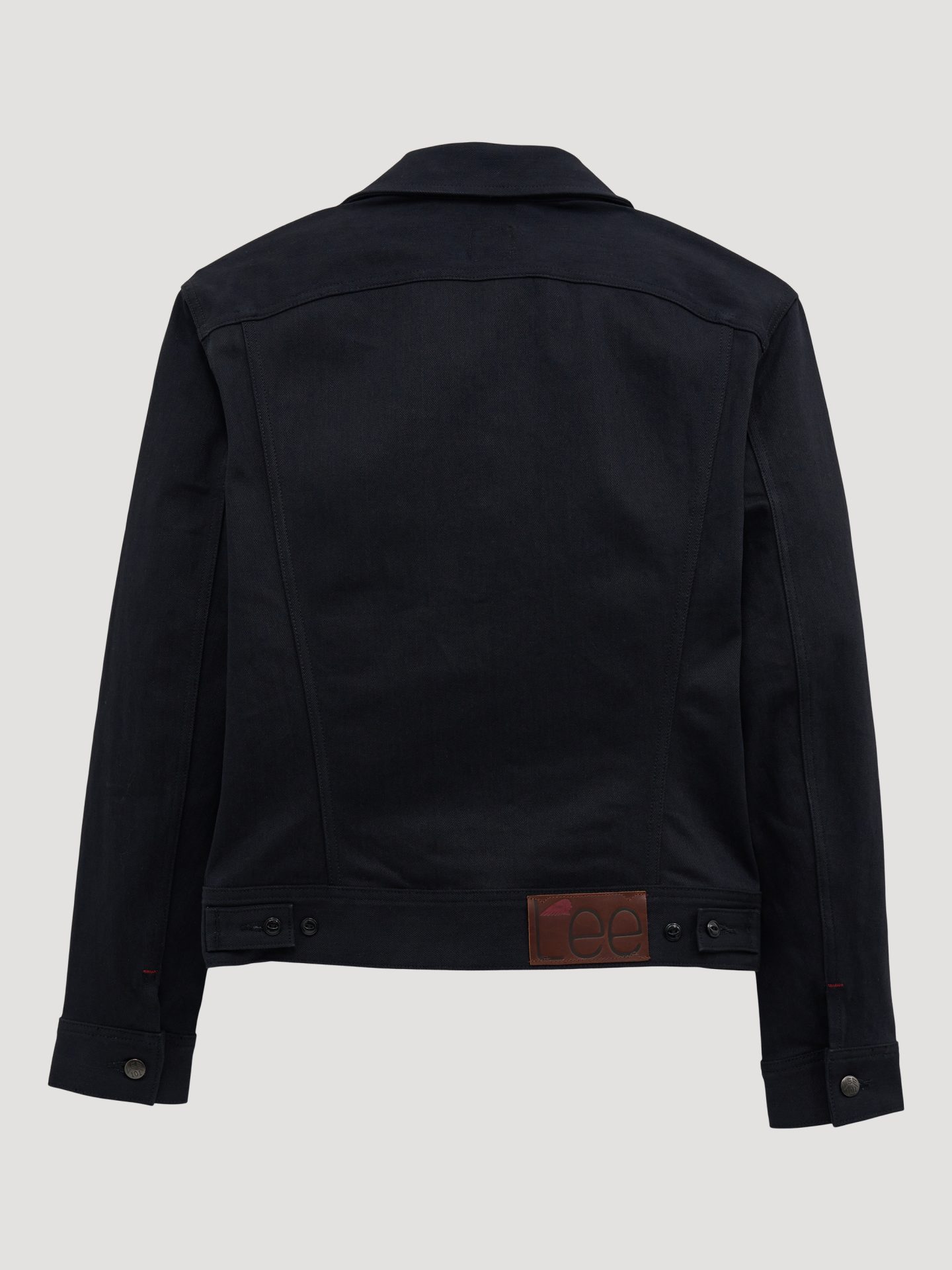
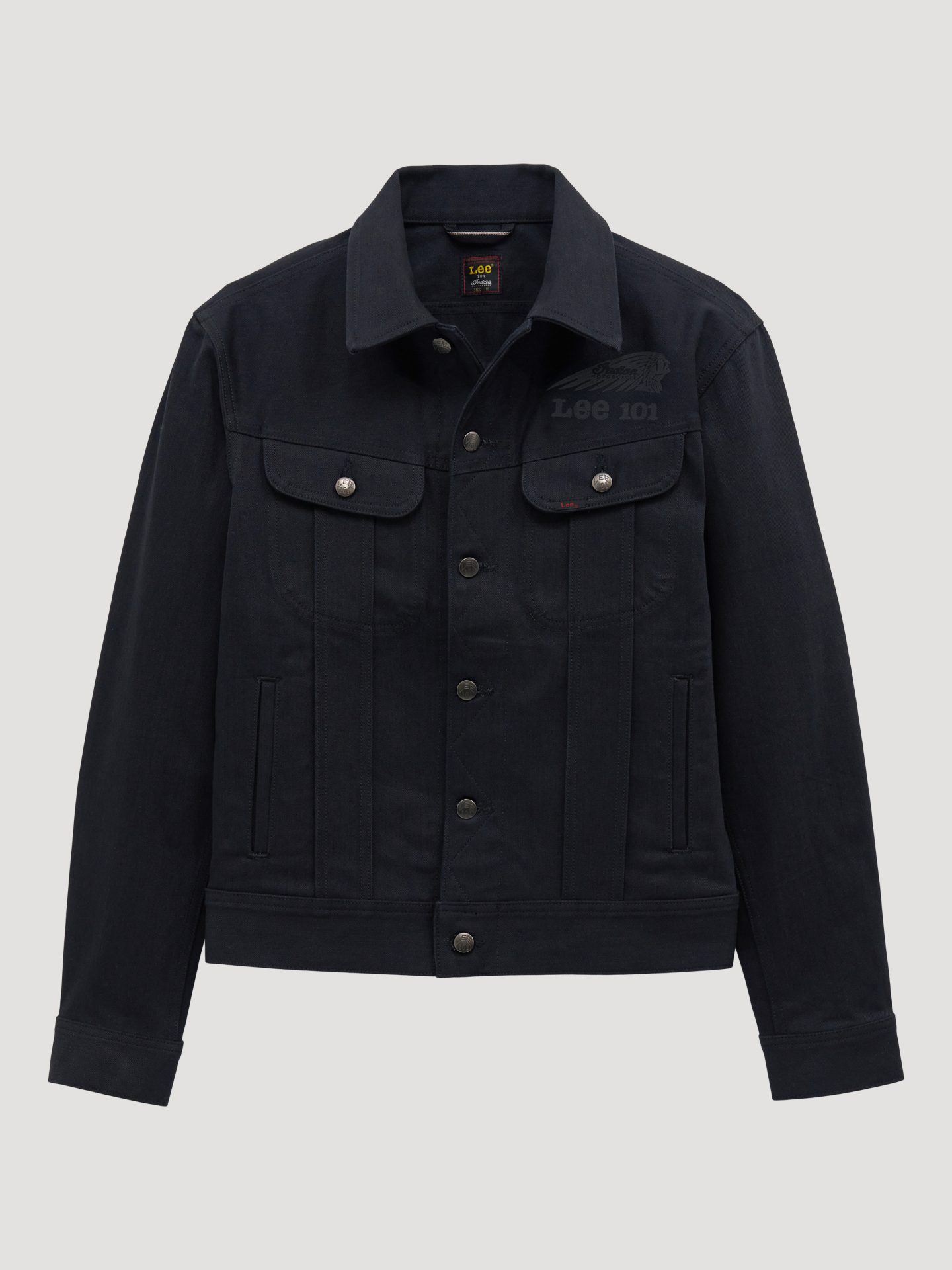
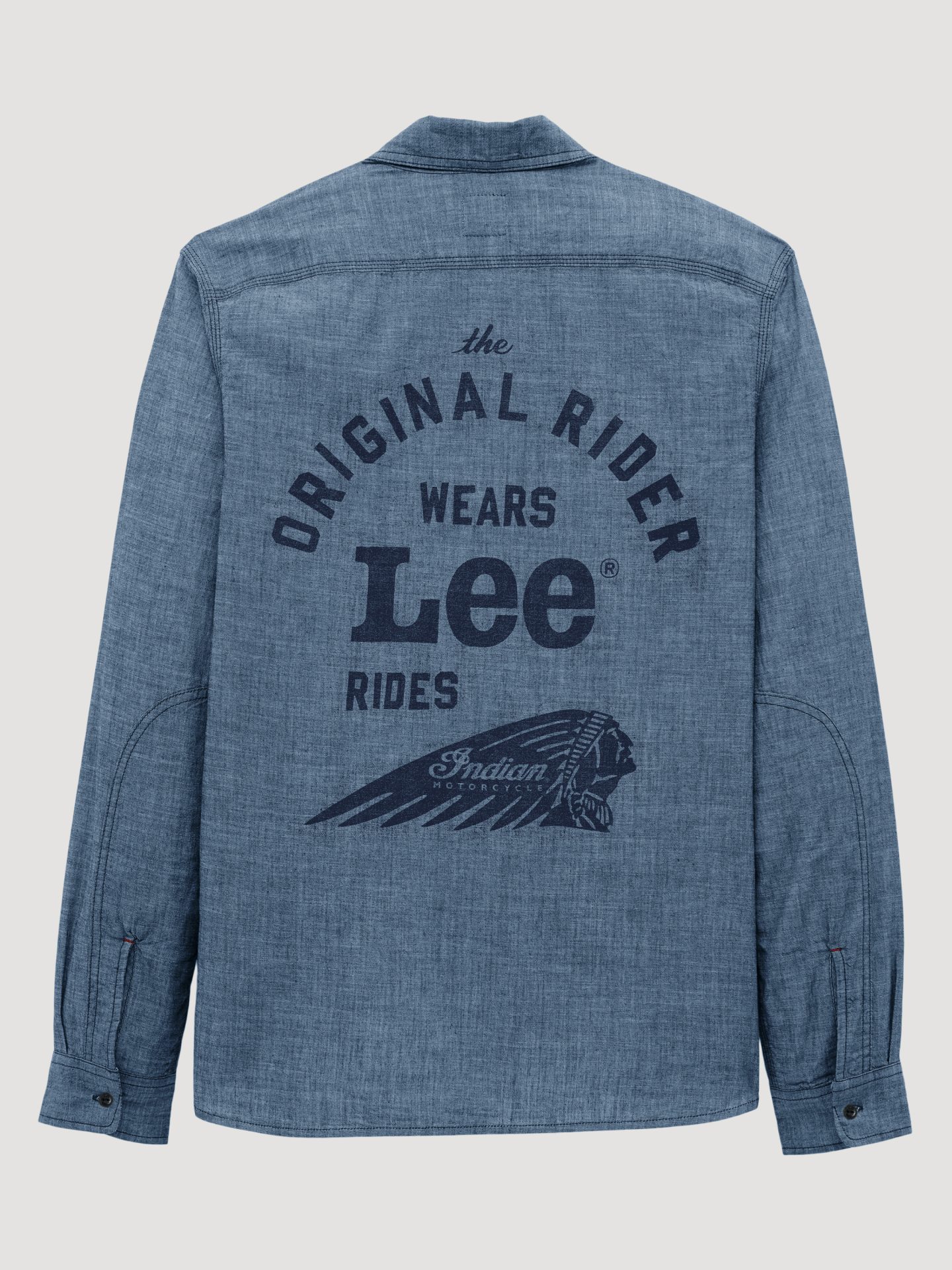
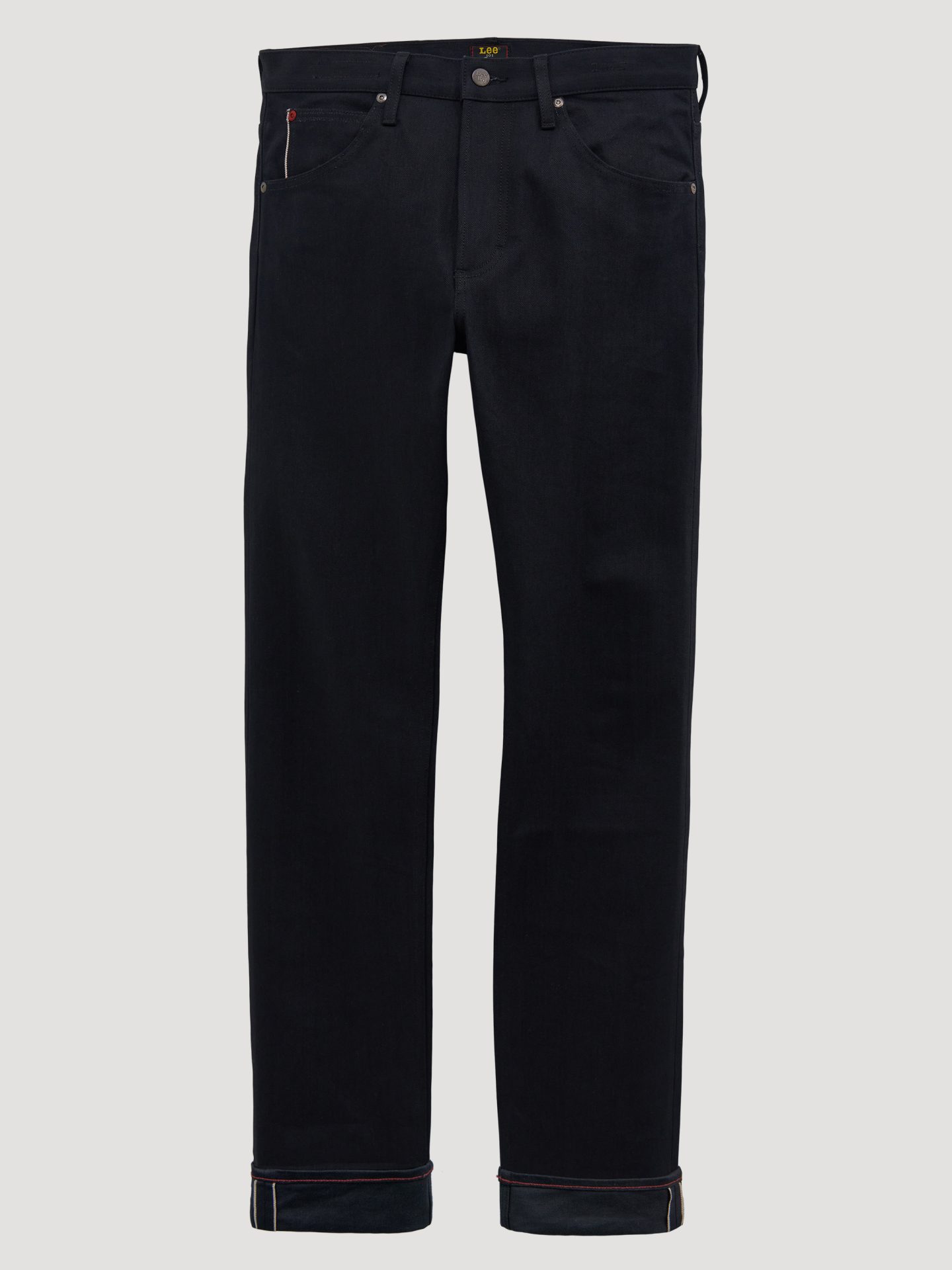
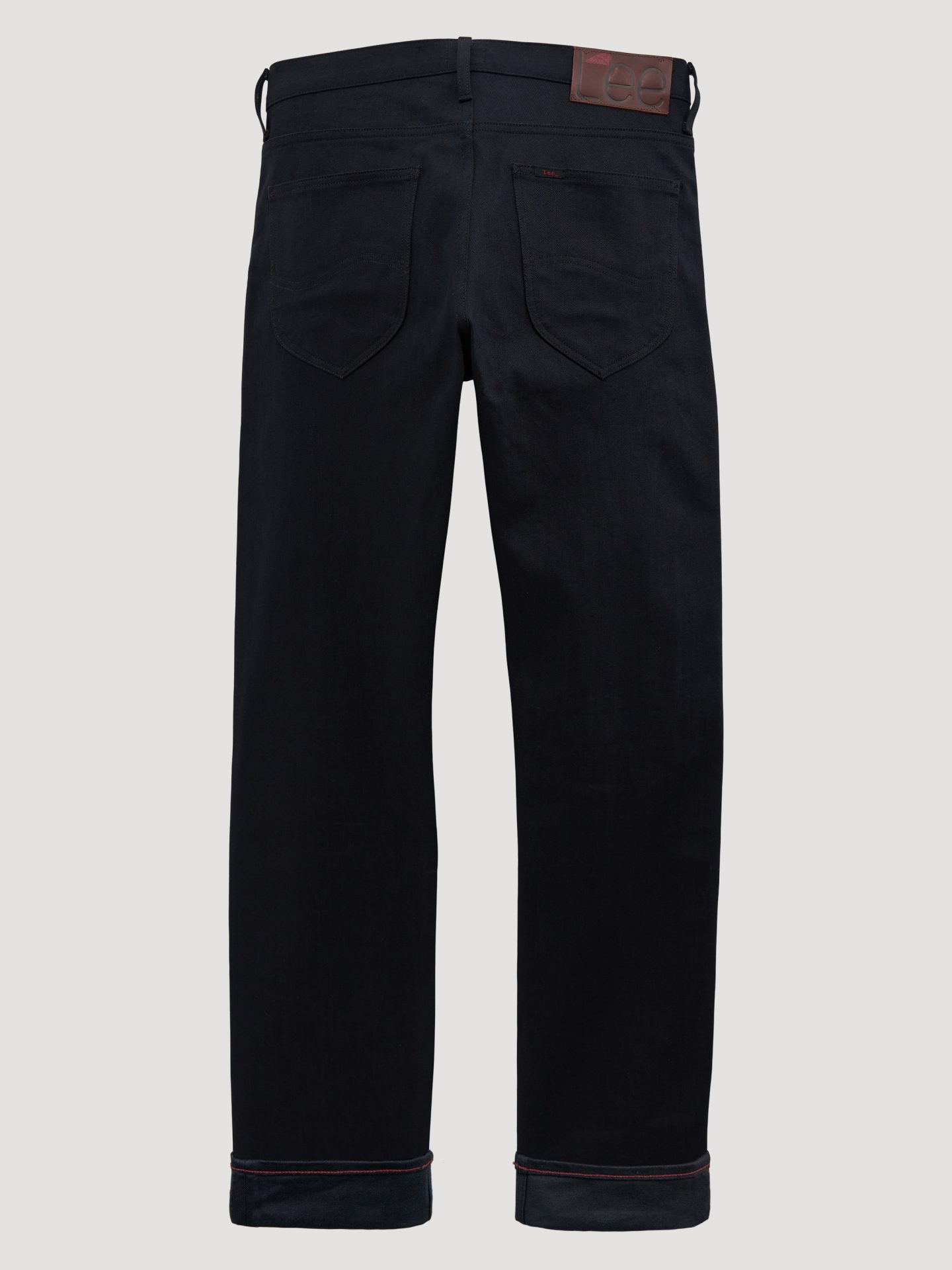
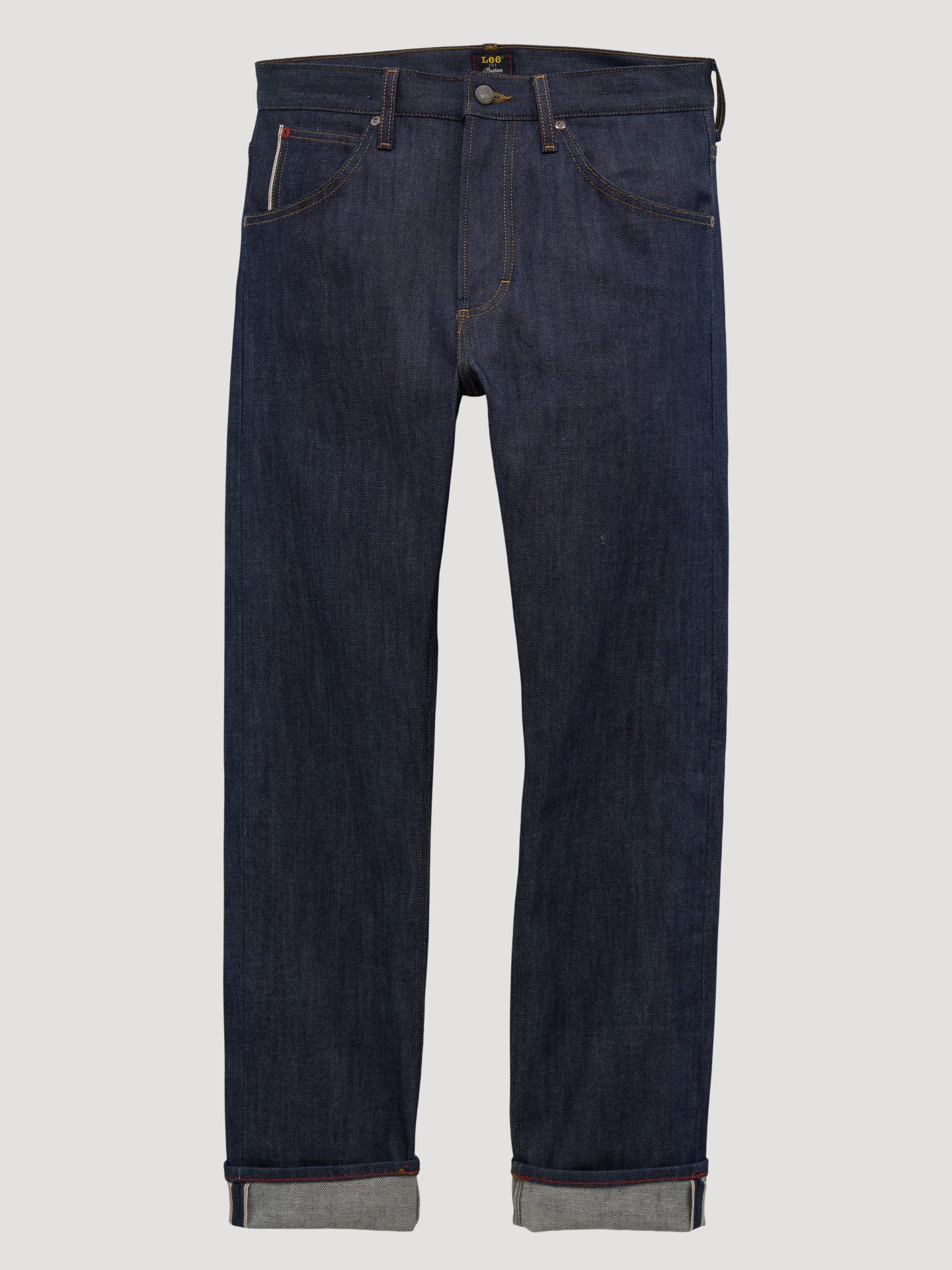
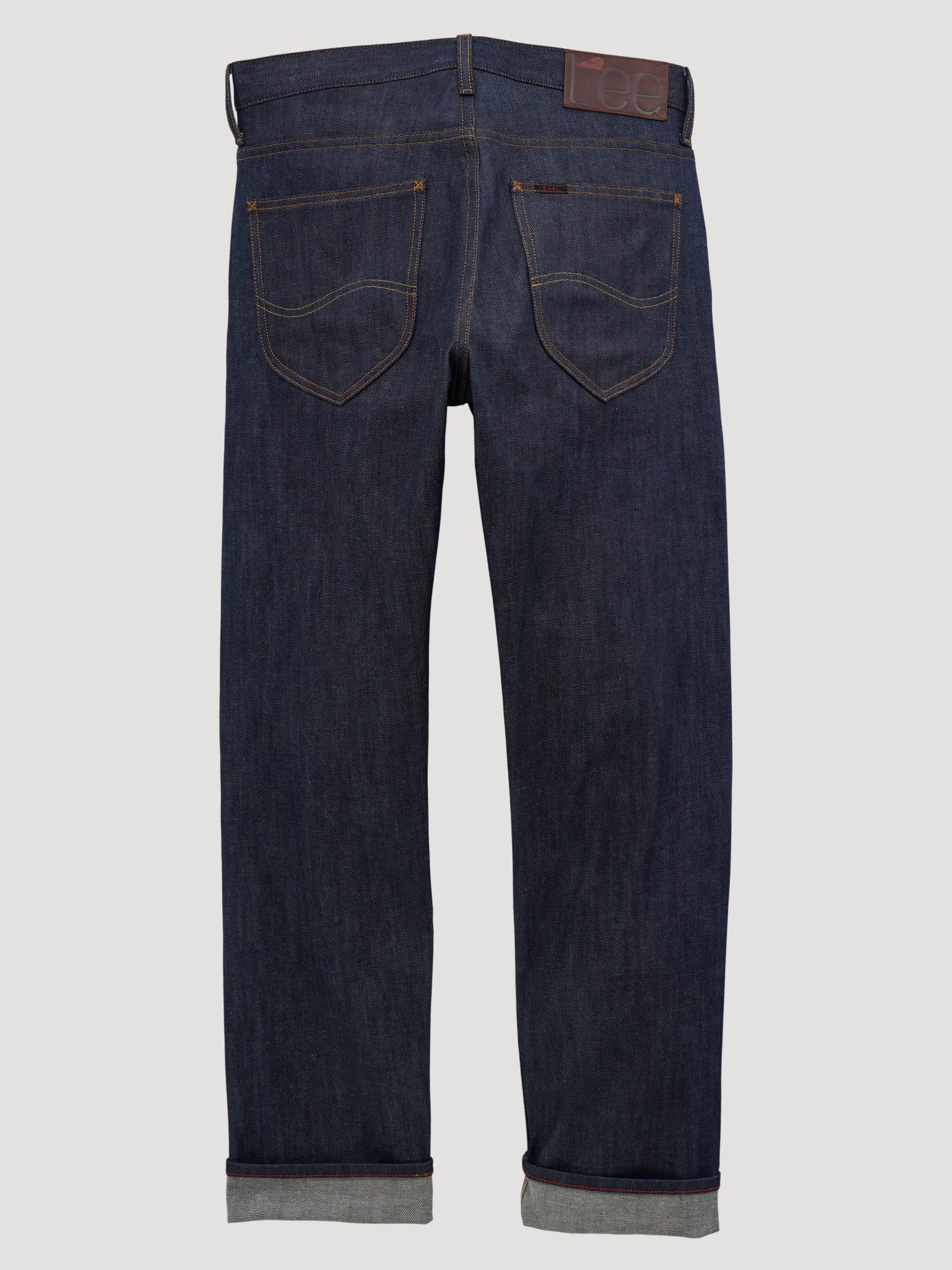
The capsule’s credibility rests on two garments. The Lee x Indian Motorcycle Rider Jacket و 101Z Rider Jean are both made from Italian selvedge, offered in raw and black washes, and finished with custom hardware and embroidery carrying Indian’s headdress badge.
Neither is a new design. Lee’s 101 line debuted in 1924 as a cowboy work pant; the 101J became the company’s slim-fit denim jacket in the 1930s, and in 1948 the company reworked that jacket into the plainer, narrower Rider, whose stitching pattern and chest pockets survive on this version.
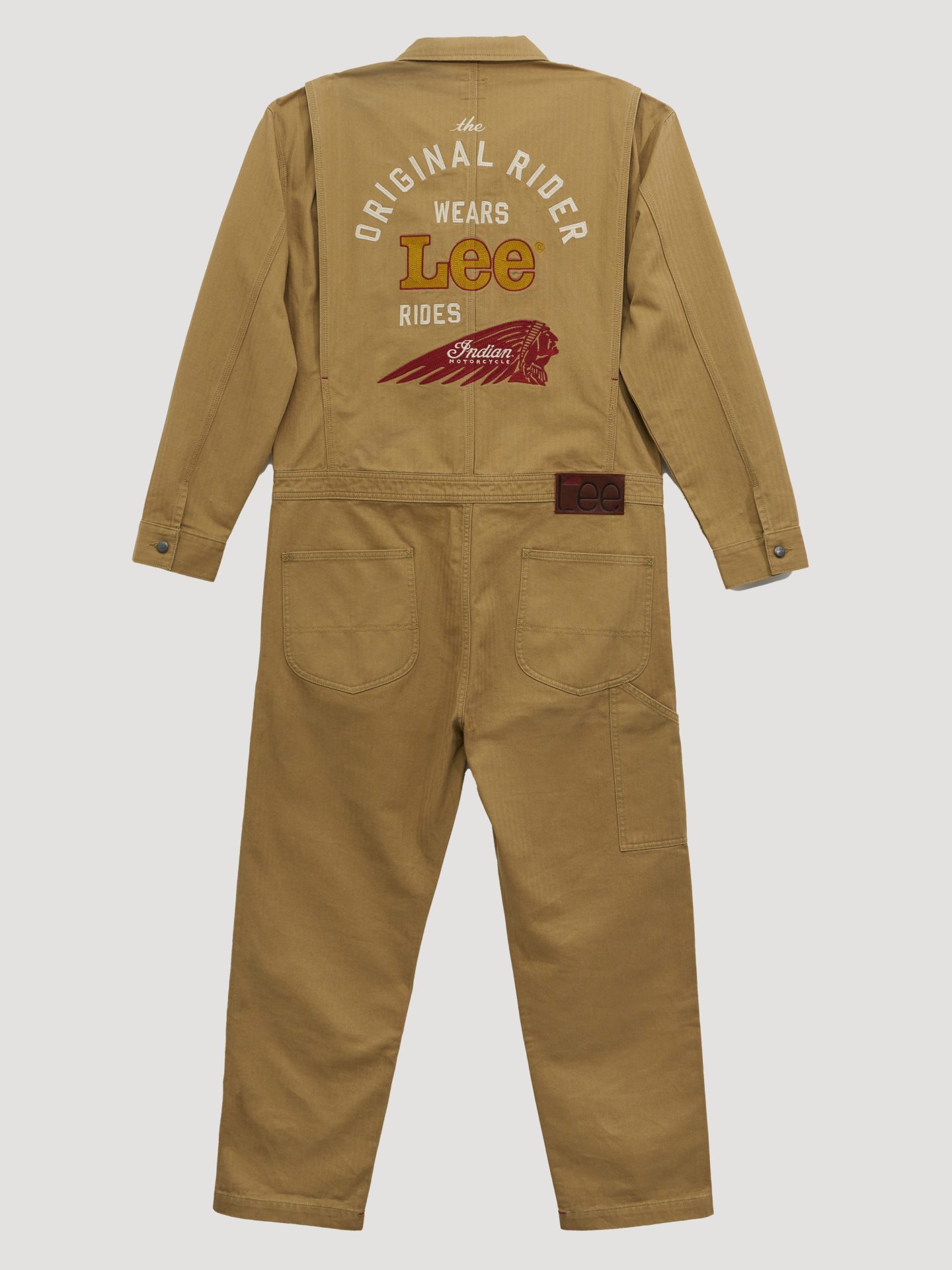
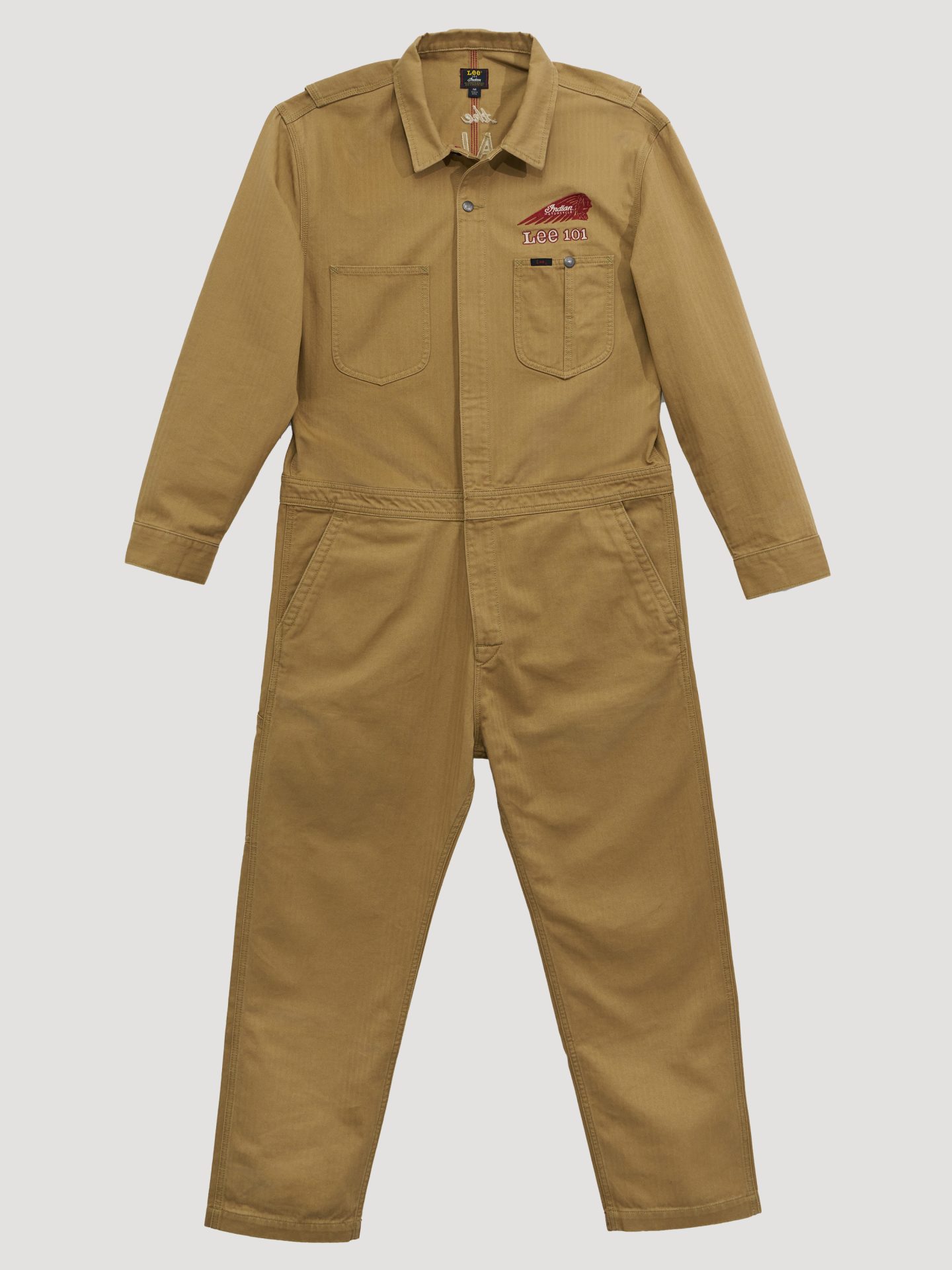
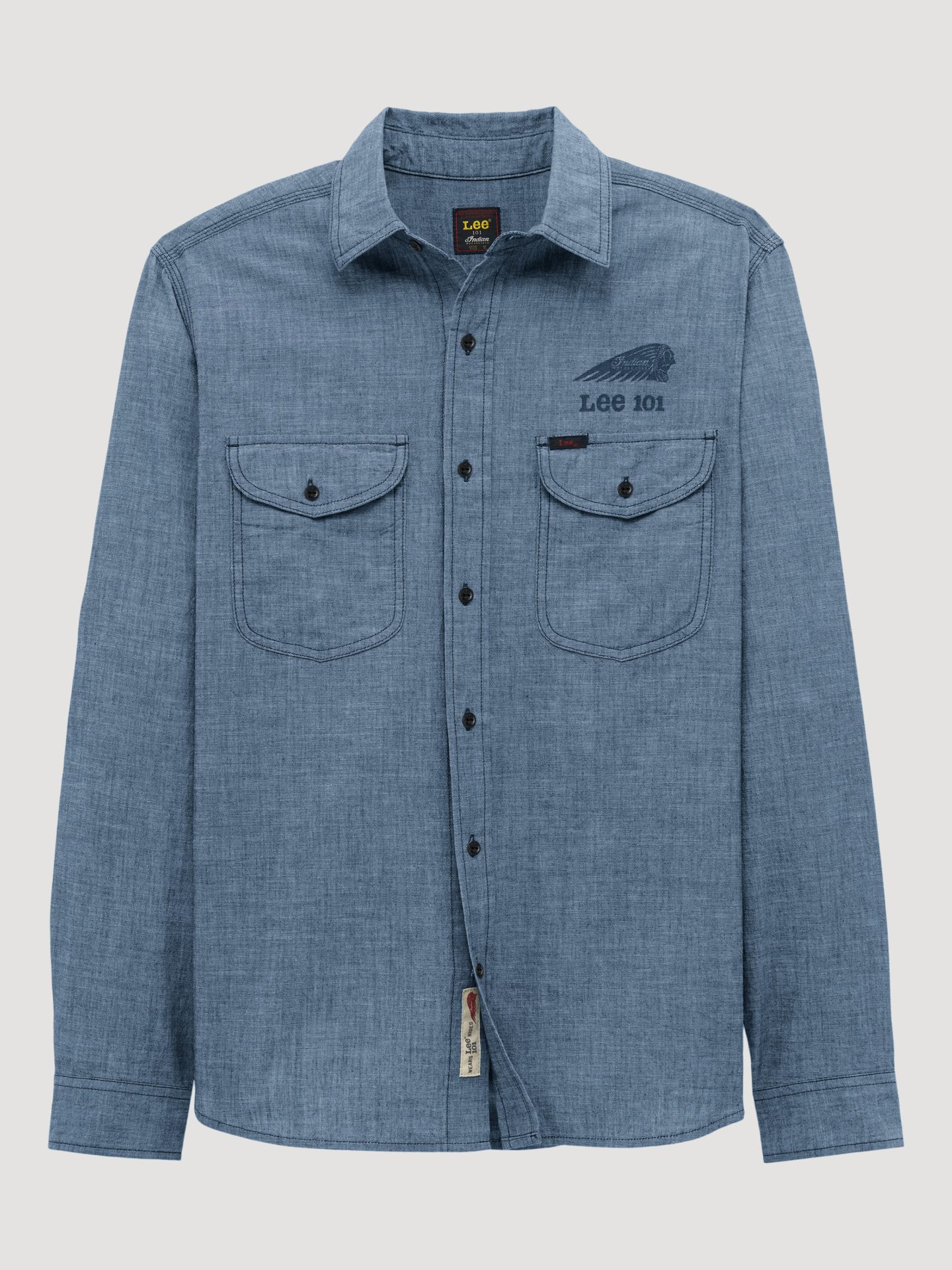
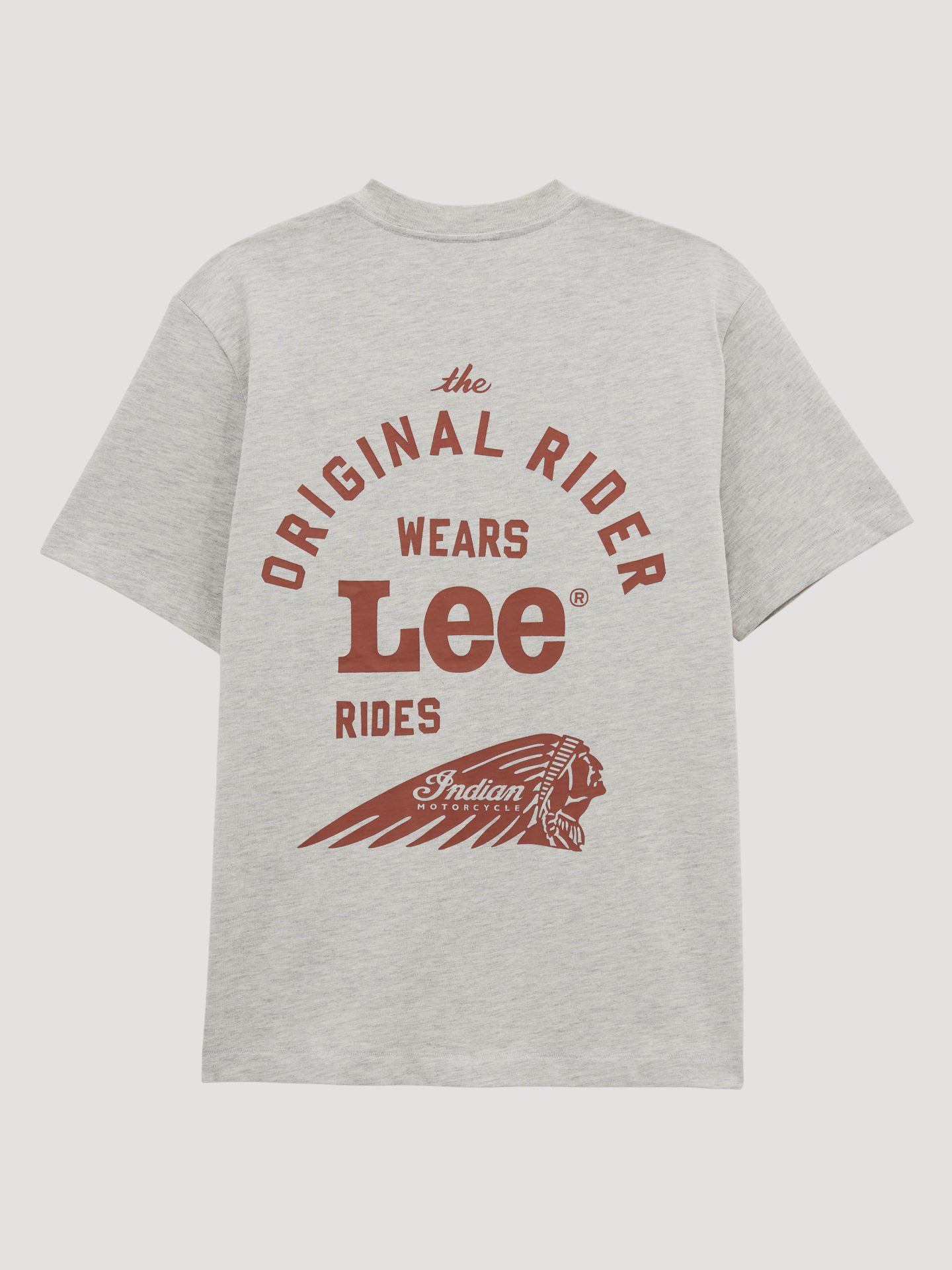
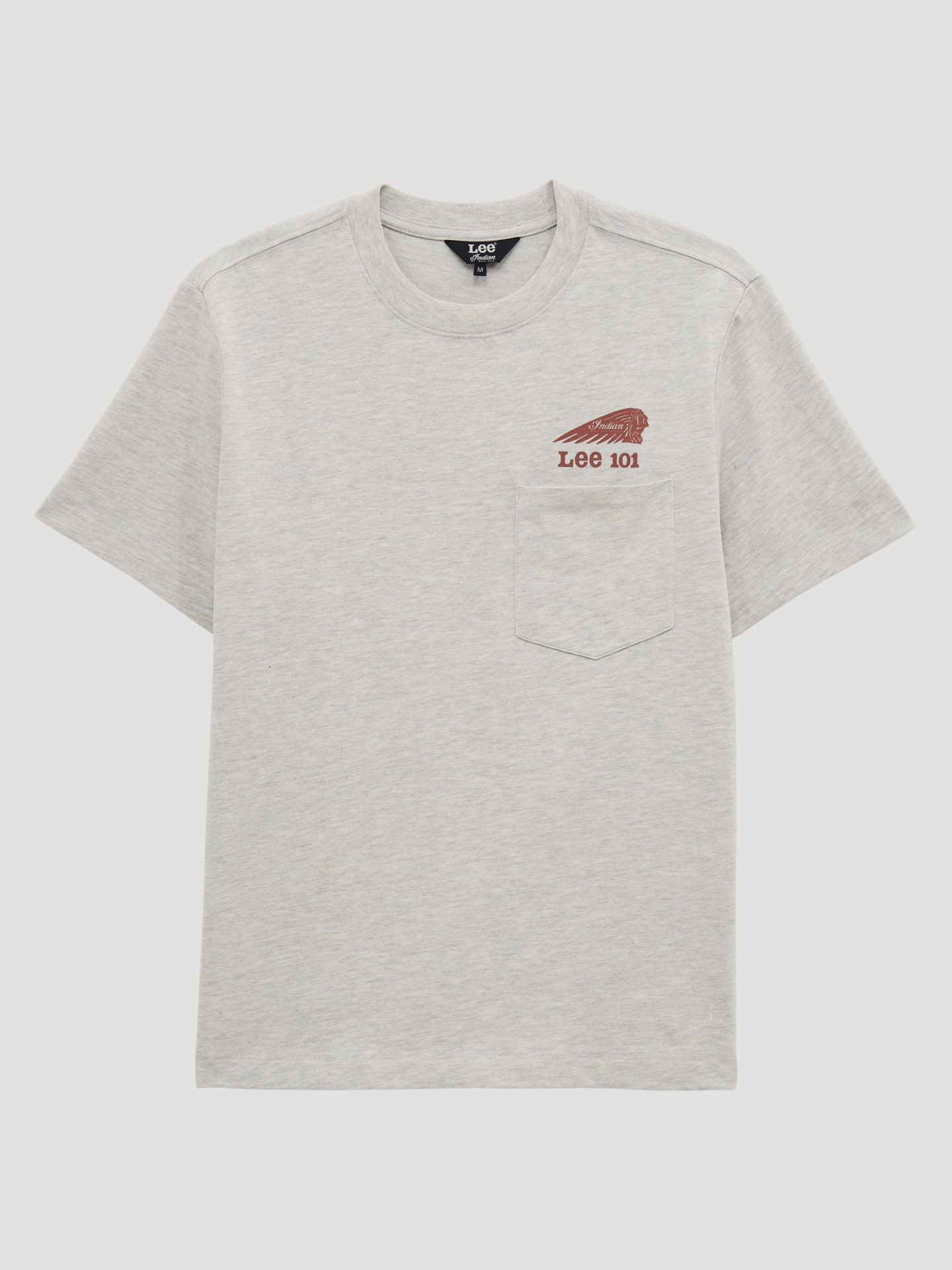
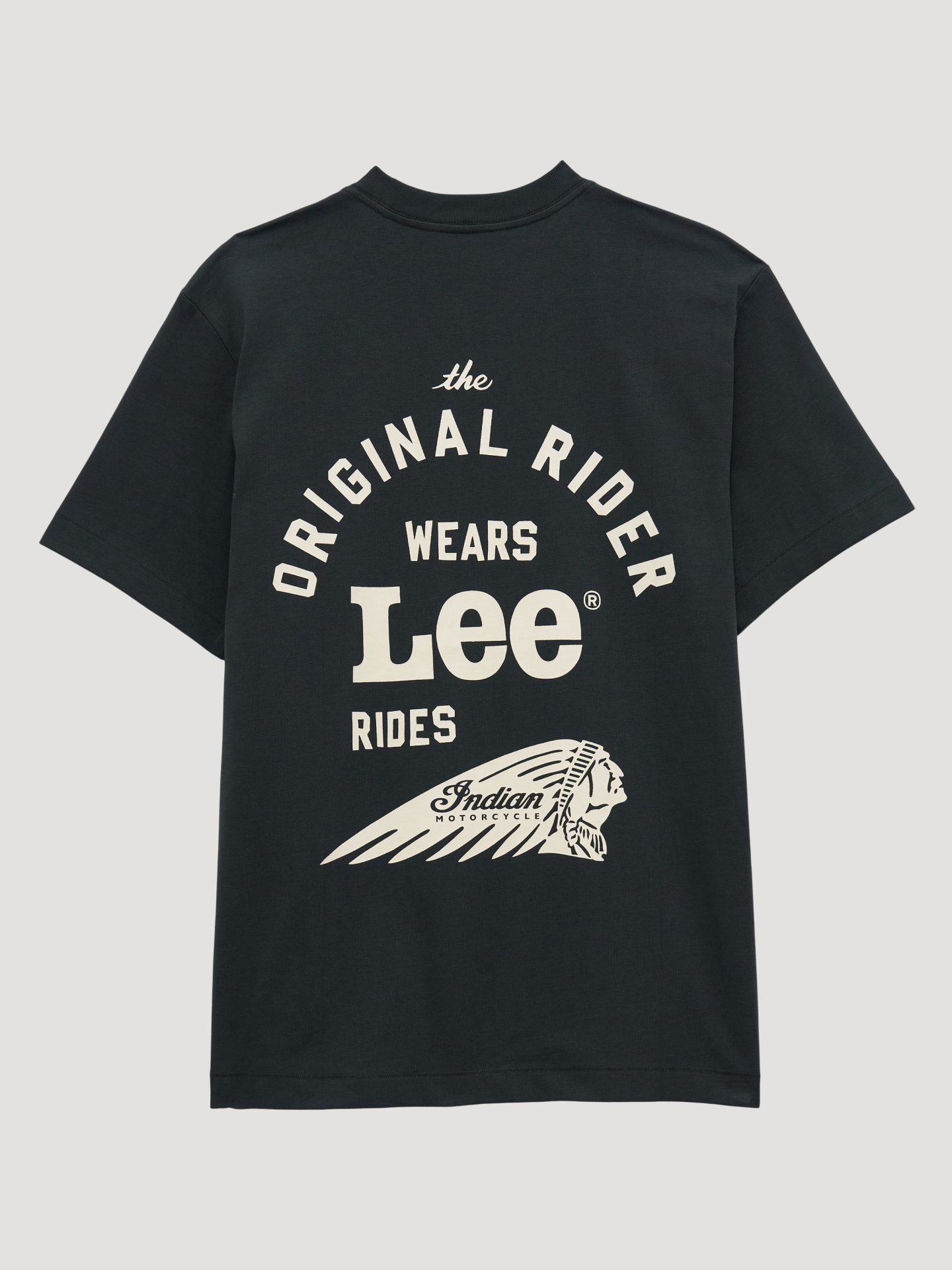
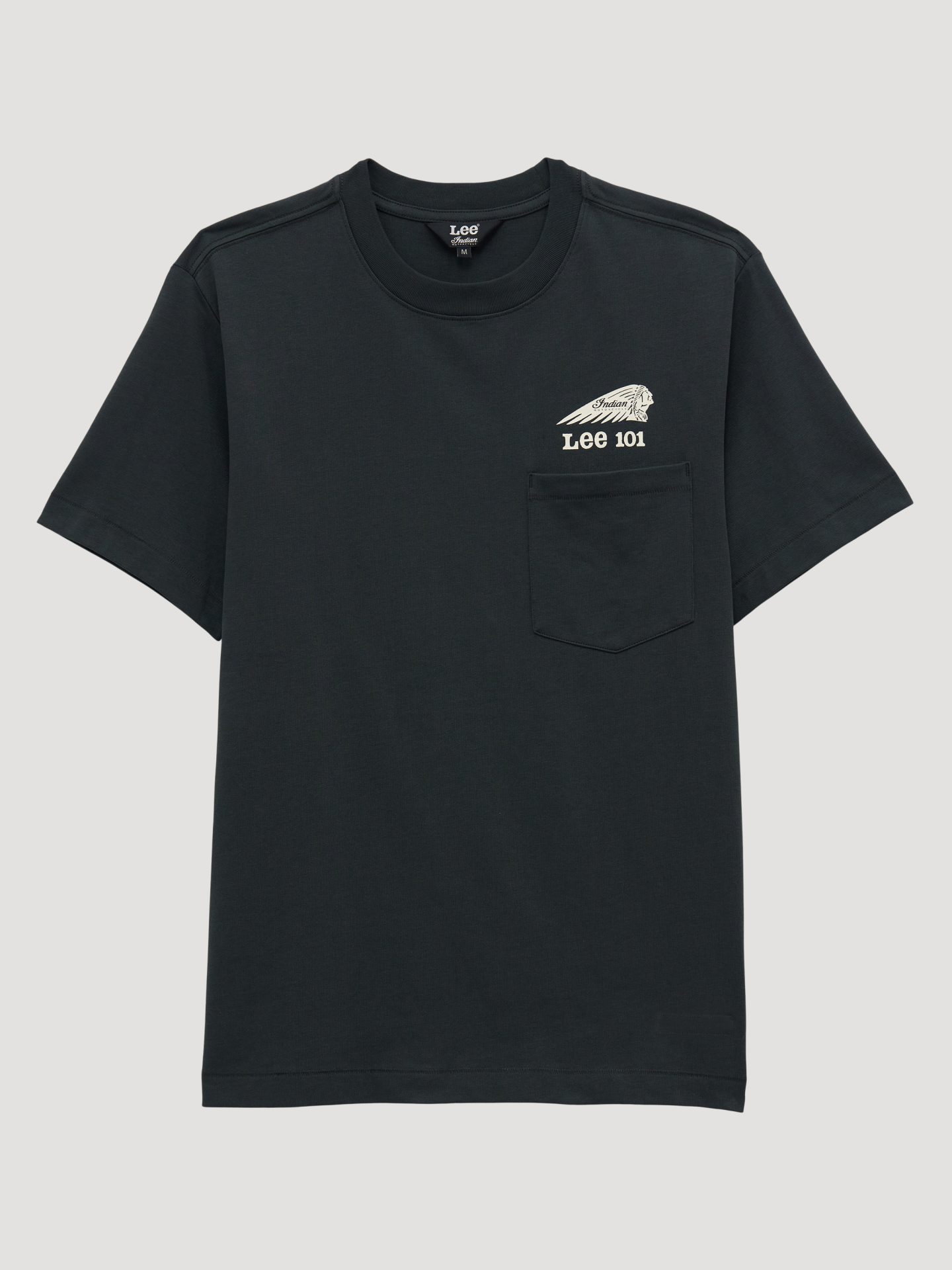
The rest of the range is where the volume sits. A herringbone Union-Alls jumpsuit traces back to the one-piece workall Lee stitched in 1913, and a chambray 101 workshirt anchors the workwear line; heavyweight graphic tees carry co-branded detail and the headdress logo, and they open the range at $49.
The Word Both Houses Already Own
Sedgwick Cole Jr., Lee’s senior director of global design, built the capsule on a deliberate double reading. “The capsule was inspired by the significance of the Original Rider,” he said. “It’s a dual meaning: the person who rides Indian Motorcycles now and then, and the iconic Lee Rider jacket and jeans.”
That is tighter product logic than most collaborations manage. Lee has sold a garment called the Rider since 1948, and Indian has sold motorcycles to people called riders since 1901, so the capsule never had to invent a shared vocabulary. It only had to borrow one.
The wash offer does a second job. Raw denim is the enthusiast format: the wearer supplies the fading, and the garment records it. Pitching both hero pieces in raw, alongside a black alternative, aims the capsule at people who already know what selvedge means.
Where It Faltered
Distribution is narrow for a story about American reach. Lee.com carries the capsule in the U.S. and Europe, and Lee-owned retailers carry it in Europe.
In the U.S., only one shop carries it: the retail floor at Bike Shed Moto Co. in Los Angeles, which also hosts the launch event that evening. No U.S. wholesale is in the opening window.
The venue is a good fit, and it’s small. Bike Shed occupies a 1945 warehouse on Industrial Street in the Arts District, with a 300-seat restaurant and about 40 motorcycles parked on its concrete floor. Those are exactly the customers a $279 selvedge Rider jacket is aimed at. There aren’t many of them in one room.
The capsule is also menswear only, which turns away from the category where Lee has historically been strongest. Lee brought denim to the women’s market in a significant way before World War II and spent decades afterward leading women’s and girls’ denim. An archive capsule closed to women leaves that record untouched.
And the piece most likely to be seen in the wild is the tee. The archive does the thinking; a logo transfer on a $49 garment does the selling. That is a defensible way to build an entry price and a thin way to argue craft.
The Mill in the Middle
Naming Candiani is the strongest sourcing decision here. Luigi Candiani opened the mill in 1938 at Robecchetto con Induno, between Milan and the Alps, and it is still family-run for four generations under Alberto Candiani, producing roughly 20 million meters of denim a year across some 300 qualities.
Lee 101 sits at the top of the brand’s pyramid, and a capsule carrying that name cannot be made from anonymous cloth. The mill is what makes the upper end of this price ladder legible.
Two Ownership Clocks
Mike Kennedy, Indian Motorcycle’s chief executive, placed the collaboration inside the anniversary. “As two iconic American brands, this collaboration represents our shared roots in craftsmanship, individuality and the spirit of adventure,” he said. “We’re excited to bring this partnership to life as Indian Motorcycle continues its 125th anniversary celebration.”
The anniversary has teeth. Indian has capped two of its 125th Anniversary Edition models at 250 units worldwide, and each hand-painted Chief Vintage 125th takes more than 14 hours to finish.
Lee’s clock runs the other way. In May, Kontoor Brands agreed to sell the Lee business to Authentic Brands Group for up to $ 750 million at closing and up to $250 million in earnout tied to Lee’s performance under its new owner. The closing is targeted for the fourth quarter, and Authentic has said it intends to run Lee as a licensing business, drawing on a partner network of more than 1,700.
Set those facts beside each other, and the capsule reads differently. One partner is spending the year on limited-edition hardware and anniversary badging. The other is being handed to a company whose model is licensing a name to operators rather than making anything itself.
What the Capsule Is Actually For
Indian’s history gives the pairing a factual base rather than a nostalgic one. George M. Hendee and Oscar Hedstrom built the first Indian in Springfield, Massachusetts, in 1901, and the marque took the first three places at the 1911 Isle of Man Tourist Trophy. Ownership has changed hands repeatedly since, most recently in February, when Carolwood LP took a majority stake and ended 15 years under Polaris.
For Lee, the capsule tests something the brand will need after the sale. Lee sells in more than 100 countries through some 900 branded retail locations, currently run by a manufacturer. Under Authentic, it becomes a name that gets licensed. A capsule whose most visible expression is a co-branded graphic tee is exactly the kind of product a licensing house can multiply across categories, which is why the smallest item in the range may prove the most consequential.
Whether the upper end holds its price is a retail question, and the tee will answer it faster than the سترة will. The more durable result is the one neither partner set out to prove: that a century-old archive can change owners without losing its meaning. Lee has been selling that proposition since 1889, and it is about to learn how much of it transfers.