
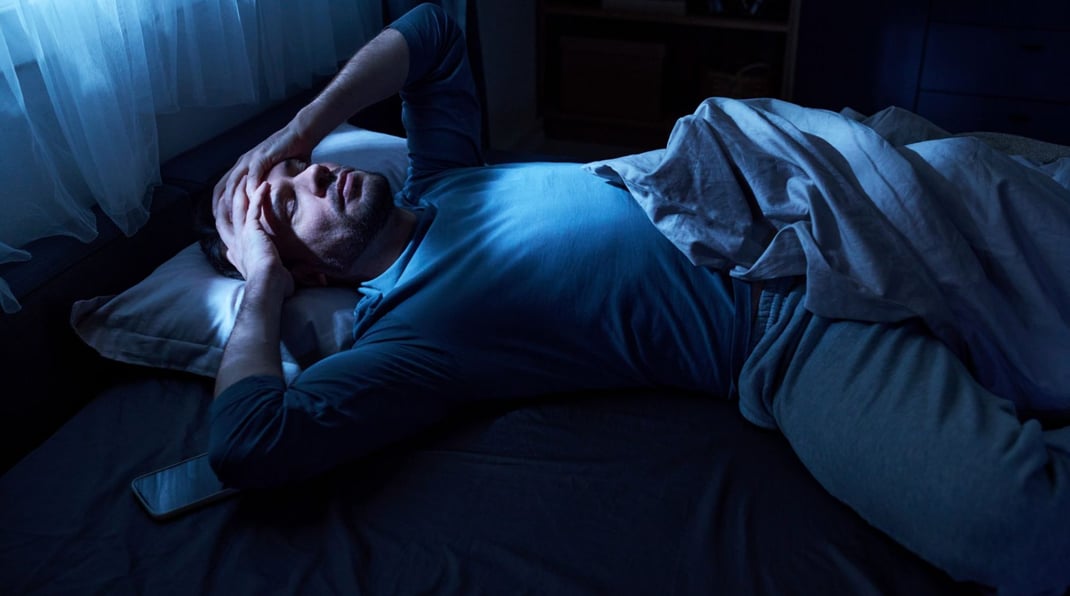

Most people have experienced a rough night of sleep followed by a day where everything feels harder, more frustrating, and oddly overwhelming. That short temper after five hours of rest is not just a mood quirk. It reflects a real and measurable shift in how the brain handles emotions. Poor sleep does not simply leave a person feeling tired. It actively changes how emotional information gets processed, making ordinary stressors feel far heavier than they would otherwise. Understanding this connection is the first step toward doing something about it.
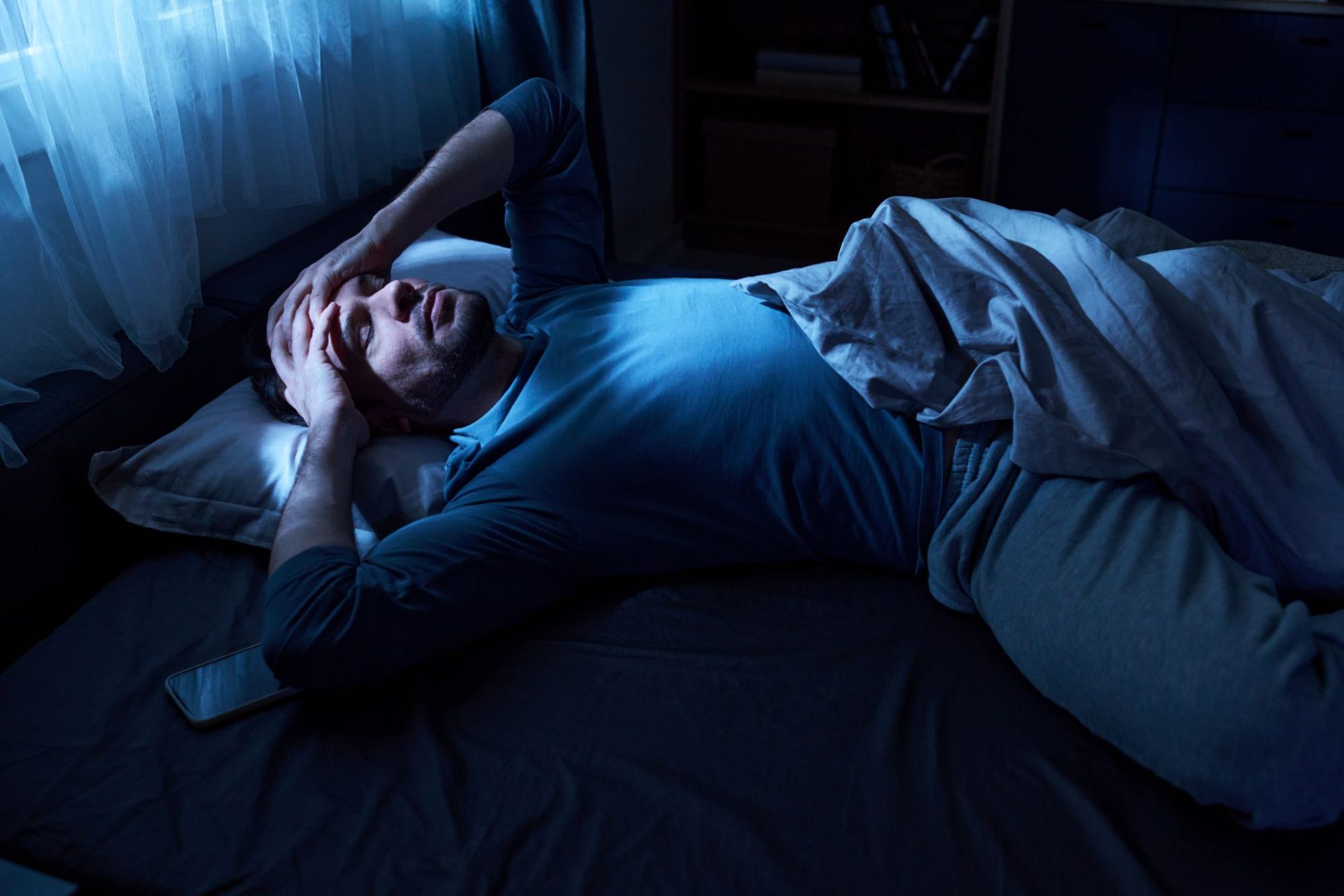
Why Sleep Deprivation Makes Emotions Harder to Manage
There is a strong, well-documented link between sleep and emotional regulation. For many adults, the depth of that connection often goes unrecognized until emotional difficulties reach a point that feels unmanageable.
How Sleep Loss Disrupts the Brain’s Emotional Control Centers
The prefrontal cortex is the part of the brain most responsible for rational thought, impulse control, and the ability to put emotions in perspective. Sleep deprivation significantly reduces activity in this region. At the same time, the amygdala, which processes emotional reactions like fear and anger, becomes more reactive. Research has shown that sleep-deprived individuals can experience up to a 60% increase in amygdala reactivity compared to those who are well-rested. In practical terms, this means a sleep-deprived person may overreact to minor inconveniences, struggle to de-escalate conflict, and find it difficult to self-soothe after a stressful event.
The Role of REM Sleep in Processing Difficult Feelings
REM (rapid eye movement) sleep plays a specific and underappreciated role in emotional memory. During REM cycles, the brain revisits emotionally charged experiences from the day, but it does so in a neurochemical environment that strips away much of the distress attached to those memories. In other words, REM sleep helps a person process what happened without staying stuck in how terrible it felt. Adults who experience disrupted or shortened REM sleep, hence, tend to carry unprocessed emotional weight into the next day. Over time, this accumulation can contribute to heightened anxiety, emotional sensitivity, and a general sense of being emotionally depleted.
Why Adults Seeking Psychiatry Services Often Report Sleep Problems
Sleep disruption is one of the most frequently reported concerns among adults who seek psychiatric support. Professionals في Reimagine Psychiatry, offering psychiatry services for adults in Burbank, note that sleep complaints are rarely isolated. They appear alongside mood instability, difficulty concentrating, and reduced frustration tolerance. This pattern makes clinical sense. Sleep deprivation does not simply worsen a pre-existing emotional condition: it can, in many cases, trigger one. Adults who have historically managed stress well may notice a significant decline in their emotional resilience during periods of chronic poor sleep, even without any other major life change.
The Cycle of Poor Sleep and Worsening Mental Health
Sleep problems and mental health difficulties do not exist independently. They feed into each other in a self-reinforcing loop that, if left unaddressed, can progressively erode a person’s psychological well-being.
How Anxiety and Depression Both Disrupt and Depend on Sleep
Anxiety makes it harder to fall asleep because the mind stays in a state of alert, cycling through worries and perceived threats. Yet the sleep loss that results from anxiety then amplifies the very neurological sensitivity that makes anxiety worse. Depression follows a similar pattern. It frequently causes either hypersomnia or insomnia, and either way, the resulting sleep disruption deepens depressive symptoms. Studies consistently find that adults with insomnia are significantly more likely to develop a new depressive episode than those who sleep well. The relationship is bidirectional, and that is precisely what makes it so difficult to break without deliberate intervention.
How Emotional Dysregulation Builds Over Days of Poor Sleep
A single poor night of sleep can make a person irritable. Several consecutive nights of disrupted sleep can produce something far more destabilizing. After multiple days of inadequate rest, adults often report difficulty accurately identifying their own emotional states. They may feel overwhelmed without being able to name the specific emotion. They may react with disproportionate intensity to situations that would normally feel neutral. Emotional regulation is a cognitive skill, and like any other cognitive function, it degrades under sustained sleep deprivation. The longer the cycle continues, the more a person’s baseline emotional state shifts downward, making it harder to return to equilibrium even after a better night of sleep.
The Physical Stress Response That Sleep Loss Activates
Sleep deprivation raises cortisol levels and activates the body’s stress response system. Elevated cortisol, in turn, interferes with the brain regions responsible for memory consolidation, mood regulation, and clear thinking. This is not a minor or temporary effect. Chronic sleep deprivation keeps the stress response system in a state of low-level activation, which wears down both physical and mental resilience over time. Adults in this state often describe a persistent sense of being on edge, a low threshold for frustration, and a feeling that even small tasks require far more effort than they should. These are not character flaws. They are predictable physiological outcomes of sustained sleep loss.
Practical Steps to Sleep Better and Regain Emotional Balance
Addressing poor sleep is not always straightforward, but there are clear, evidence-based strategies that can make a meaningful difference. The key is to approach sleep health with the same consistency and intention that one would apply to physical الصحة.
Sleep Hygiene Habits That Directly Support Emotional Stability
Consistent sleep and wake times are among the most effective ways to stabilize the body’s internal clock. Adults who go to bed and rise at the same time each day, including on weekends, tend to experience better sleep quality and more stable moods. Limiting screen exposure in the hour before bed reduces melatonin suppression, a hormone that signals the body to prepare for sleep. Keeping the bedroom cool, dark, and quiet removes environmental barriers to deep sleep. These adjustments may seem small, but their cumulative effect on emotional regulation is substantial. A stable sleep schedule gives the brain the predictable rest it needs to process and regulate emotions effectively.
Cognitive and Behavioral Approaches That Break the Cycle
Cognitive Behavioral Therapy for Insomnia (CBT-I) is one of the most effective non-pharmaceutical treatments available for chronic sleep difficulties. It works by identifying and changing the thought patterns and behaviors that perpetuate poor sleep. For example, many adults develop anxiety around sleep itself, lying awake and worrying about not falling asleep, which then makes sleep even more elusive. CBT-I directly addresses this pattern. Mindfulness-based practices also have strong evidence behind them. Regular mindfulness reduces hyperarousal, the state of mental over-activation that makes it difficult to transition into restful sleep, and it also builds emotional regulation skills that carry over into waking hours.
When Professional Support Becomes the Right Next Step
Some sleep and emotional difficulties are so deeply intertwined that they cannot be resolved through self-directed strategies alone. Adults who experience persistent insomnia alongside anxiety, depression, or emotional instability may benefit significantly from working with a mental health professional. A psychiatrist or therapist can assess whether an underlying condition is driving the sleep disruption, identify the most appropriate treatment approach, and provide structured support throughout the recovery process. Seeking help is not a sign that the problem is beyond solving. In fact, early professional intervention often leads to faster and more complete resolution of both the sleep difficulties and the emotional struggles that accompany them.
الخاتمة
Poor sleep does not simply leave a person tired. It reshapes how the brain responds to the world, amplifying emotional pain and shrinking the mental resources needed to cope with it. For adults caught in the loop of disrupted sleep and emotional difficulty, the path forward exists. Whether through stronger sleep habits, evidence-based therapy, or professional psychiatric support, meaningful improvement is achievable. Addressing sleep is, in many respects, one of the most direct ways to protect and restore emotional well-being.