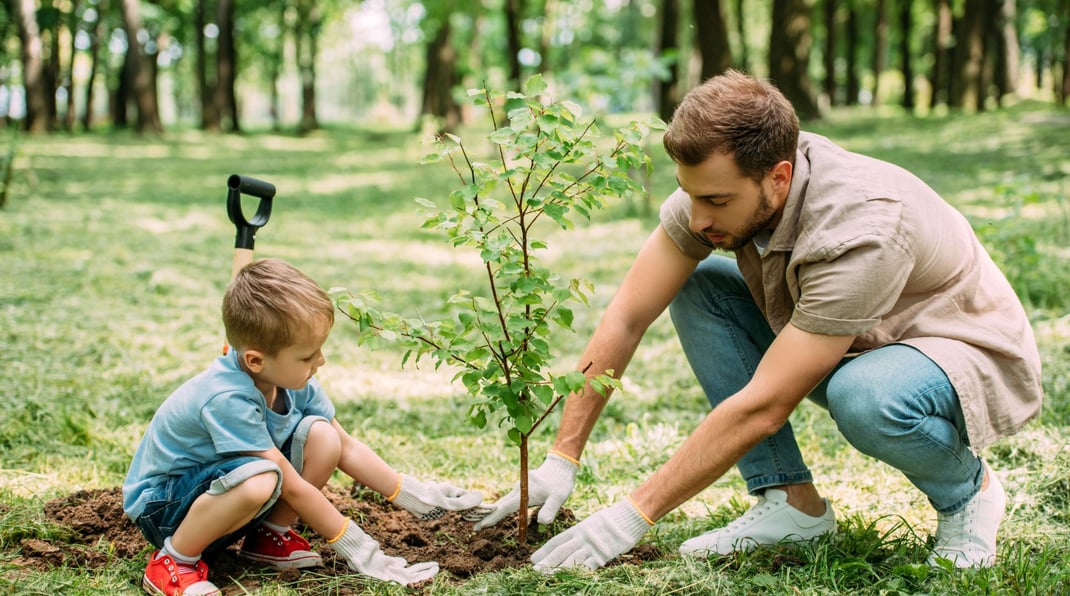

If you are looking for an activity that can be soothing yet incredibly thrilling, gardening with your kids is another option you may want to consider. There is something very magical in watching seeds turn into sprouts, sprouts grow into plants, and plants transform into something you can actually eat! And the benefits?
They go way beyond growing veggies or beautiful flowers. When you garden with your kids, you’re planting the seeds of responsibility, patience, and healthy habits- all in a super fun outdoor manner. Now let’s dig in to find out how gardening can be a wonderful family thing with all the ingredients for fun, meaning, and, yes, a little messy.
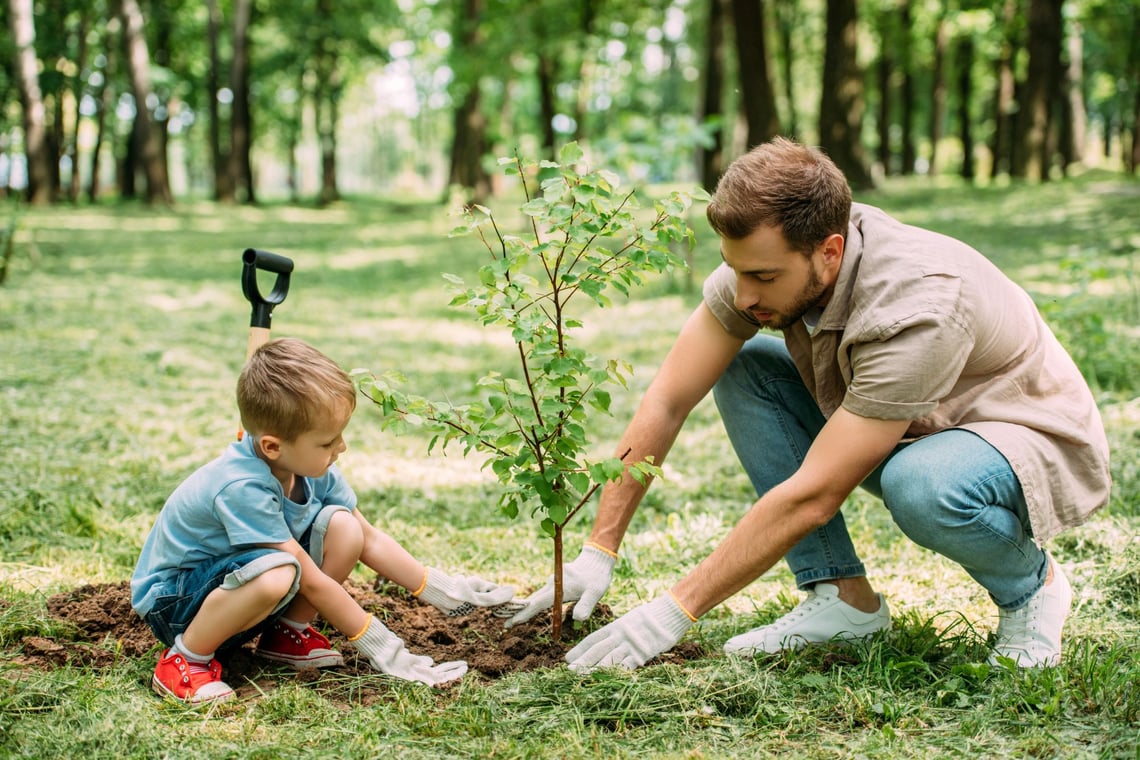
Why Gardening? It’s More Than Just Growing Plants!
In a world of screens-a-palooza, gardening is kind of like the refresh button for kids. It gets them off the couch and out of the house, deep into nature. But most of all, gardening is not just about getting a little dirt under their fingernails-although, let’s be real here, that part is pretty rad. It teaches them where the food is coming from, introduces them to the art of nurturing, and gives them a quiet sense of accomplishment.
Studies have shown that spending time outside can reduce stress and boost mood, so why not give them a chance to experience this in your own backyard?
When kids tend to plants, they’re not just keeping things alive; they’re learning that effort and patience bring real results. Plus, when those first tomatoes or sunflowers finally pop, you’ll see their excitement go through the roof. While fresh produce might make them eat healthier, they’ll also gain respect for the earth and the food it gives us.
In short, gardening teaches responsibility, resilience, and a love for fresh air and healthy food. And that’s something every kid could benefit from.
Start Simple: Age-Based Activities for Your Garden
Getting kids excited about gardening depends a lot on their age. Don’t worry about making it perfect; just make it fun! Here are a few ideas to match their level of curiosity and capability:
- For Ages 2-4: At this age, kids are all about textures and colors. They’ll love digging their hands into the soil and maybe even “watering” with more enthusiasm than skill. Give them a small patch to play in, or let them drop seeds into the soil. Simple, fast-growing plants like lettuce or basil are great choices, and they’ll be amazed watching them sprout.
- For Ages 5-7: Kids in this age range can handle a little more. They might enjoy planting flowers, starting a veggie patch, or even labeling their plants with homemade signs. Show them how to gently water, help them pull small weeds, and pick plants that grow quickly (like radishes or marigolds). Their sense of pride will blossom along with their garden.
- For Ages 8-12: Now things get serious. The young gardeners may acquire some basic knowledge of plant life cycles, composting, and even companion planting-think tomatoes with basil. Give them real responsibilities, such as tool use and maintenance of a garden journal to record observations. Participatory planting- if you are interested, give gardening choices so that their preferences surprise you.
- For Teens: Teenagers can also find a completely new appreciation for gardening. They may appreciate the challenging projects of growing from seed, creating a small herb garden, or even more advanced gardening topics such as grafting or hydroponics. Gardening can be a way to unwind for them, a break from school pressures, or even to grow their own little corner of the yard.

Learning Big Lessons from Small Seeds
Gardening teaches kids a lot more than just how to grow plants. Here’s what they’re learning while they dig, plant, and water:
Responsibility: Plants need attention, plain and simple. Let kids take ownership of tasks like watering and checking for pests. The thrill of seeing their plant thrive because of their care is unbeatable, and helps them understand the importance of routine.
- Problem Solving: Sometimes, plants face unexpected challenges, like insects, diseases, or dryness. Letting kids find ways to fix these problems (maybe by mixing up an organic pest spray or even using a small weed eater to clear their patches) gives them a chance to think critically and get creative.
- Patience and Observation: Plants don’t grow overnight. Observing the tiny changes every day teaches patience like nothing else can. Give them a garden journal to track their observations. This helps them learn how to pay attention to details and notice how little things add up to big results.
- Healthy Eating and Sustainability: Growing their food means kids know where their meals come from. When they see how much work goes into producing one tomato, they appreciate it more, and might even be more open to trying new vegetables. Plus, growing organically shows them the importance of taking care of the planet.
- Environmental Stewardship: They get to witness how every insect, plant, and bird contributes to maintaining a healthy ecosystem. Let them see how composting changes scraps of kitchen food into rich soil or how bees and butterflies pollinate the plants. These may seem like minor lessons, but their impacts are huge when it comes to building concepts about the world that surrounds them.
Fun Projects to Keep Their Interest Blooming
Once the basics are in place, spice things up with some creative garden projects. You’d be amazed at how simple things can spark so much curiosity.
- Fairy Gardens or Dino Worlds: Dedicate a small corner of the garden to a magical land, complete with tiny decorations, rocks, and plants. Kids can add figurines or flowers, transforming the space into a little world of their own.
- Eggshell Seed Starters: Use empty eggshells as small pots! Let the kids draw little faces on them and plant some seeds in them, waiting for the tiniest shoots to spring out. Once ready, they can crush the shells-egg-planting directly into the garden, adding calcium to the soil.
- DIY Bug Hotels: This one’s both fun and eco-friendly. Use pine cones, twigs, and leaves to create a bug “hotel” that welcomes beneficial insects. You can place it in the garden to attract pollinators or bugs that eat pests, adding to the ecosystem.
- Bird-Friendly Zone: Create a space with bird feeders, birdbaths, and plants that attract our feathered friends. This adds a wonderful mix of life to your garden and teaches kids about biodiversity.
- Rainbow Garden: Imagine a garden with a full rainbow of colors! Kids can help plant flowers or vegetables that represent every color, creating a visual treat that’s as beautiful as it is educational.
Gardening with your kids is one of those activities that’s fun and educational and somehow always turns into lasting memories. Together, you’re growing more than just plants; you’re cultivating a sense of responsibility, care, and wonder that will stay with them for years.