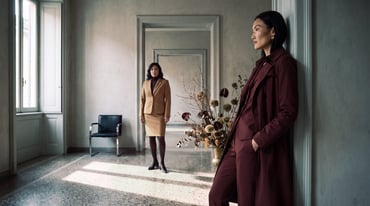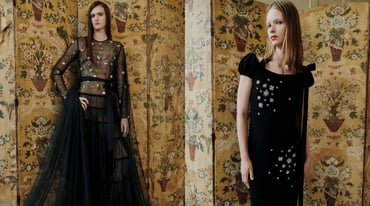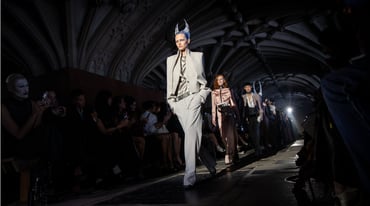
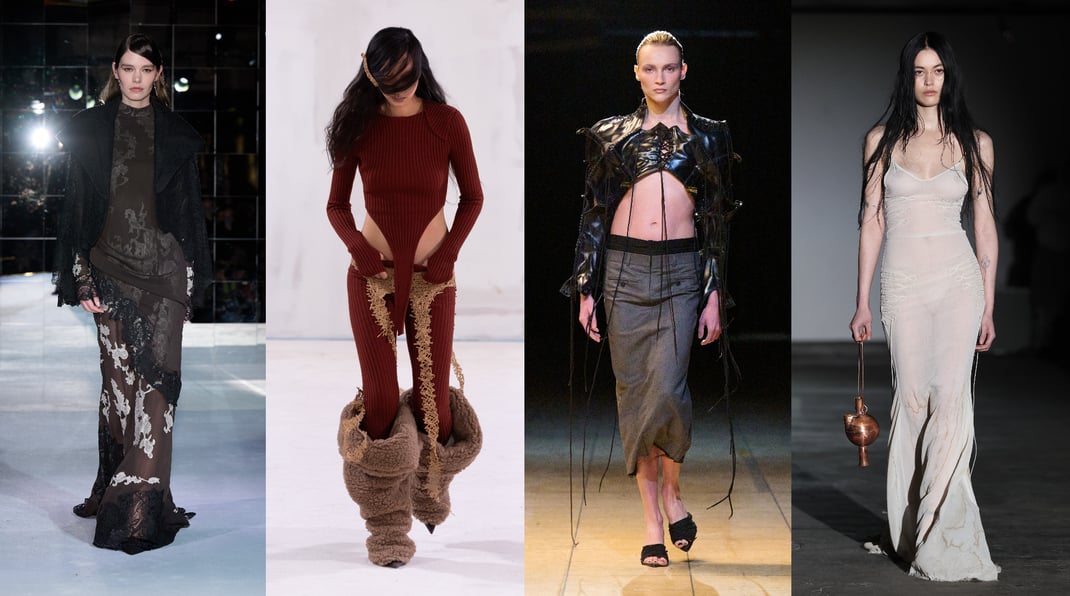

Berlin marked its Fall/Winter 2026 Fashion Week as a pivotal moment in the city’s evolution as a global fashion destination. The week’s programming — cold temperatures and all — revealed a city increasingly defined by international relevance, commercial momentum, format innovation, and design that interrogates both form and social consciousness.
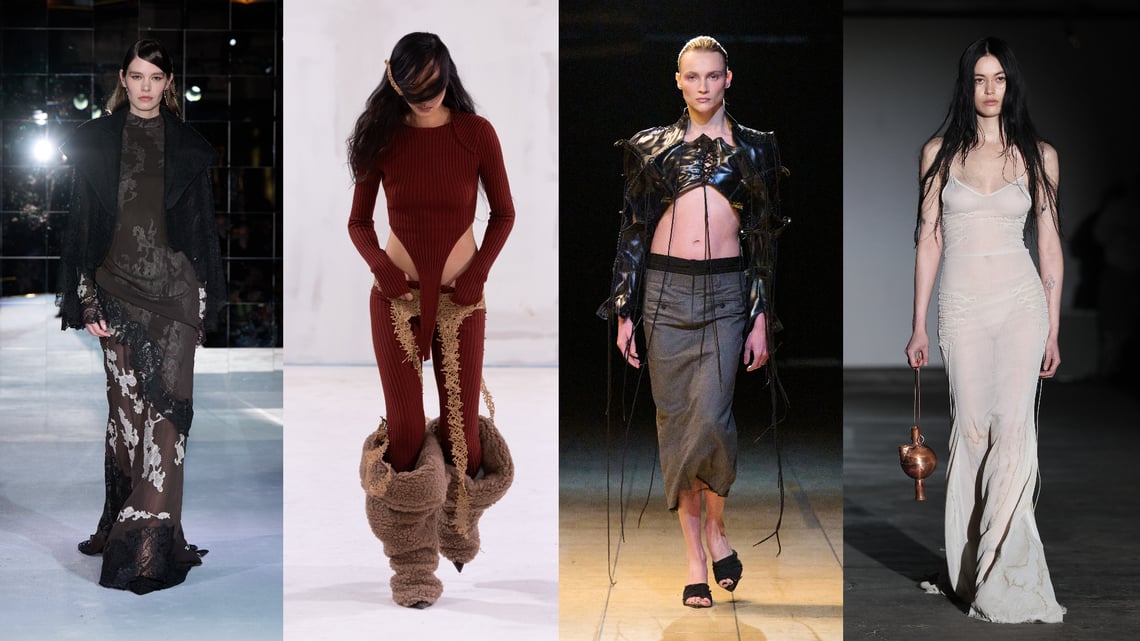
Berlin’s International Momentum Solidifies
Berlin Fashion Week (BFW) extended its global footprint this season through curated partnerships and a strengthened schedule. Reference Studios’ Intervention showcase continued to attract celebrated labels to the official calendar, inviting names such as John Lawrence Sullivan, Kenneth Izeو Dagger into the heart of the capital’s runway offerings. Legacy brand GmbH returned, while international interest in Berlin’s distinct creative language continued to grow.
This deliberate inclusion of globally recognized talent reinforces Berlin’s transition from a regional showcase to a platform with worldwide resonance — a stage where experimental energy and rigorous craft coexist.


Commercial Growth Takes Shape
BFW’s commercial narrative expanded beyond the runway. Established Berlin labels deepened their market presence through retail and wholesale strategies. Berlin-born brands like Haderlump and Richert Beil opened brick-and-mortar stores in the city, anchoring local creativity within permanent retail frameworks. Meanwhile, SF1OG reported significant sales expansion, with nearly 50% year-on-year growth and rising wholesale demand across Asia.
Fashion Council Germany supported this momentum through market development initiatives, including targeted trips to Japan and South Korea that strengthened buyer relationships and generated press coverage. Plans to open a new Paris showroom signal a continued commitment to European and international commercial engagement.


Expanded Formats Enrich the Week
Berlin’s program broadened its definition of Fashion Week this season. Curatorial collaborations introduced conversational formats and experiential spaces alongside traditional runway shows.
- Fireside talks paired industry luminaries with contemporary voices in extended dialogues on design, production, and brand strategy.
- Doofer Street Market, an intentionally playful reinterpretation of the concept-store format, integrated street culture with curated fashion presentations and live music.
- Exhibitions such as Der Berliner Salon و Raum Berlin continued to spotlight emerging talent and student designers, reinforcing Berlin’s role as a creative incubator.
These diversified platforms fostered deeper cultural intersections, emphasizing design discourse and community engagement alongside the season’s collections.
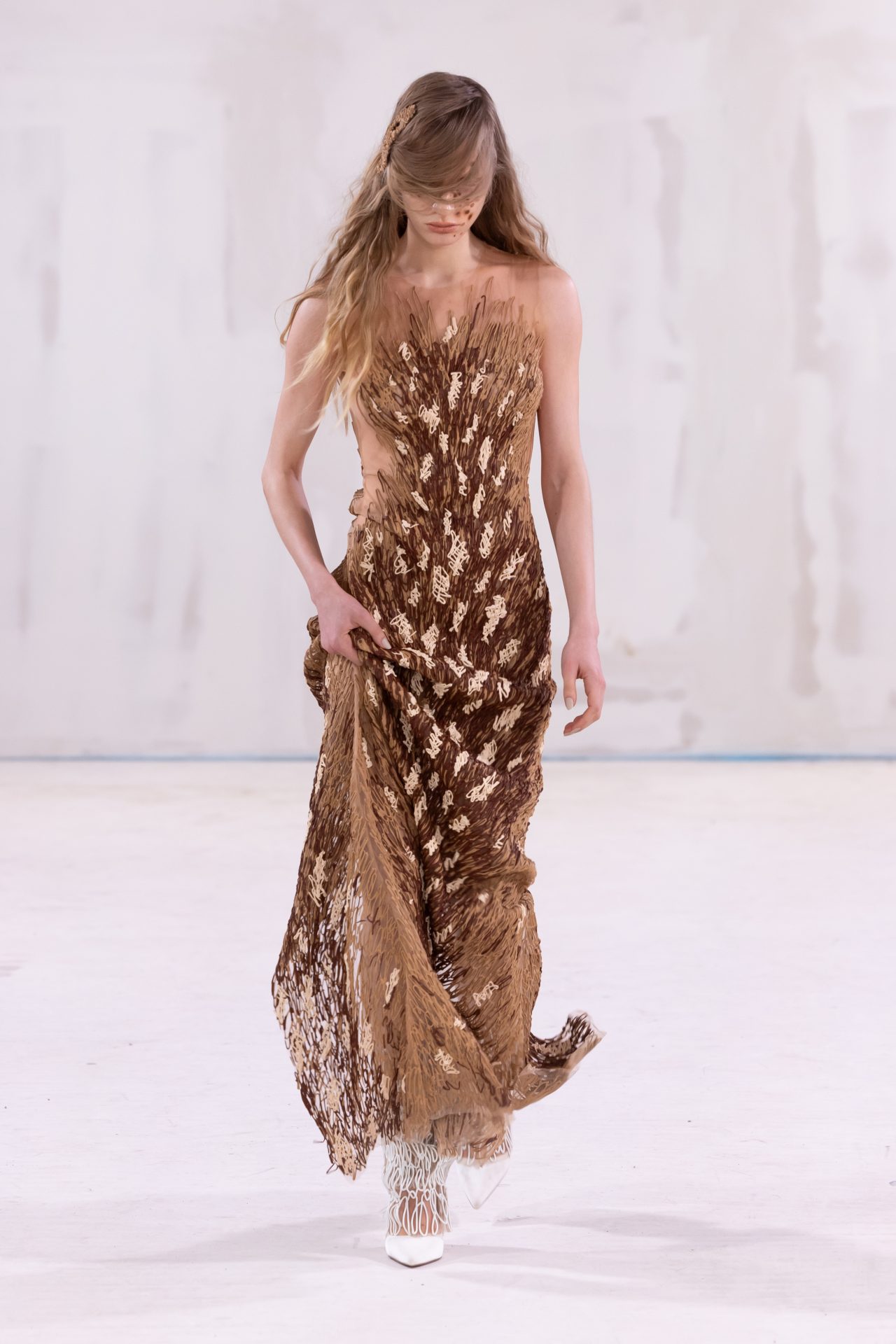
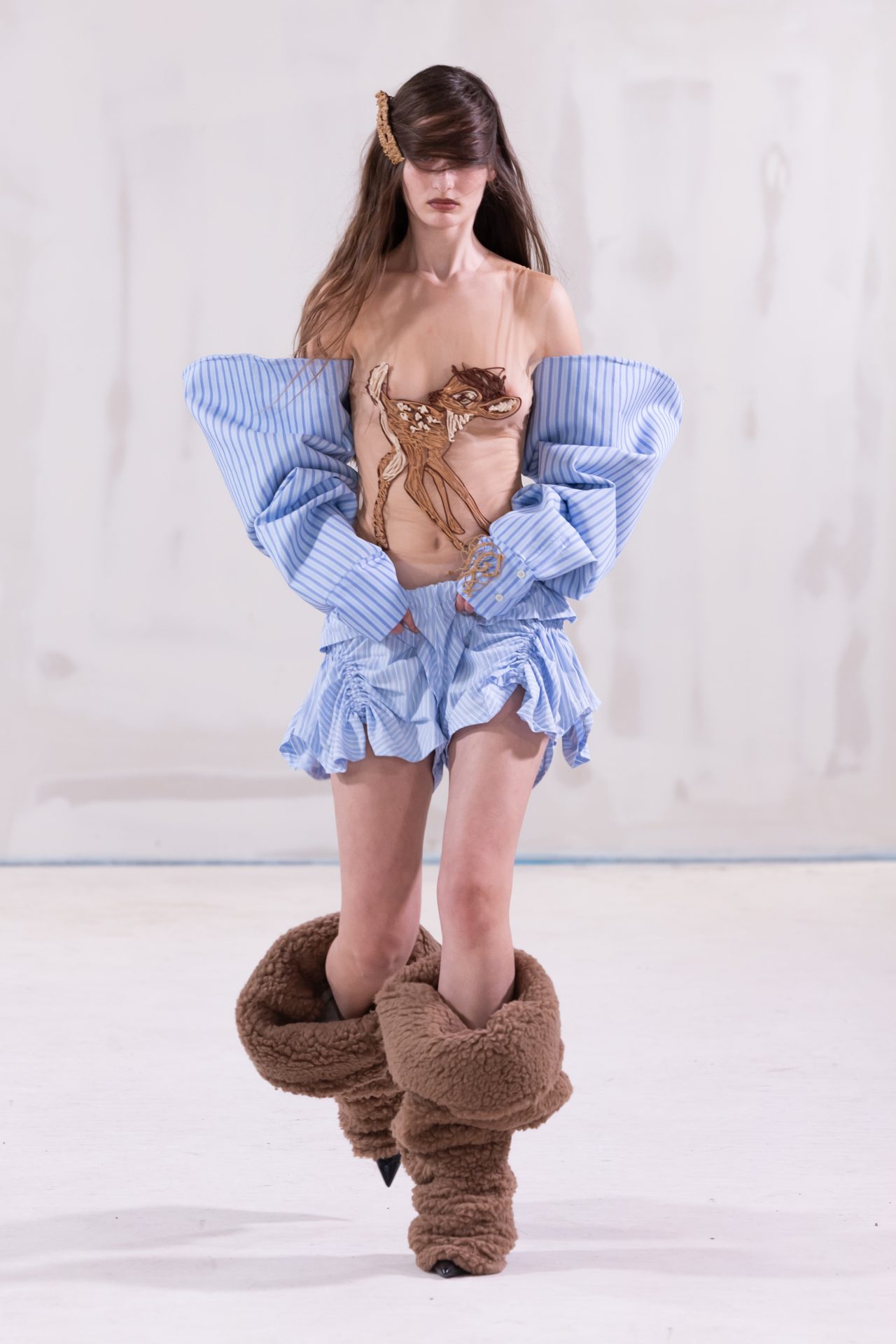
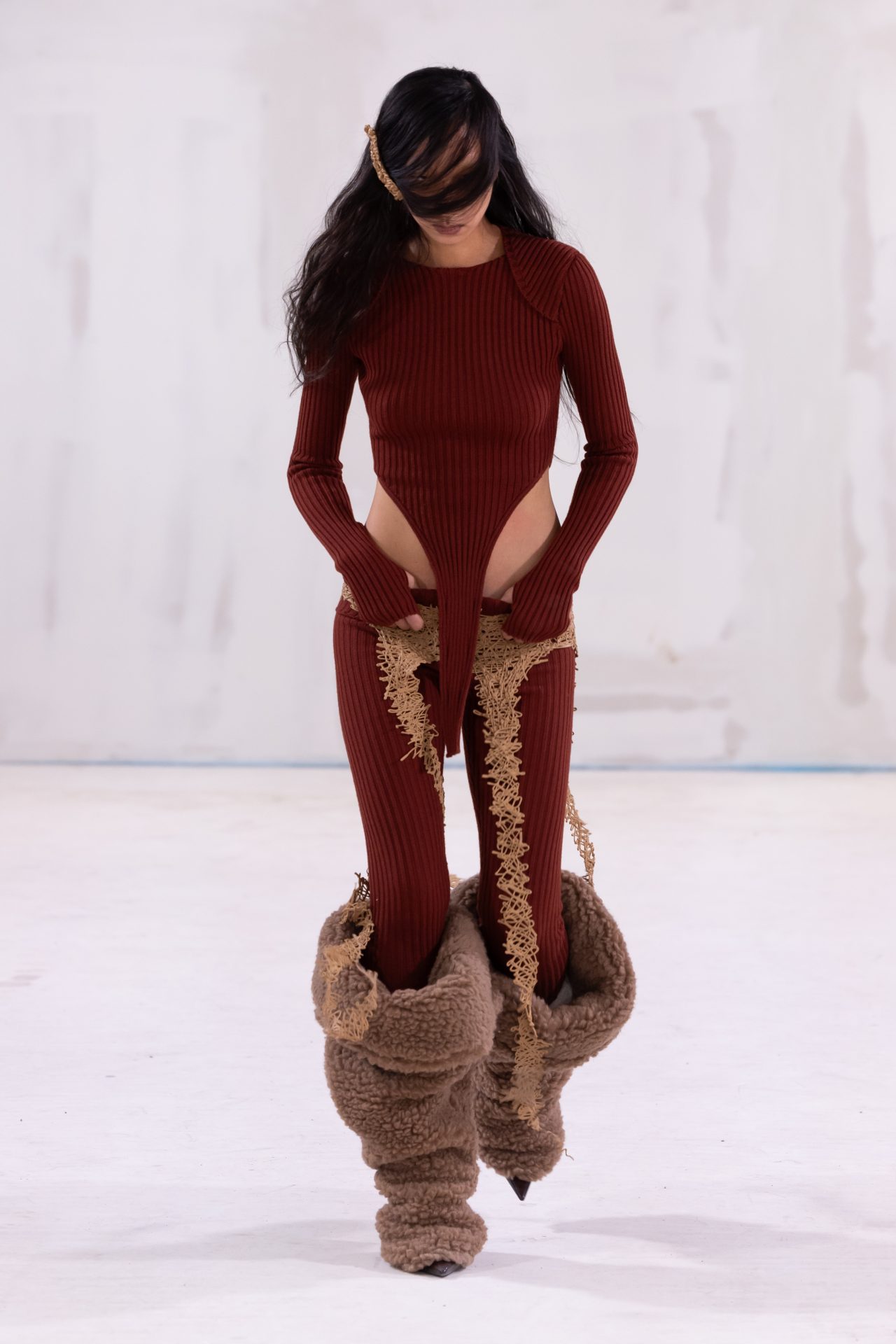
Trend Currents: Tailoring, Modularity, and Detail
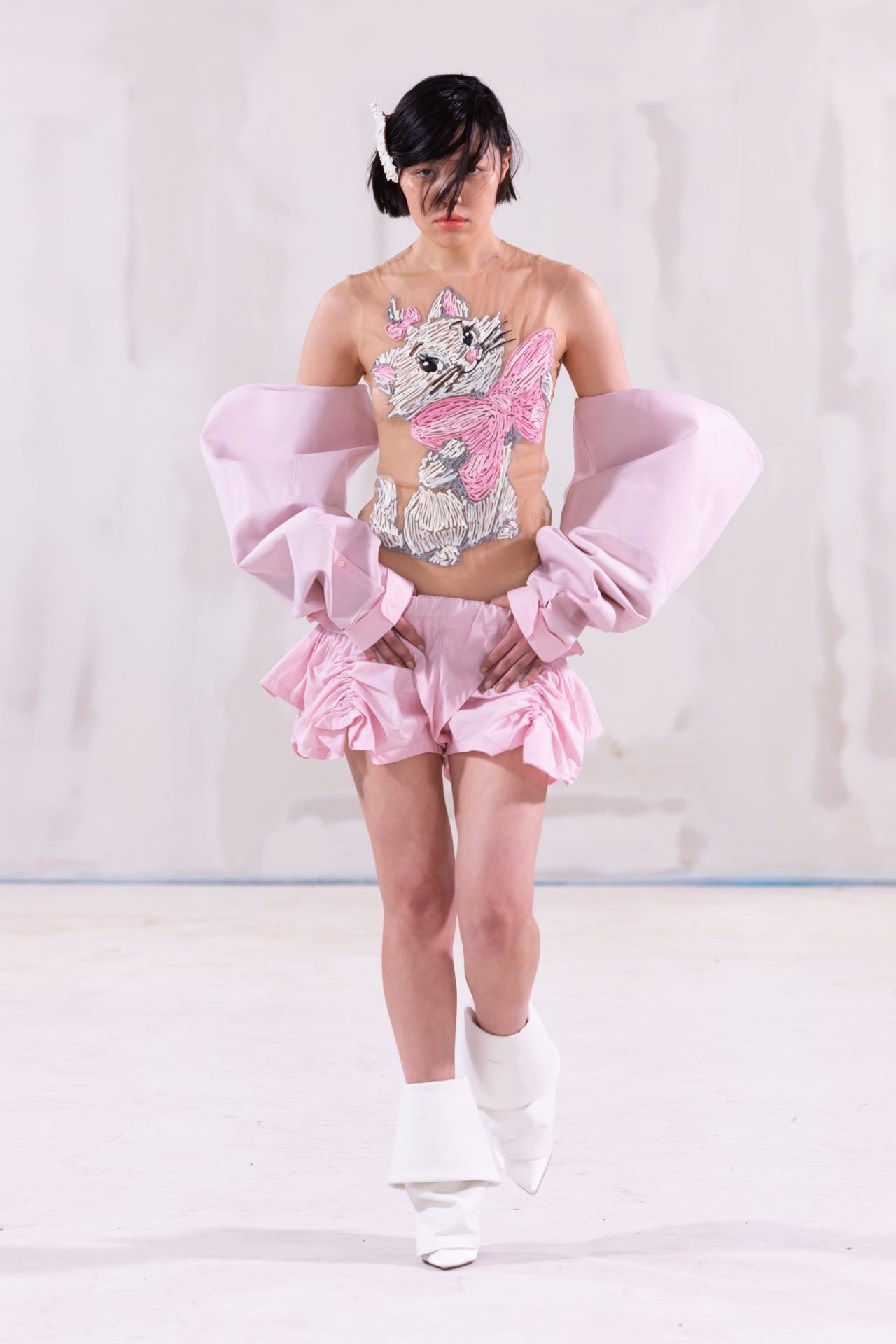
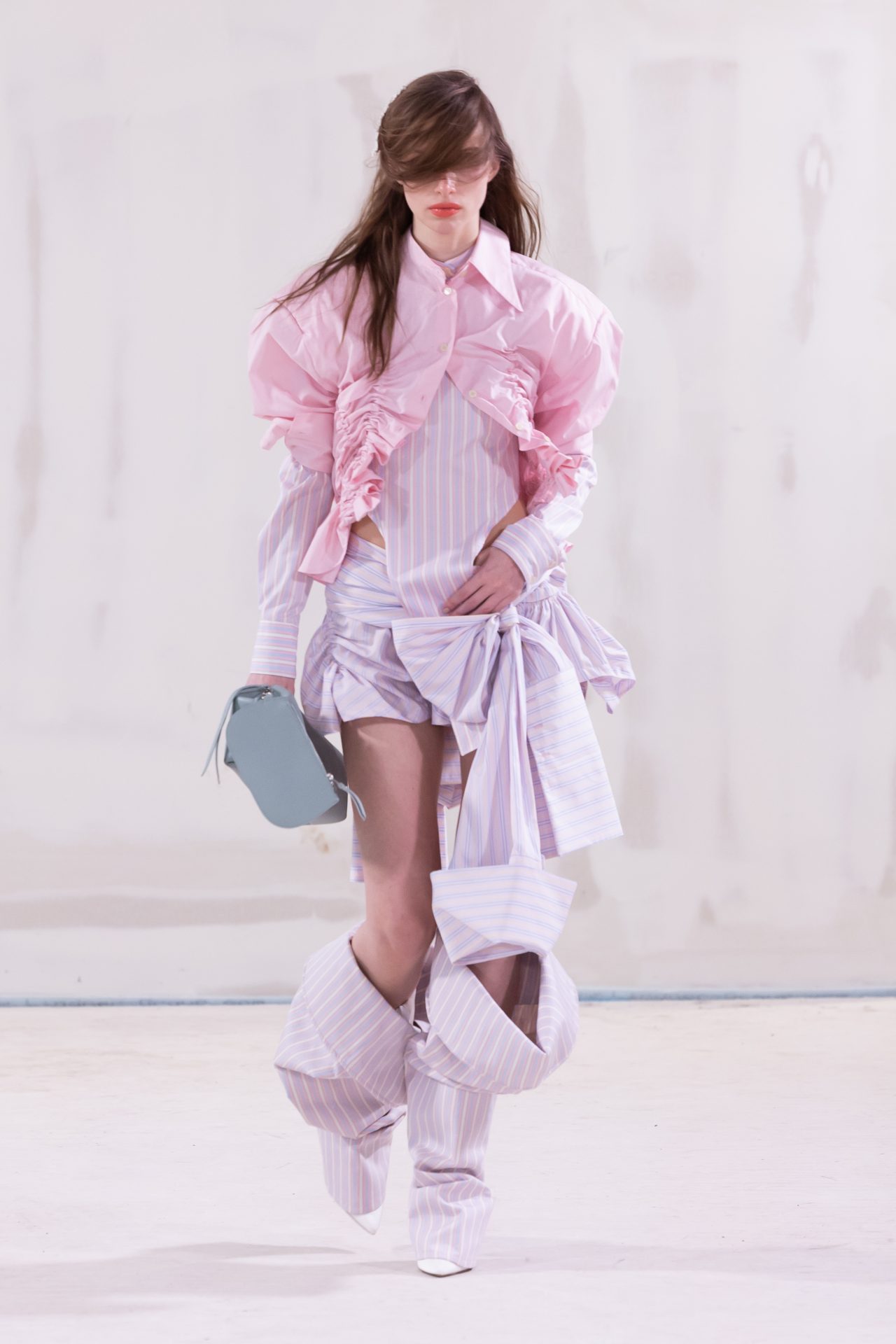
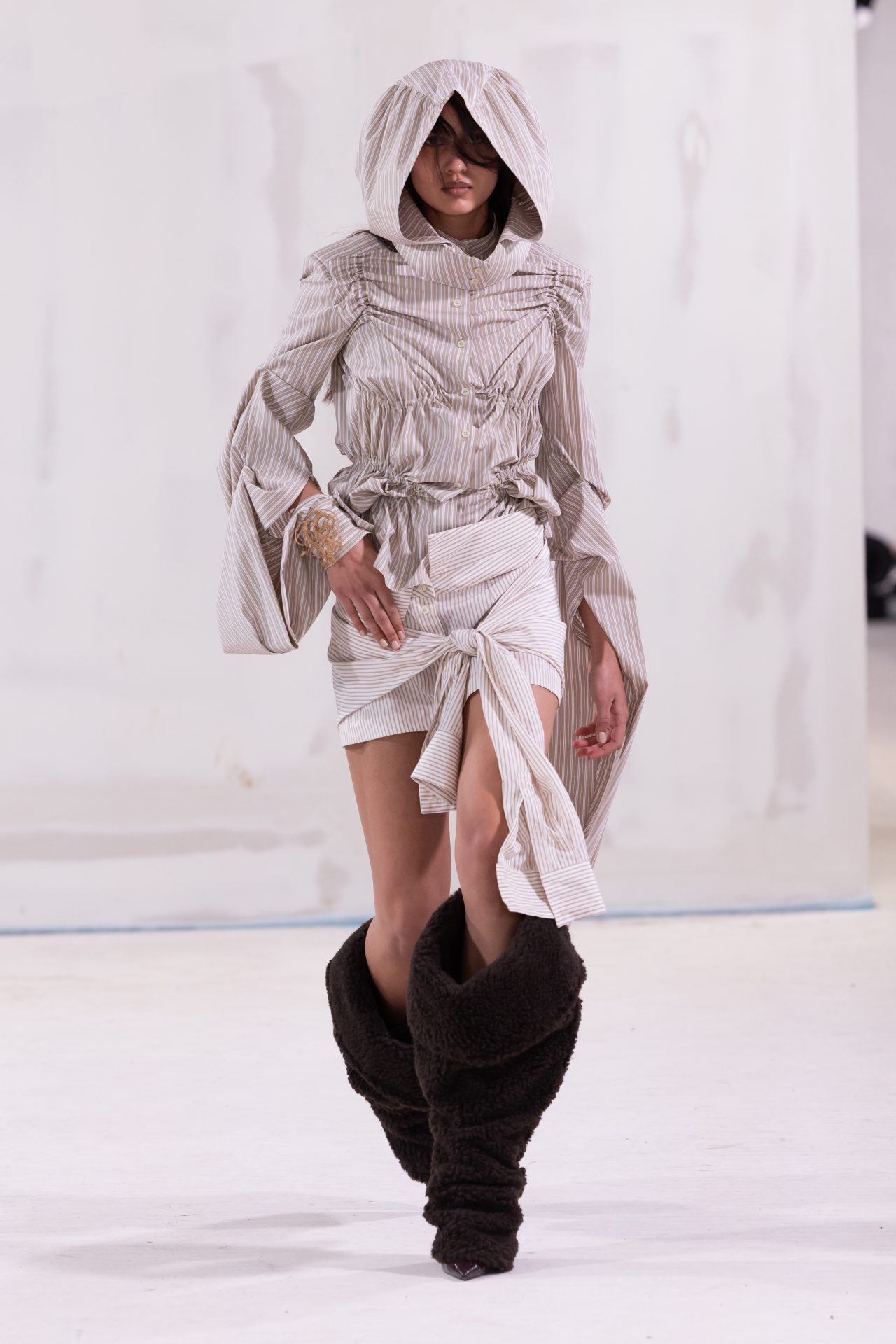
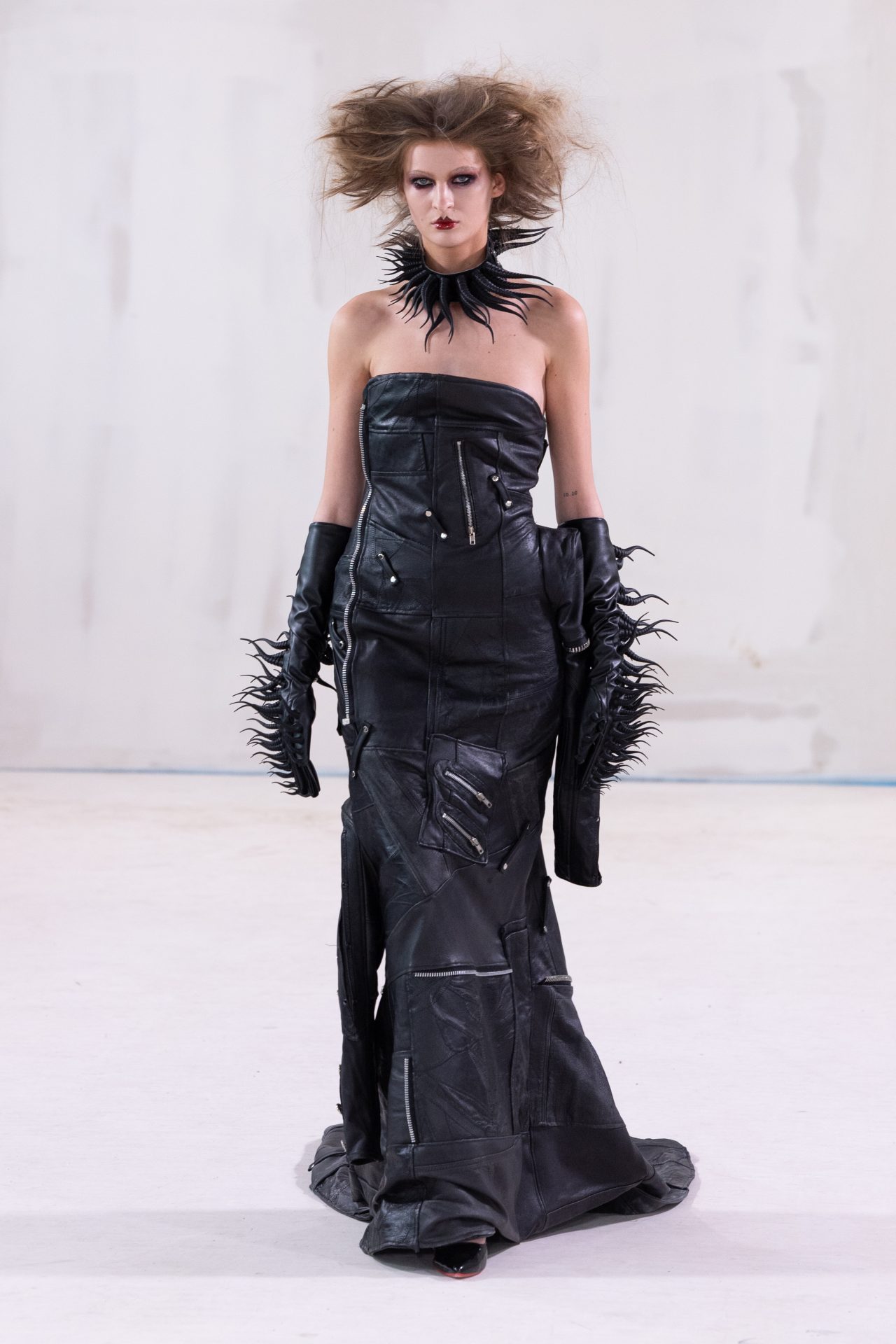
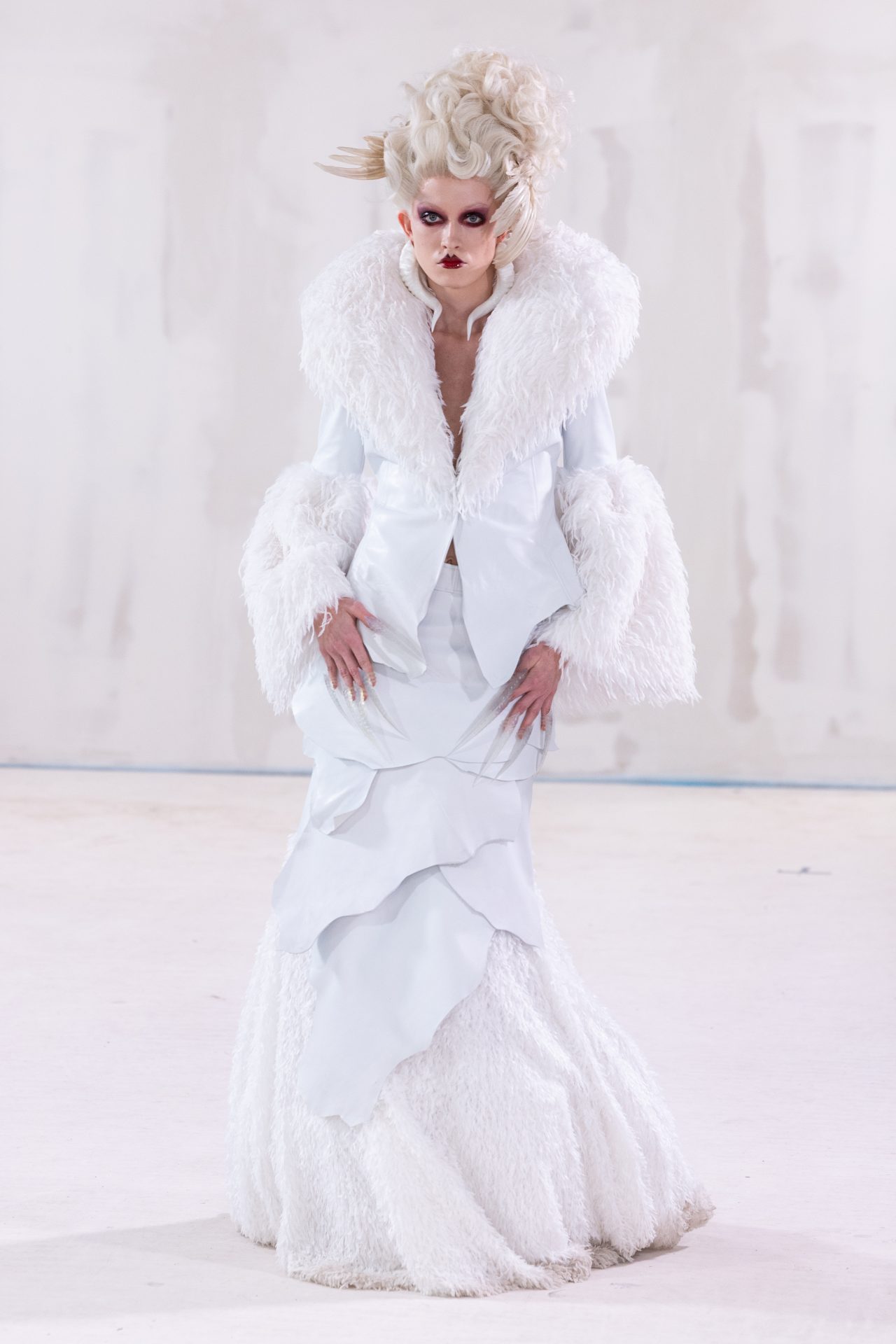
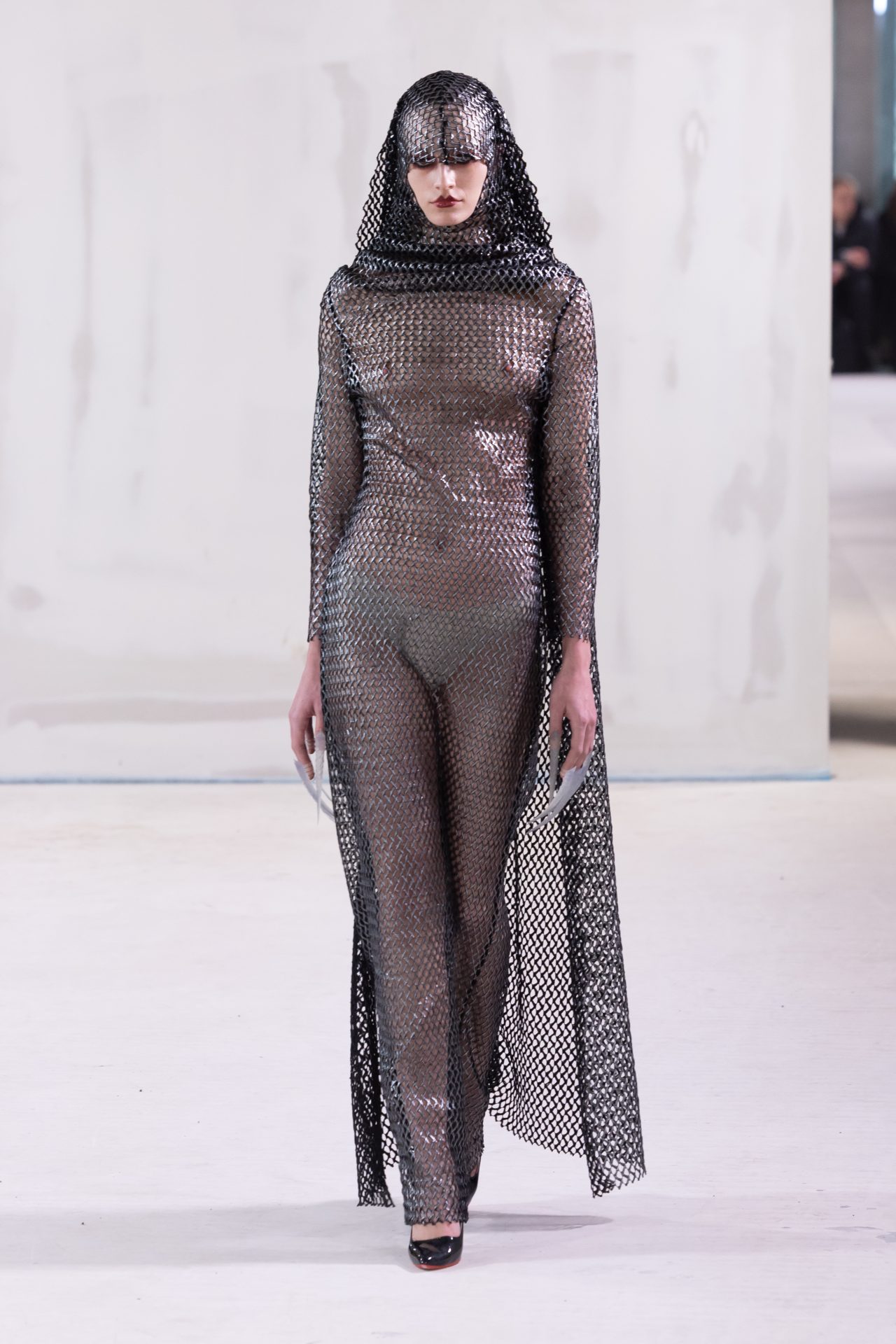
Across the collections, designers pursued nuanced and wearable innovations. Subversions of shirting and tailoring emerged as recurring motifs—from modular constructions that reimagine layering to intricate detailing that recontextualizes classic forms.
- Sharp tailoring juxtaposed with unexpected layers such as mesh and leather redefined foundational shapes.
- Modular pieces, especially from designers such as Kasia Kucharska, reflected a shift toward garments designed for adaptability in daily life.
- Details such as beading and fringe provided textural richness and movement, drawing connections to broader trends seen across other major fashion weeks.
This season’s design aesthetic balanced pragmatism with experimentation, reflecting both Berlin’s cultural roots and its emergent global identity.
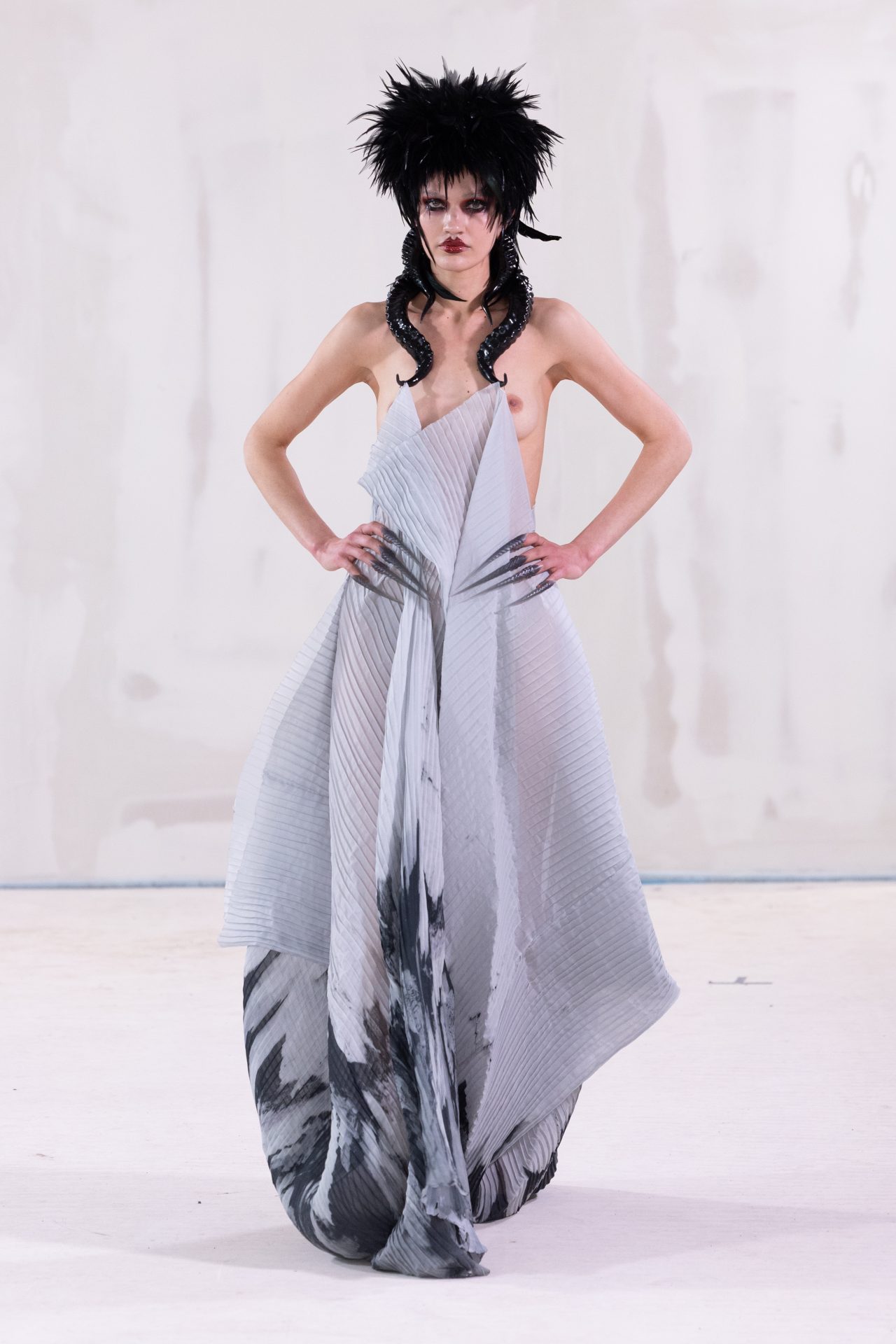
Identity, Society, and Visual Culture in Fashion Discourse
Social and cultural consciousness remained integral to Berlin’s fashion dialogue. Designers channeled reflections on identity, privacy, and political context into their work without turning collections into spectacle. Their commentary was embedded in silhouettes, materials, and narratives, from explorations of digital visibility to interrogations of conformity and visibility in contemporary society.
أسبوع الموضة في برلين continues to stand as a forum where fashion intersects with broader societal themes, advancing conversations about freedom, inclusion, and creative expression. These values persist as defining threads in the capital’s الموضة discourse.


أسبوع الموضة في برلين Fall/Winter 2026 reaffirmed the city’s emergence as a dynamic, multifaceted fashion hub, one that marries commercial ambition with cultural nuance and local ingenuity with global relevance.
Images Courtesy of Berlin Fashion Week
وفي أخبار أخرى متعلقة بعروض الأزياء،, أبرز عروض أسبوع الموضة في كوبنهاغن لخريف وشتاء 2026